Most adults in the U.S. consume only about half the recommended daily fiber intake, which can negatively impact digestive health and increase the risk of chronic diseases . Dietary fiber, found mainly in plant-based foods, plays a crucial role in maintaining regular bowel movements and overall gut health by influencing stool consistency and intestinal transit time . Increasing fiber intake gradually with adequate hydration supports digestive wellness and may reduce risks for conditions such as constipation, cardiovascular disease, and colorectal cancer .
Illness anxiety disorder (IAD), also known as hypochondria, is a chronic mental health condition marked by excessive worry about having or developing a serious illness despite little or no physical symptoms . This disorder often begins in early adulthood and affects men and women equally . Without treatment, IAD tends to persist and can significantly disrupt daily life, but effective therapies such as cognitive behavioral therapy (CBT) can help reduce symptoms and improve functioning .
Menopause is a natural biological transition experienced by all women, typically occurring around the age of 51 . This phase is marked by a decline in estrogen and progesterone levels, which leads to symptoms such as hot flashes, mood changes, sleep disturbances, and genitourinary complaints . These hormonal changes also increase the risk of chronic conditions including cardiovascular disease, osteoporosis, and cognitive decline . Effective management of menopause symptoms and associated health risks requires a combination of medical treatments, therapies, lifestyle changes, and complementary approaches tailored to individual needs .
Coronary artery disease (CAD) remains the leading cause of death worldwide, affecting millions and requiring ongoing management to prevent complications such as heart attacks and heart failure . Effective management combines medical treatment with lifestyle changes that focus on diet, physical activity, and other self-care practices to reduce risk factors and improve quality of life . Adopting heart-healthy habits can significantly lower the risk of further cardiovascular events and support long-term heart health .
Acne scarring affects up to 95 percent of people who experience acne vulgaris, often leaving lasting marks that impact self-esteem and quality of life . These scars form as a natural response to skin injury during acne outbreaks, and their appearance varies widely depending on the scar type and severity . While some scars may improve over time, many require targeted treatments to reduce their visibility and restore skin texture .
Skin cancer is the most commonly diagnosed cancer in the United States, with ultraviolet (UV) radiation from the sun being the leading cause . Protecting the skin from UV rays is essential to reduce the risk of skin damage, premature aging, and skin cancer . Sunscreens and sunblocks are two types of topical products designed to shield the skin from harmful UV radiation, but they work in different ways and have distinct characteristics .
Cervical cancer is the fourth most common cancer affecting women worldwide, with over 600,000 new cases diagnosed annually and approximately 350,000 deaths each year . The risk of cervical cancer remains significant beyond young adulthood, with incidence peaking in women over 30 years old and the median age at diagnosis being 50 years . Despite advances in prevention and screening, cervical cancer screening rates have declined in recent years and have not fully rebounded after the COVID-19 pandemic, underscoring the need for continued public health efforts . Human papillomavirus (HPV) infection is the primary cause of cervical cancer, making vaccination and regular screening essential tools in reducing disease burden .
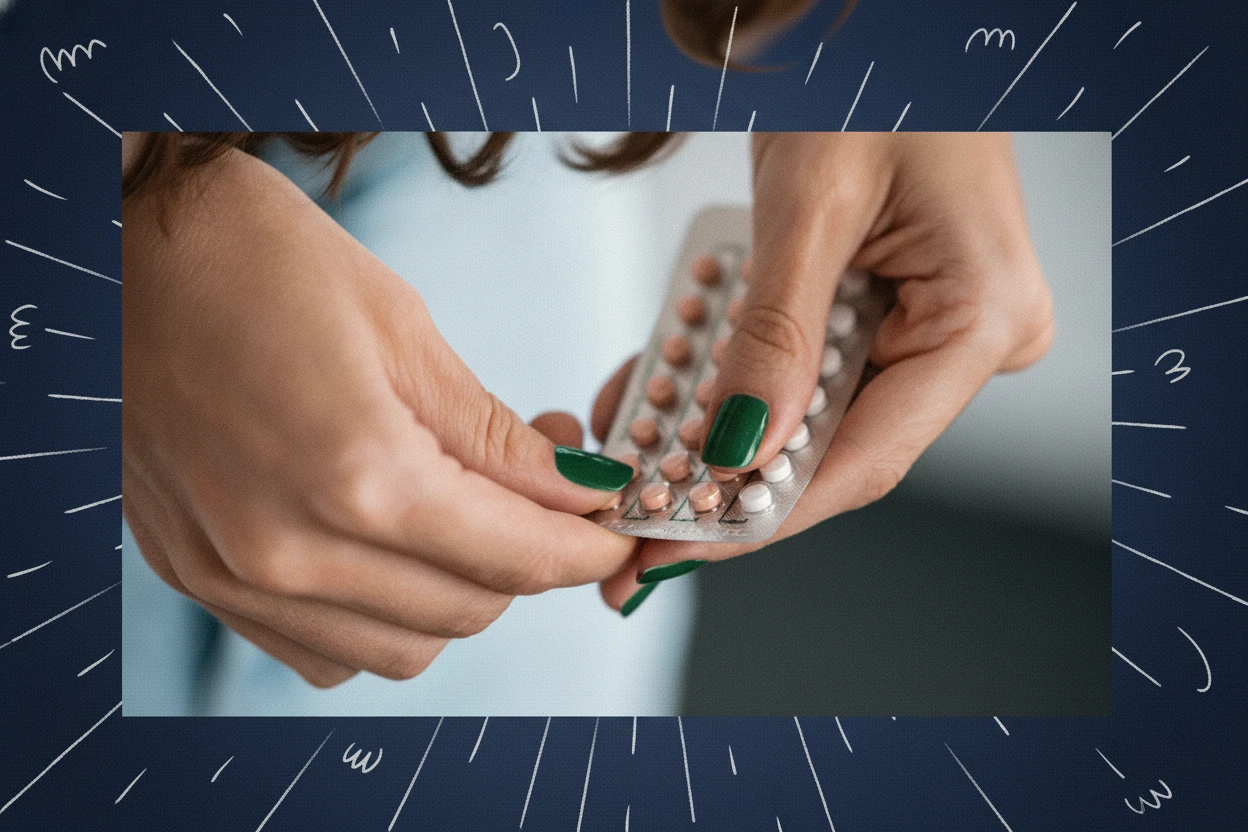
Birth control is used by millions worldwide to prevent pregnancy and manage various health conditions. Research shows that long-term use of hormonal contraceptives is generally safe and does not cause lasting fertility problems . However, factors like age and contraceptive type can influence how quickly fertility returns after stopping birth control . Understanding these effects helps individuals make informed decisions about contraception and family planning.
Yoni eggs are egg-shaped stones designed for vaginal insertion, often made from materials like jade, quartz, or obsidian . They are marketed with claims of balancing menstrual cycles, enhancing libido, easing cramps, and strengthening vaginal muscles, but none of these benefits are supported by scientific evidence . Despite their popularity, medical experts warn that using yoni eggs can pose significant health risks, including infections and pelvic muscle strain . This article explores the origins, purported benefits, safety concerns of yoni eggs, and safer alternatives for vaginal health .
Narcolepsy is a chronic neurological disorder marked by excessive daytime sleepiness and sudden muscle weakness known as cataplexy . It affects daily functioning and safety, increasing risks such as car accidents due to uncontrollable sleep attacks . While there is no cure, a combination of medications and lifestyle changes can help manage symptoms and improve quality of life . Understanding diagnosis and treatment options is essential for effective care.
Obsessive-Compulsive Disorder (OCD) affects about 1 to 3 percent of the population and often begins in childhood, adolescence, or early adulthood . It is characterized by persistent, unwanted thoughts and repetitive behaviors that interfere with daily life and cause significant distress . Understanding the signs and symptoms of OCD is crucial for early diagnosis and effective treatment, which can greatly improve quality of life .
Attention-deficit/hyperactivity disorder (ADHD) affects millions of children worldwide, with symptoms persisting into adulthood in about 60% of cases . Medication holidays, or planned breaks from ADHD medication, have been used to manage side effects and assess ongoing treatment needs, especially during school vacations . However, recent evidence suggests that these breaks may have both benefits and risks that require careful consideration and professional guidance .
Bipolar disorder is a chronic mental health condition marked by significant shifts in mood, energy, and behavior that can disrupt daily life . It affects approximately 1% of the global population with bipolar I and 2–3% with bipolar II, often beginning in late adolescence or early adulthood . These mood changes range from manic highs to depressive lows and can impair occupational, social, and familial functioning . Understanding the symptoms and signs of bipolar disorder is crucial for early diagnosis and effective management .
Bipolar 2 disorder (BD-II) affects millions worldwide and is characterized by recurring episodes of depression and hypomania without full manic episodes . This condition often begins in the teenage years or early adulthood and requires ongoing management to maintain mood stability and improve quality of life . Understanding the symptoms and adopting effective treatment and daily management strategies can help individuals lead fulfilling lives despite the challenges of BD-II .