Birth trauma affects a significant number of birthing people, with estimates showing that between 25% and 34% report their births as traumatic experiences1 . This trauma can have profound and lasting impacts on mental health, family relationships, and overall wellbeing2 . Understanding the types, long-term effects, and coping strategies for birth trauma is essential for improving maternal care and outcomes3 .
Types of Birth Trauma
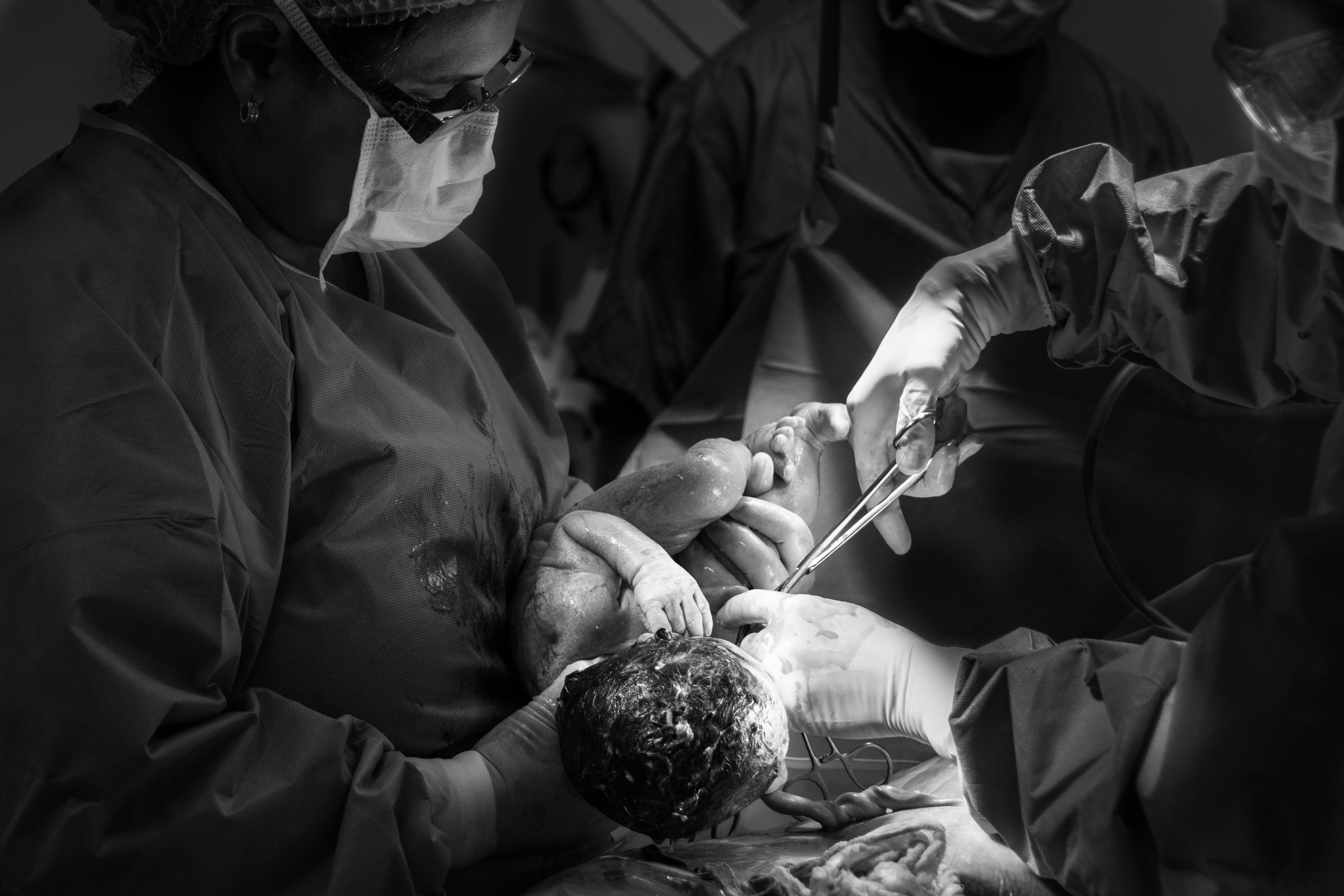
Birth trauma includes both physical and emotional components that arise before, during, or after childbirth. Physical birth trauma often involves complications such as emergency cesarean sections, hemorrhaging, placental abruption, and other severe obstetric emergencies4 5. These events can cause immediate physical harm and contribute to psychological distress.
Emotional birth trauma arises from experiences during labor and delivery that leave the birthing person feeling unsupported, unheard, or unsafe. This can include inadequate pain management, feeling coerced into medical decisions, or experiencing disrespectful care from healthcare providers6 7. The infant's health status, such as stillbirth, premature birth, or neonatal complications requiring intensive care, also significantly contributes to maternal trauma3 8.
Risk factors increasing the likelihood of birth trauma include emergency interventions, lack of social or professional support during labor, and a history of prior trauma or mental health conditions4 5. Psychological birth trauma is highly subjective, as the perception of trauma depends on the individual's experience and feelings during childbirth6 7.
- Emergency cesarean sections and instrumental vaginal deliveries are common physical causes of birth trauma9 .
- Emotional trauma can result from overwhelming pain or denial of pain relief during labor6 .
- Separation from the infant due to NICU admission or infant medical complications increases maternal distress3 .
- Poor communication and lack of agency during birth contribute to feelings of loss of control and trauma10 .
- Prior trauma, including childhood abuse, raises vulnerability to experiencing birth trauma11 .
Long-Term Effects of Birth Trauma
Birth trauma can have enduring consequences that affect mental health, family dynamics, and maternal-infant bonding. The psychological impact often manifests as post-traumatic stress disorder (PTSD) or post-traumatic stress symptoms (PTS), with prevalence estimates for birth-related PTSD ranging between 3% and 17% depending on the population and assessment methods10 1213.
Studies indicate that approximately 9% to 50% of women report experiencing traumatic birth events, reflecting variability in definitions and populations studied4 14. Acute postpartum PTSD rates are estimated between 4.6% and 6.3%, but underreporting and lack of diagnosis suggest that true rates may be higher12 15. Additionally, about one in three birthing people report feeling traumatized by their childbirth experience9 .
Risk factors for developing birth-related PTSD include emergency interventions, lack of support during labor, prior mental health disorders, and previous traumatic experiences such as childhood abuse4 16. Women of color are disproportionately affected due to higher rates of obstetric complications and systemic inequities in care17 5.
Revisiting Past Trauma
Birth trauma can reactivate earlier psychological trauma, such as sexual abuse or other adverse childhood experiences, intensifying distress during and after childbirth18 11. This reactivation complicates recovery and increases the risk of postpartum PTSD16 . Denial or minimization of trauma prolongs psychological distress and delays healing10 19.
Persistent trauma symptoms include intrusive memories, flashbacks, hypervigilance, anxiety, panic attacks, emotional numbness, and avoidance of reminders related to childbirth20 21. These symptoms can disrupt maternal-infant bonding, impair social relationships, and negatively affect family dynamics2 22.
- Intrusive symptoms such as flashbacks and nightmares are common in birth-related PTSD20 .
- Avoidance behaviors may include steering clear of hospitals, pregnant women, or even the infant9 .
- Hypervigilance and anxiety about the infant’s health are frequent, especially when the baby required NICU care3 .
- Trauma can lead to social isolation and relationship difficulties23 22.
- Untreated trauma increases the risk of postpartum depression and suicidal thoughts9 .
“It is the birthing person's subjective experience of being traumatized that is the starting point for healing interventions.”
— Leslie Butterfield, PhD9
Coping With Birth Trauma
Effective coping with birth trauma involves timely recognition, psychological treatment, and strong social support. Recovery is a highly individual process that requires addressing both the emotional and physical aftermath of traumatic childbirth.
Therapy
Psychological therapies such as trauma-focused cognitive behavioral therapy (CBT), eye movement desensitization and reprocessing (EMDR), and exposure therapy are recommended treatments for birth-related PTSD24 2526. Early intervention during the postpartum period can reduce the severity of symptoms and prevent the development of chronic PTSD26 .
Therapeutic approaches often include emotional processing and grieving the traumatic event, which are essential steps toward healing10 2. Counseling sessions focused on birth experiences have shown benefits in reducing PTSD symptoms and improving mental health outcomes26 . However, some women with severe trauma may require more intensive or prolonged therapy26 .
- Trauma-focused CBT helps reframe negative thoughts and reduce fear responses25 .
- EMDR facilitates reprocessing of traumatic memories and has demonstrated effectiveness in birth trauma24 .
- Early postpartum counseling can improve maternal mental health and mother-infant bonding26 .
- Avoidance of trauma acknowledgment is linked to worse psychological outcomes10 .
- Therapy uptake is critical during postpartum care to ensure recovery26 .
Strong Support Team
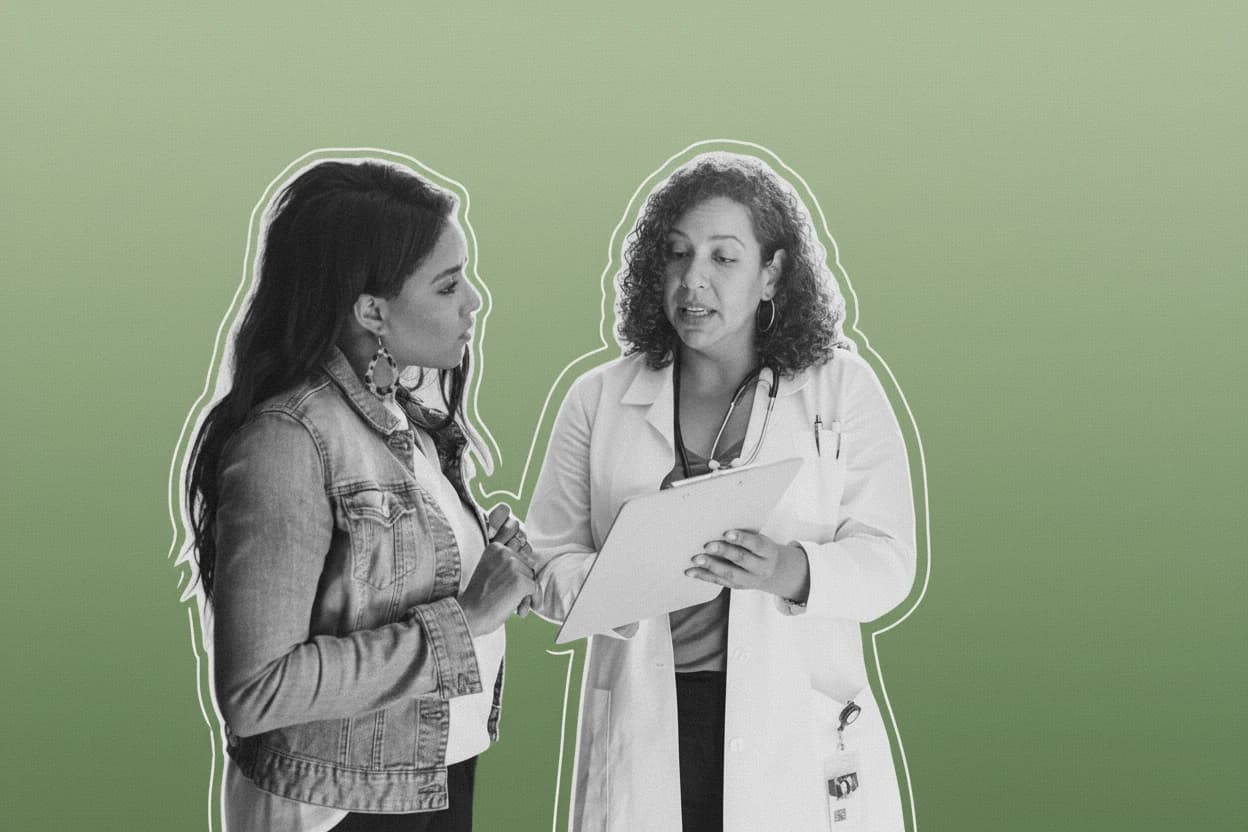
Women often feel ignored or dismissed during childbirth, which can deepen trauma. Providers must pause & listen, recognizing the patient as the expert on their own body. 29
Social support from healthcare professionals, family, and peers plays a crucial role in recovery from birth trauma3 20. Practical assistance with infant care reduces caregiver burden and allows the mother to focus on emotional healing3 . Support groups and trauma-informed doulas can provide understanding and validation, which are vital for healing1 .
Healthcare providers are encouraged to listen attentively and validate the birthing person's experience, as this fosters trust and facilitates recovery27 . Creating safe spaces for open conversations about birth trauma reduces stigma and encourages women to seek help6 7.
- Professional support includes trauma-informed mental health providers and postpartum care teams1 .
- Family and peer support help reduce isolation and provide emotional comfort3 .
- Practical help with infant care enables mothers to prioritize self-care3 .
- Support groups offer shared experiences and reduce feelings of being alone1 .
- Listening and validating experiences by healthcare providers improve therapeutic relationships27 .
Birth trauma recovery is strengthened by early psychological intervention and a supportive social network. Timely therapy combined with practical and emotional support can prevent chronic PTSD and promote posttraumatic growth. 262
Talking About Birth Trauma
Open discussion about birth trauma is essential for healing and reducing stigma. Increased public discourse and social media advocacy have helped normalize these experiences and encourage more women to share their stories14 6. Community acknowledgment validates the emotional impact of traumatic births and fosters collective support7 .
The United States faces a maternal health crisis with high maternal mortality rates, disproportionately affecting women of color who also experience higher rates of birth trauma5 17. Addressing systemic inequities and improving communication in maternity care are critical to reducing trauma incidence23 28.
Healthcare providers are urged to create safe, respectful environments where patients feel heard and empowered to discuss their birth experiences27 . Honest conversations about the realities of childbirth challenges help dismantle myths and promote mental health awareness7 .
- Social media platforms have increased visibility and advocacy for birth trauma7 .
- Community support reduces stigma and encourages help-seeking behavior6 .
- High maternal mortality rates highlight the need for improved childbirth care5 .
- Open dialogue fosters understanding and validates women's experiences7 .
- Providers should prioritize respectful communication and patient autonomy23 .