Anxiety disorders affect millions of adults worldwide, making them one of the most common mental health challenges1 . Diet plays a crucial role in managing anxiety by influencing brain chemistry, mood regulation, and stress response2 . Consuming nutrient-dense foods rich in vitamins, minerals, antioxidants, and healthy fats can support mental well-being and reduce anxiety symptoms3 4.
Avocados for Anxiety Relief
Avocados are a rich source of B vitamins, which are essential for nervous system function and have been linked to reduced symptoms of stress and anxiety3 4. These vitamins support the production of neurotransmitters such as serotonin and dopamine, which regulate mood and anxiety levels4 5. Additionally, avocados contain magnesium, a mineral known to regulate cortisol (the stress hormone) and balance neurotransmitters, potentially reducing anxiety4 67.
“Avocados are high in magnesium, which can help reduce anxiety by regulating cortisol and balancing neurotransmitters.”
— Julia Zumpano, Cleveland Clinic7
Maintaining hydration is also important, and avocados contribute to this by supporting optimal brain metabolism and neurotransmitter function, which may mitigate anxiety symptoms8 4.
Blueberries and Mental Wellness
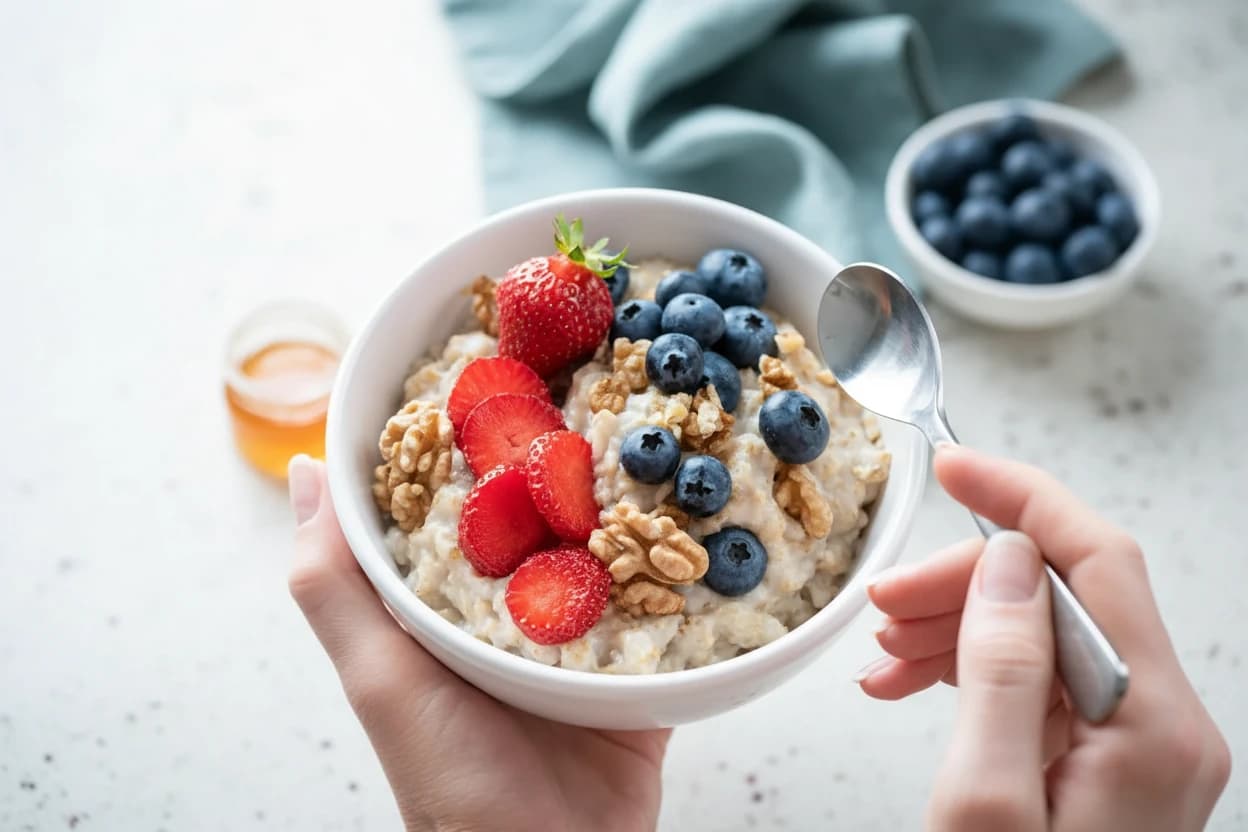
Blueberries are rich in antioxidants, which help delay and prevent cell damage caused by oxidative stress3 9. Dietary antioxidants have been associated with reduced anxiety and depressive symptoms in clinical studies3 9. Consuming blueberries as part of a nutrient-rich diet can support brain health and improve mood3 9.
Conversely, dietary patterns high in sugar, saturated fats, and processed foods are linked to increased inflammation and dysregulation of the gut-brain axis, contributing to anxiety and mood disorders10 11. Limiting these unhealthy foods is recommended to reduce anxiety severity10 11.
Calcium-Rich Foods for Calmness
Higher calcium intake has been linked to reduced stress and anxiety symptoms, particularly in young adults12 13. Calcium supports nervous system regulation, which can help alleviate anxiety12 14. Primary dietary sources of calcium include dairy products and leafy greens, both of which correlate with lower anxiety and greater resilience in observational studies12 1314.
Eggs for Mood Regulation
Eggs are an excellent source of tryptophan, an amino acid that supports serotonin synthesis, influencing mood and anxiety regulation3 415. They also provide vitamin D, which supports brain health and mood regulation; low vitamin D levels have been associated with increased anxiety symptoms3 515. Eggs contain protein and vitamins B12 and B7, which are important for minimizing anxiety symptoms7 .
Leafy Greens Benefits
Leafy greens such as spinach and Swiss chard are rich in magnesium, a mineral linked to reduced anxiety and improved mood4 67. Magnesium supports nervous system function and helps regulate stress hormones4 6. Higher vegetable intake, including leafy greens, is associated with improved mood and reduced anxiety, although the directionality between mood improvement and healthy eating requires further research16 14.
Nuts and Seeds for Anxiety
Nuts and seeds provide important micronutrients that support mental health. Cashews and oysters are rich sources of zinc, a mineral associated with lowered anxiety symptoms3 6. Magnesium-rich seeds like chia and pumpkin also support nervous system function and may reduce anxiety4 6. Including these foods in the diet can contribute to better anxiety management.
Oranges and Vitamin C
Oranges are a rich source of vitamin C, which supports antioxidant defenses and helps reduce cortisol levels, the hormone elevated during stress and anxiety3 9. Vitamin C supplementation has been linked to improved mood and lower anxiety symptoms3 9. Consuming vitamin C-rich fruits like oranges can therefore help calm the nervous system.
Oysters for Zinc Intake
Oysters are the richest dietary source of zinc, providing nearly three times the daily requirement in a three-ounce serving3 6. Zinc is essential for brain function and helps the body cope with stress3 6. Including oysters and other zinc-rich foods like cashews, liver, beef, and egg yolks in the diet may help reduce anxiety symptoms3 617.
Salmon and Omega-3s
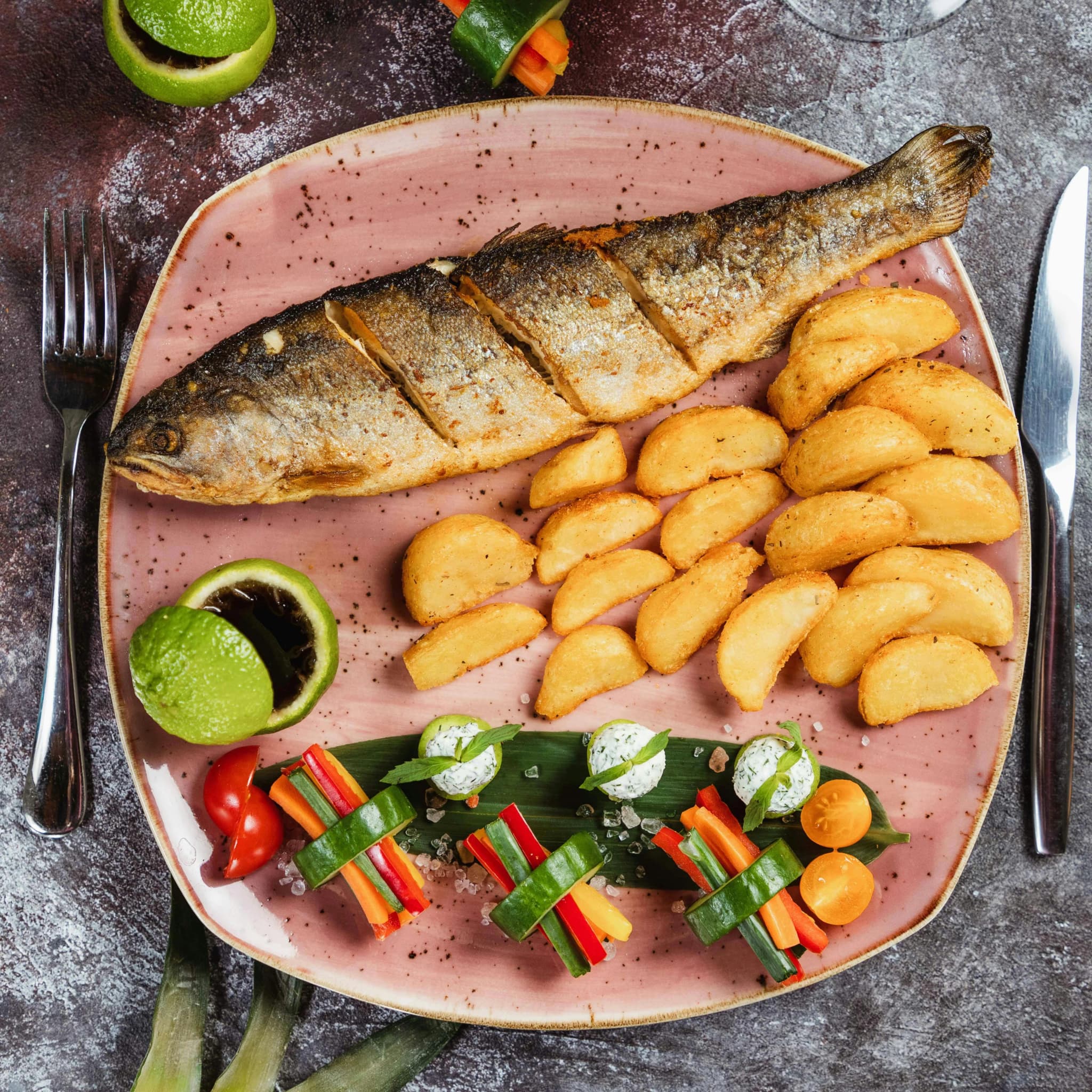
Salmon is a solid source of omega-3 fatty acids EPA and DHA, which reduce inflammation and stress hormone levels associated with anxiety and depression4 57. Omega-3 supplementation has been shown to lower cortisol and improve anxiety symptoms4 5. Salmon also provides vitamin D, magnesium, protein, and vitamin B12, maximizing its benefits for anxiety relief7 .
“You're not just getting one benefit out of salmon. You're getting multiple forms of nutrients that can help when it comes to anxiety. You're really maximizing one food item.”
— Julia Zumpano, Cleveland Clinic7
Turkey Breast Benefits
Turkey breast contains tryptophan, an amino acid that supports serotonin synthesis, which influences mood and anxiety regulation3 4. Clinical trials have linked tryptophan supplementation to reduced anxiety and depressive symptoms3 4. Including turkey breast in the diet may therefore promote a calming effect through enhanced neurotransmitter production.
Chamomile Tea for Relaxation
Chamomile tea consumption is associated with reduced anxiety symptoms3 4. The flavonoids in chamomile contribute to its anxiolytic (anxiety-reducing) effects by lowering inflammation and oxidative stress3 4. Clinical evidence supports chamomile's efficacy in reducing symptoms of generalized anxiety disorder (GAD) with prolonged use3 4.
Fruit Juice Considerations
100% fruit juices provide antioxidants and vitamins that may support mental health and reduce anxiety3 9. Large-scale observational data suggest that regular consumption of 100% fruit juice is linked to lower anxiety prevalence3 9. However, it is important to choose juices without added sugars to avoid negative effects associated with high sugar intake18 10.
Green Tea and Anxiety
Green tea contains the amino acid L-theanine, which promotes relaxation and reduces anxiety by modulating neurotransmitters such as GABA, dopamine, and serotonin3 915. L-theanine helps prevent nerves from becoming overexcited without causing drowsiness, supporting a calm mental state3 9.
Hydration with Water
Adequate hydration is essential for optimal cognitive function and may reduce anxiety symptoms3 4. Dehydration impairs brain metabolism and neurotransmitter function, potentially exacerbating anxiety8 4. Drinking enough water supports nutrient transport and energy metabolism in the brain, contributing to better mental well-being3 4.
💡 Did You Know?
Changing what you eat won't cure anxiety, but it may help. Eat a breakfast that includes protein to feel fuller longer and maintain steady blood sugar20 .
Foods and Drinks to Limit
Certain foods and drinks can worsen anxiety symptoms and should be limited or avoided:
- High-sugar and high-fat foods, which increase inflammation and disrupt the gut-brain axis, contributing to anxiety and mood disorders10 11.
- Energy drinks, which are associated with higher stress, anxiety, depression, sleep disturbances, and irritability21 .
- Alcohol, which can disrupt neurotransmitter balance, interfere with sleep, and increase anxiety2 17.
- Caffeine in excess, which can cause jitteriness, nervousness, and exacerbate anxiety symptoms2 20.
- Processed foods and trans fats, which negatively impact mood and anxiety10 2.
Summary of Key Points
“There's clear medical evidence that nutrition affects our emotional well-being and can reduce the risk of anxiety.”
— Melissa Young, Cleveland Clinic7
- Nutrient-dense foods rich in B vitamins, magnesium, zinc, omega-3 fatty acids, and antioxidants support anxiety reduction3 49.
- Avocados, blueberries, leafy greens, nuts, seeds, eggs, salmon, turkey breast, and oysters provide key nutrients for nervous system regulation and mood stabilization3 46.
- Chamomile tea and green tea contain compounds that promote relaxation and reduce anxiety through neurotransmitter modulation3 49.
- Adequate hydration is vital for brain function and anxiety management8 4.
- Limiting high-sugar, high-fat, caffeinated, alcoholic, and energy drink consumption helps prevent worsening anxiety symptoms10 1121.