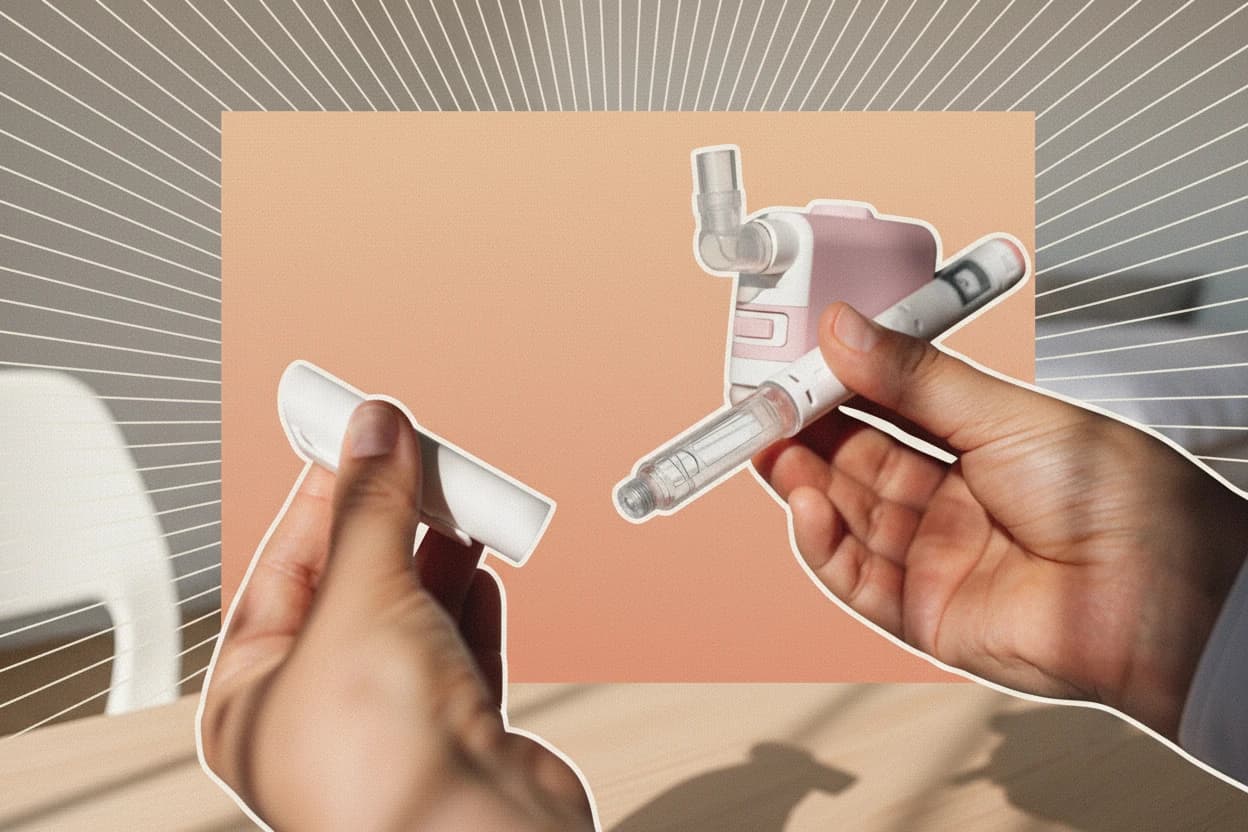
GLP-1 receptor agonists (GLP-1 RAs) are powerful medications that help manage blood sugar levels and promote weight loss by regulating appetite and slowing digestion1 . These drugs have been shown to improve cardiovascular risk factors and reduce obesity-related complications, making them a valuable tool in diabetes and obesity treatment2 3. However, combining GLP-1 therapy with mindful nutrition is essential to maximize benefits and minimize side effects such as nausea and constipation4 5.
Nutrition and GLP-1 Medication Effects
GLP-1 is a hormone secreted by intestinal L-cells in response to food intake, which enhances glucose-dependent insulin secretion and suppresses glucagon release, leading to improved blood sugar control1 6. The secretion of GLP-1 is influenced by the type of nutrients consumed and the composition of meals, with protein and calcium co-ingestion shown to stimulate GLP-1 release via specific gut receptors6 7. Whey protein, in particular, has demonstrated a significant increase in postprandial GLP-1 levels compared to typical mixed meals in people with type 2 diabetes8 .
GLP-1 receptor agonists mimic the effects of endogenous GLP-1 by enhancing insulin secretion, reducing glucagon, and delaying gastric emptying, which slows nutrient absorption and promotes satiety1 9. This combination helps reduce food intake and improve glycemic control1 . Nutrient sensing in the gut involves transporters and G-protein-coupled receptors on L-cells, which respond differently depending on meal composition6 . While fermentable fibers and unsaturated fats have shown potential to stimulate GLP-1 secretion in preclinical models, robust clinical evidence in humans is limited10 .
The slowing of gastric emptying by GLP-1 RAs can contribute to gastrointestinal side effects such as nausea, vomiting, and constipation, which may affect nutrient absorption and dietary intake11 12. Therefore, understanding how nutrition interacts with GLP-1 medications is crucial for optimizing therapy and patient adherence.
- GLP-1 secretion is triggered by nutrient sensing in the gut and influenced by meal composition6 .
- Whey protein-based meals significantly increase GLP-1 secretion and improve postprandial glucose in type 2 diabetes8 .
- Protein and calcium co-ingestion enhance GLP-1 release via gut receptors7 .
- Fermentable fibers and unsaturated fats may stimulate GLP-1 secretion, but human data are limited10 .
- GLP-1 RAs delay gastric emptying, promoting satiety but potentially causing gastrointestinal symptoms1 11.
“GLP-1 receptor agonists (GLP-1RAs) are known for their safety and efficacy due to their ability to act at the hypothalamus influencing hunger and fullness, and consequently reducing caloric intake.”
— Francesca Sottotetti, University of Pavia13
Importance of Diet with Weight Loss Drugs
While GLP-1 RAs are effective for weight loss and glycemic control, real-world data reveal that many patients do not meet their daily nutrient requirements, particularly for protein and micronutrients, during therapy14 15. This risk is heightened by common gastrointestinal side effects such as nausea, vomiting, and constipation, which can reduce appetite and impair nutrient absorption11 12. Expert consensus emphasizes the need for individualized nutrition plans and regular monitoring to prevent deficiencies and optimize treatment outcomes16 12.
GLP-1 RAs work by enhancing insulin secretion, suppressing glucagon, delaying gastric emptying, and reducing food intake, but they are not a standalone solution for obesity1 92. Diet and lifestyle modifications remain foundational for long-term success2 . Patients on GLP-1 therapy should aim to maintain balanced, nutrient-dense eating habits to support overall health and avoid muscle loss during weight loss14 17.
- Patients often fail to meet protein and micronutrient needs during GLP-1 RA therapy14 .
- Gastrointestinal symptoms can reduce food intake and nutrient absorption11 12.
- Individualized nutrition counseling and monitoring are recommended16 .
- GLP-1 RAs have a low risk of hypoglycemia without insulin or sulfonylureas, but erratic eating may increase risk2 .
- Healthy diets support cardiovascular benefits of GLP-1 RAs and reduce independent risk factors2 .
Recommended Foods and Drinks
To support GLP-1 medication effects and minimize side effects, certain foods and drinks are beneficial. Protein, especially whey protein and certain amino acids, stimulates GLP-1 secretion and helps preserve lean muscle mass during weight loss8 1814. Co-ingestion of calcium with protein may further enhance GLP-1 release7 . Fiber, particularly fermentable (soluble) fiber, supports gut health and can help alleviate constipation, a common side effect of GLP-1 RAs10 5.
💡 Did You Know?
GLP-1 agonists affect the way your body signals hunger and digests food. Combined, these changes help manage blood sugar levels and trigger weight loss19 .
A balanced diet focusing on nutrient-dense foods is advised. Lean protein sources such as fish, chicken, tofu, and beans provide essential amino acids19 20. Whole grains like oats, quinoa, and farro offer complex carbohydrates that stabilize blood sugar and support digestion20 . Fruits and vegetables, including leafy greens, apples, and tomatoes, supply vitamins, minerals, and fiber19 . Healthy fats from sources like olive oil, nuts, seeds, and avocados can promote satiety and support metabolic health20 .
Hydration is also important, as GLP-1 medications can reduce thirst sensation and contribute to dehydration, which may worsen gastrointestinal symptoms5 . Drinking plenty of water and herbal teas helps maintain fluid balance and ease constipation5 .
- Lean proteins: fish, chicken, tofu, beans19 20.
- Whey protein and calcium co-ingestion enhance GLP-1 secretion8 7.
- High-fiber fruits, vegetables, and whole grains support gut health and reduce constipation10 195.
- Healthy fats: olive oil, nuts, seeds, avocado20 .
- Adequate hydration with water and herbal teas to prevent dehydration5 .
Eating smaller, frequent meals with balanced protein, fiber, and healthy fats can help reduce nausea and other gastrointestinal side effects of GLP-1 medications. Starting meals with protein-rich foods supports muscle maintenance and prolongs satiety13 5.
Foods and Drinks To Limit
Certain foods and beverages can worsen gastrointestinal side effects or undermine the metabolic benefits of GLP-1 therapy. High-sugar foods and drinks, such as soda, juice, candy, and desserts, can cause blood sugar spikes and contribute to poor metabolic health8 21. Refined carbohydrates like white bread, crackers, and white rice should be limited due to their rapid digestion and impact on glucose levels21 20.
High-fat and greasy foods, including fried items and fast food, may exacerbate nausea and delay gastric emptying, increasing discomfort11 2113. Spicy foods like hot sauce and hot peppers can also worsen gastrointestinal symptoms21 . Alcohol consumption decreases GLP-1 secretion and may negatively affect liver health, though its clinical impact on GLP-1 RA efficacy is unclear22 21.
Carbonated beverages may cause bloating and should be avoided if they worsen symptoms21 . Starchy fruits and vegetables, as well as highly processed packaged snacks, are best limited to maintain nutrient density and prevent blood sugar fluctuations21 .
- Added sugars: soda, juice, candy, desserts21 .
- Refined carbs: white bread, crackers, white rice21 20.
- High-fat, greasy foods: fried foods, pizza, fast food11 21.
- Spicy foods: hot sauce, hot peppers21 .
- Alcohol and carbonated drinks may worsen symptoms and reduce GLP-1 secretion22 21.
Overeating or consuming large, fatty meals while on GLP-1 medications can increase nausea and gastrointestinal discomfort. Smaller, nutrient-dense meals are easier to tolerate and support weight loss goals13 5.
Key Dietary Takeaways
Optimizing diet during GLP-1 therapy involves balancing nutrient intake to support weight loss, maintain muscle mass, and reduce side effects. Key priorities include adequate protein intake—aiming for about 1.0 to 1.5 grams per kilogram of body weight daily—to preserve lean mass14 5. Fiber intake from both soluble and insoluble sources helps maintain gut health and prevent constipation5 . Hydration is essential to counteract reduced thirst and avoid dehydration-related fatigue5 .
Eating smaller, frequent meals rather than large portions can reduce nausea and improve digestion13 5. Choosing whole, minimally processed foods rich in protein, fiber, and healthy fats supports metabolic health and enhances the benefits of GLP-1 medications2 1620. Avoiding added sugars, refined carbohydrates, high-fat, and spicy foods can minimize gastrointestinal side effects and improve adherence21 13.
- Prioritize protein intake to maintain muscle during weight loss14 5.
- Include soluble and insoluble fiber to support digestion and prevent constipation5 .
- Stay well-hydrated with water and herbal teas5 .
- Eat smaller, frequent meals to reduce nausea and improve tolerance13 .
- Limit added sugars, refined carbs, high-fat, and spicy foods21 .