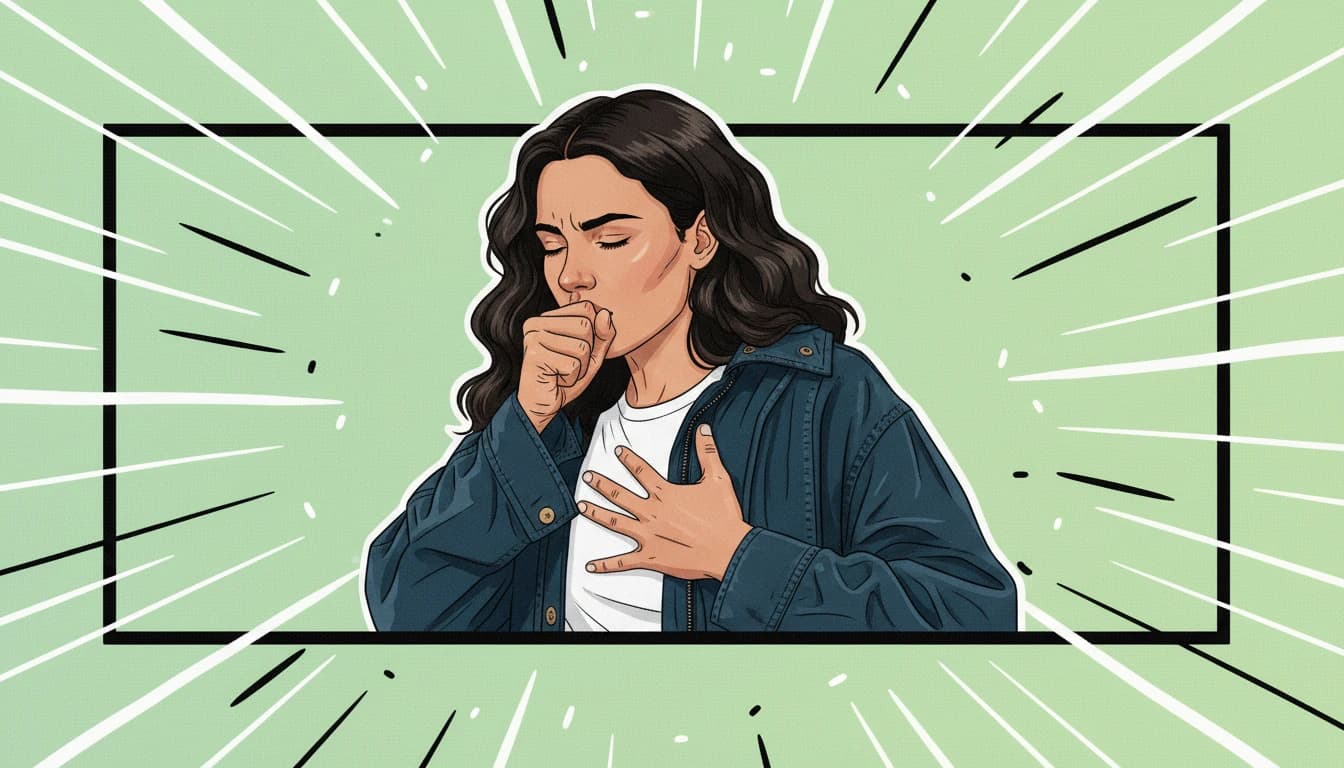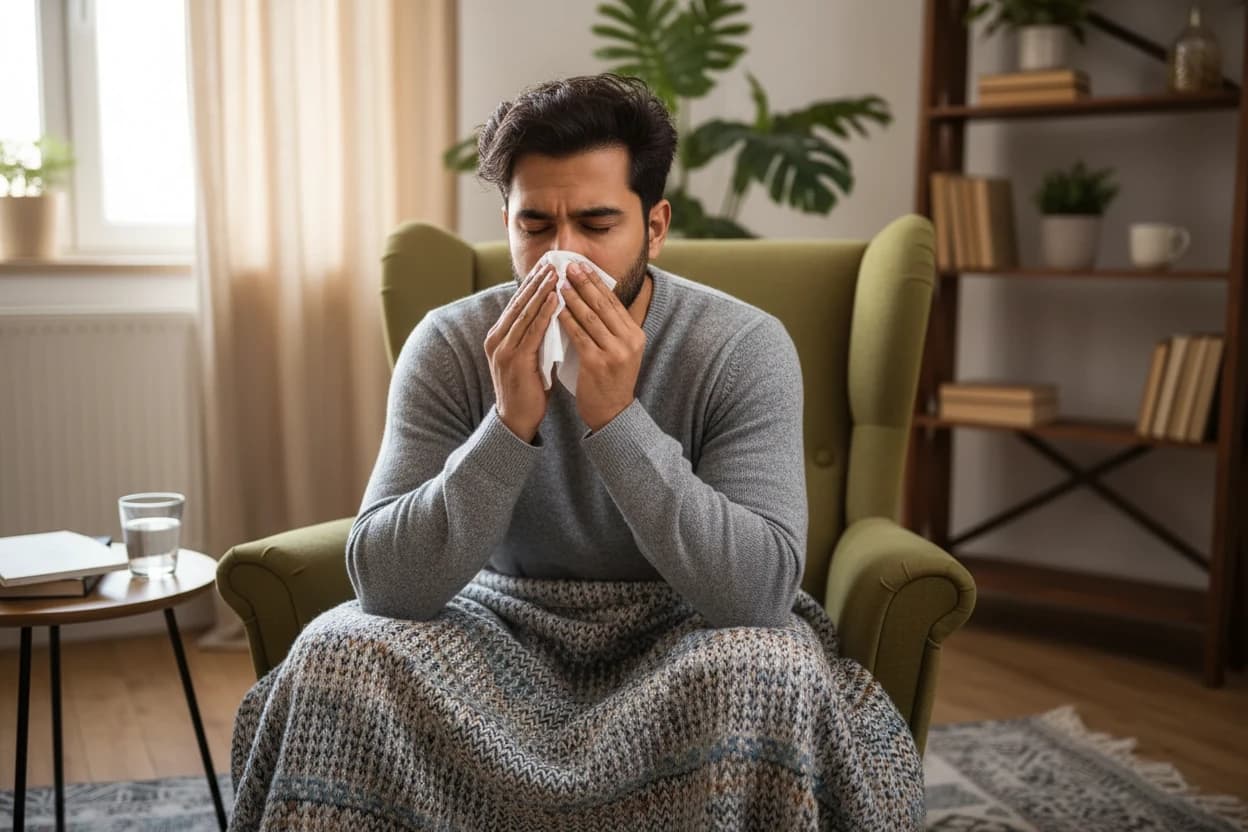
The common cold is the most frequent viral infection worldwide, causing significant discomfort and economic impact1 . While there is no cure for the cold, early supportive care and lifestyle adjustments can reduce symptom severity and shorten illness duration2 . Simple measures such as hydration, rest, and nutrition help strengthen the immune system to better fight the infection3 .
Drink Plenty of Fluids
Staying well-hydrated is a cornerstone of managing cold symptoms and supporting recovery. Drinking fluids such as water, juice, clear broth, or warm lemon water with honey helps loosen congestion and prevents dehydration caused by increased mucus production and fever4 . Adequate hydration thins mucus, facilitating nasal and respiratory clearance, and moist mucosal linings act as effective barriers against pathogens4 .
Hot beverages provide additional benefits by soothing sore throats and easing nasal congestion through steam inhalation2 . However, it is advisable to avoid alcohol, coffee, and caffeinated sodas during a cold, as these can worsen dehydration2 .
Tips for staying hydrated during a cold include:
- Drink enough fluids to quench thirst and maintain pale yellow urine2 .
- Include electrolyte-rich drinks if symptoms are severe to maintain mineral balance2 .
- Use warm liquids to soothe the throat and ease congestion2 .
- Avoid dehydrating beverages like alcohol and excessive caffeine2 .
Prioritize Rest and Sleep
Getting plenty of rest and sleep is essential for supporting immune function during a cold. Sleep regulates immune responses through hormonal and cellular mechanisms, promoting production of cytokines and hormones that modulate inflammation4 . Studies show that longer sleep duration before viral exposure correlates with reduced risk of infection, and sleeping more than seven hours per night is associated with lower susceptibility to colds4 .
Adequate rest allows the body to focus energy on fighting infection and repairing tissues. Maintaining consistent sleep schedules and avoiding sleep disruptors such as caffeine and alcohol can improve sleep quality2 . If cold symptoms interfere with sleep, short-term use of sleep aids or nighttime cold medications may be considered under medical advice2 .
Eat More Fruits and Vegetables
A diet rich in fruits and vegetables supports immune health by providing essential micronutrients and antioxidants. These nutrients enhance immune cell activity and reduce inflammation, helping the body resist pathogens4 . Plant-based foods supply vitamins such as vitamin C, beta-carotene, zinc, and selenium, which are important for immune defenses4 .
Eating a variety of colorful fruits and vegetables ensures a broad spectrum of nutrients that may help shorten cold duration and improve recovery5 . While vitamin C supplements have mixed evidence, obtaining nutrients from whole foods is widely recommended6 3.
Reduce Your Stress Levels
Chronic stress negatively impacts immune function by dysregulating immune responses and promoting systemic inflammation4 . Stress increases susceptibility to viral infections, including the common cold, by impairing the body's ability to fight pathogens4 . Managing stress through relaxation techniques can mitigate these effects and enhance immune parameters4 .
Effective stress reduction strategies include:
- Taking time off work or school to focus on health2 .
- Engaging in gentle exercise like walking or yoga if feeling well enough2 .
- Practicing meditation or deep breathing exercises3 .
- Listening to soothing music or journaling2 .
- Taking warm baths or showers to relax muscles and calm the mind2 .
Reducing stress not only supports immune function but may also improve sleep quality, further aiding recovery4 .
When we are stressed, our bodies produce more inflammation-causing hormones than when we are calm and relaxed. Research has linked stress to reduced immune function2 .
Boost Your Vitamin D
Vitamin D plays a crucial role in immune regulation, and deficiency is common, especially in winter months due to reduced sunlight exposure4 . Low vitamin D levels correlate with increased risk of respiratory tract infections4 . However, current evidence does not strongly support vitamin D supplementation for cold prevention in the general population4 .
Supplementation may benefit individuals with confirmed vitamin D deficiency, but routine use solely for cold prevention remains uncertain4 . Maintaining adequate vitamin D through safe sun exposure and diet is advisable to support overall immune health4 .
Use a Humidifier at Home
Using a humidifier helps maintain mucosal moisture in the nasal passages and throat, similar to the effects of hydration4 . Humidified air prevents dryness that can worsen symptoms such as nasal congestion and throat irritation, providing symptomatic relief4 .
While humidifiers do not alter the immune response or disease course, they improve comfort during a cold by easing breathing and reducing irritation7 1. Regular cleaning of humidifiers is important to prevent microbial growth8 .
Add Probiotics to Your Diet
The gut microbiota influences systemic immune responses and infection susceptibility4 . A balanced gut microbiome supports immune readiness against pathogens, potentially reducing the risk or severity of respiratory infections4 .
Evidence on probiotics for respiratory infections is mixed; some studies suggest probiotics may reduce symptom duration or severity when used consistently rather than acutely4 . Including probiotic-rich foods like yogurt or fermented products may support immune health, though more research is needed9 .
Drink Soothing Herbal Teas
Herbal teas such as those containing honey, ginger, or garlic have been traditionally used for their anti-inflammatory and antimicrobial properties10 . These ingredients contain compounds with potential antiviral and immune-modulating effects, which may provide symptomatic relief during colds10 .
Green and black teas also contain polyphenols with antiviral activity that can complement herbal remedies10 . While conclusive evidence is lacking, these teas are generally safe and can soothe sore throats and ease congestion10 .
Consider Taking Zinc Supplements
Zinc supplementation is among the few treatments with consistent evidence supporting its use to reduce cold duration and severity11 12. Zinc lozenges started early in cold onset may shorten illness duration by a day or two11 12. Regular zinc supplementation may also reduce cold incidence and improve recovery times11 12.
However, zinc can cause side effects such as nausea, and intranasal zinc products are not recommended due to risk of permanent loss of smell11 122. It is advisable to consult a healthcare professional before starting zinc supplements for colds.
Use Saline Nasal Rinses
Nasal irrigation with saline solutions effectively alleviates nasal congestion and cold symptoms by clearing pathogens and allergens from the nasal mucosa13 1. Saline rinses can reduce symptom severity, recurrence, and may shorten cold duration by approximately two days13 1.
Safe nasal irrigation requires sterile, distilled, or properly boiled water to avoid infections13 1. Improper techniques can lead to complications, so following instructions carefully is important13 1.
Take Daily Vitamin C
Vitamin C is essential for immune function and is commonly used to prevent and treat colds14 6. While therapeutic vitamin C supplementation after cold onset generally does not affect illness duration, regular supplementation may modestly reduce cold duration and severity14 6.
Vitamin C may have preventive benefits, especially in individuals at high risk of colds, such as children in group care settings14 6. Obtaining vitamin C through diet or supplements can support overall immune health4 .
Cold Treatment Strategies
Although there is no cure for the common cold, several supportive care strategies can ease symptoms and speed recovery2 . These include:
- Resting to allow the immune system to function optimally1 6.
- Staying hydrated to thin mucus and prevent dehydration1 6.
- Using humidified air or steam to relieve nasal and throat discomfort1 6.
- Taking over-the-counter (OTC) medications like acetaminophen or ibuprofen for pain and fever relief8 .
- Employing saline nasal sprays to clear nasal passages and reduce congestion1 6.
OTC cold and cough medicines may provide symptomatic relief but do not shorten illness duration and are not recommended for young children15 118. Always follow dosing instructions and consult healthcare providers for children or if symptoms worsen.
When to See a Doctor
Most colds resolve within 7 to 14 days without medical intervention1 6. However, medical attention is recommended if symptoms:
- Last longer than 10 days or worsen after initial improvement1 6.
- Include high fever lasting more than three to four days1 6.
- Cause difficulty breathing, chest pain, or wheezing1 6.
- Lead to dehydration or severe fatigue1 6.
- Occur in infants under 3 months with fever or in individuals with chronic respiratory diseases1 6.
Prompt evaluation is important to rule out complications such as bacterial infections or exacerbation of chronic illnesses1 6.
Key Takeaways
- Staying hydrated helps thin mucus and prevents dehydration, easing cold symptoms4 2.
- Adequate sleep and rest support immune function and reduce infection risk4 2.
- Eating a diet rich in fruits and vegetables provides essential nutrients to boost immunity4 .
- Managing stress reduces inflammation and improves immune responses4 2.
- Zinc supplementation started early may shorten cold duration but should be used cautiously11 12.