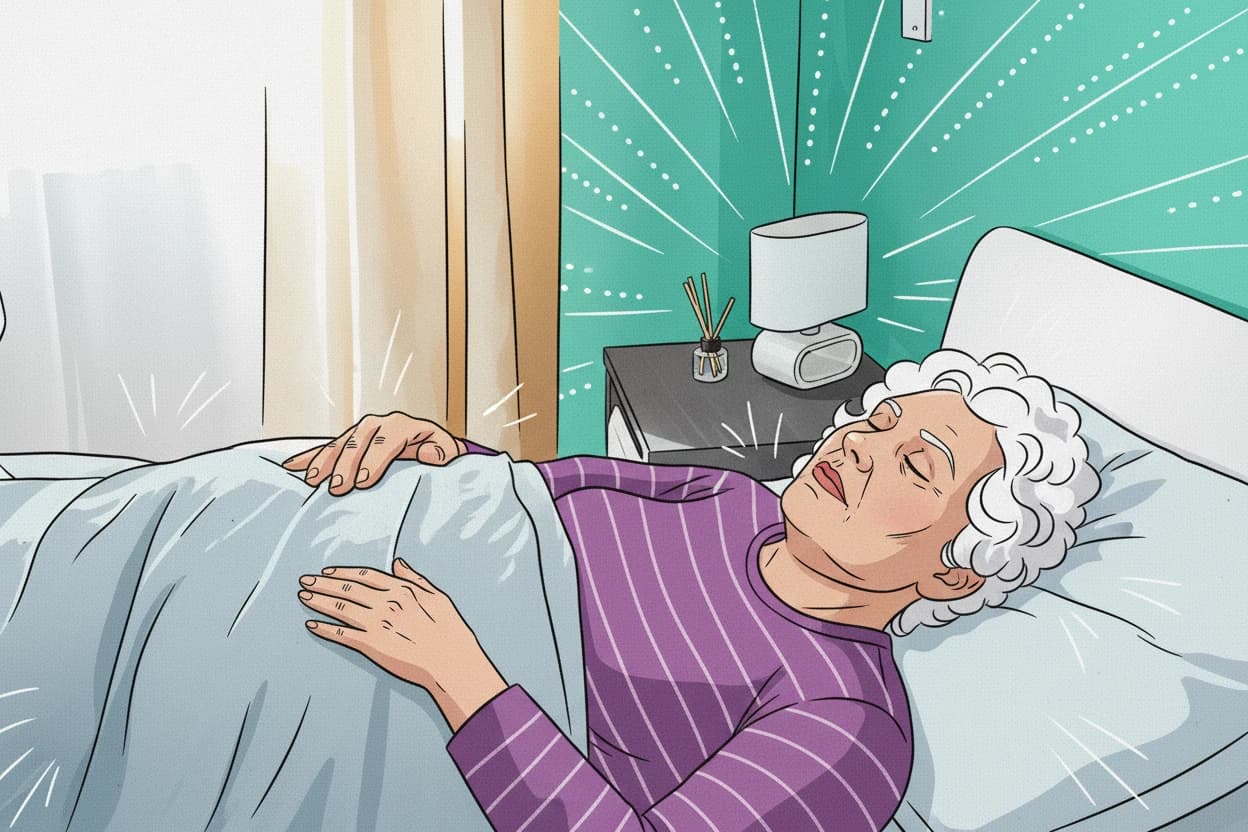
Insomnia affects a large portion of adults and is especially common among stroke patients and older adults, with prevalence estimates ranging from 28% to 57% in these groups1 2. Research indicates that insomnia significantly raises the risk of stroke and cardiovascular disease, with some studies showing a 54% higher stroke risk over four years among people with insomnia3 4. Understanding how insomnia contributes to stroke risk and managing symptoms early may help reduce this serious health threat5 6.
Insomnia and Heart Health
Insomnia, characterized by difficulty falling asleep, staying asleep, or obtaining restorative sleep, is linked to an increased risk of cardiovascular disease (CVD) and stroke5 4. Large cohort studies, including the U.S. Health and Retirement Study (HRS), have found that insomnia symptoms raise the risk of incident cardiovascular events with hazard ratios between 1.16 and 1.325 . The mechanisms behind this elevated risk involve several physiological pathways:
- Activation of the sympathetic nervous system, which increases heart rate and blood pressure7 8.
- Development of hypertension (high blood pressure), a major risk factor for stroke9 8.
- Metabolic dysregulation, including insulin resistance and lipid abnormalities, contributing to vascular damage7 3.
- Elevated stress hormone cortisol levels, which affect the body's stress response and vascular health4 .
💡 Did You Know?
When comparing patients without any insomnia symptoms to those with symptoms, the risk of stroke increases by at least 7% for one symptom and up to 18% for three symptoms12 .
Differentiating insomnia from other sleep disorders such as obstructive sleep apnea (OSA) is important because both increase stroke risk but through different mechanisms7 10. Insomnia symptoms include difficulty initiating sleep, maintaining sleep, early morning awakening, and nonrestorative sleep11 . Chronic insomnia disorder is diagnosed when these symptoms occur at least three times per week for at least three months and cause daytime impairment11 .
Research shows that insomnia often precedes stroke, with about 50% of stroke patients reporting insomnia symptoms before their event3 . The prevalence of stroke among people with insomnia is higher in specialized sleep clinics (around 13%) compared to primary care settings (6.3%) 3. Insomnia increases stroke risk through the development of hypertension, diabetes mellitus, and hyperlipidemia, which are key vascular risk factors3 .
People with insomnia also have higher incidences and risks of hospitalization for stroke13 . Both short and long sleep durations are associated with increased stroke risk, with short sleep linked to a 15% increased risk and long sleep to a 65% increased risk14 . The combination of subjective insomnia and objectively measured short sleep further raises cardiovascular disease incidence by 29%, including stroke14 .
- Sympathetic nervous system overactivity leading to hypertension7 8.
- Metabolic changes increasing diabetes and lipid disorders3 .
- Elevated cortisol and stress responses damaging vascular integrity4 .
- Coexistence with other cardiovascular risk factors such as depression and obesity15 11.
Stroke Risk in Younger Adults
Most large studies on insomnia and stroke focus on adults aged 50 and older, as seen in the Health and Retirement Study, which primarily enrolls this older population5 16. Younger adults under 50 are less represented, limiting the ability to draw firm conclusions about stroke risk in this group16 . However, some evidence suggests that insomnia symptoms in younger adults may confer a relatively higher stroke risk compared to older adults5 6.
Insomnia symptoms in younger adults include difficulty falling asleep, maintaining sleep, early awakening, and poor sleep quality, similar to older populations11 . The risk appears to be mediated by comorbid conditions such as hypertension, diabetes, and depression, which may develop earlier in those with chronic insomnia6 .
Further targeted research is needed to clarify the relationship between insomnia and stroke risk in younger adults and to identify effective prevention strategies5 .
Managing Insomnia Symptoms
Early recognition and management of insomnia symptoms are critical to reducing the risk of stroke and other cardiovascular complications15 16. Clinical guidelines recommend the following approach:
- Use sleep diaries and clinical assessments to diagnose insomnia and differentiate it from other sleep disorders such as OSA15 .
- Diagnose chronic insomnia disorder when symptoms occur at least three times per week for at least three months and cause daytime impairment15 11.
- Screen for comorbidities such as hypertension, diabetes, and depression, which may mediate stroke risk15 16.
- Initiate cognitive behavioral therapy for insomnia (CBT-I) as the preferred first-line treatment15 17.
- Reserve pharmacological treatments for refractory cases or when CBT-I is unavailable15 17.
- Educate patients about the importance of sleep health and encourage timely care-seeking for insomnia symptoms15 .
Effective management of insomnia can improve sleep quality and may reduce the development of hypertension and metabolic disorders that increase stroke risk15 3.
- Maintain a consistent sleep schedule and bedtime routine15 .
- Avoid caffeine, nicotine, and heavy meals before bedtime15 .
- Create a comfortable, quiet, and dark sleep environment15 .
- Limit screen time and exposure to blue light in the evening15 .
- Address stress and mental health issues with professional support15 .
Insomnia increases stroke risk through the development of hypertension, diabetes mellitus, and hyperlipidemia3 .
— Emily Fisher, University of Virginia3