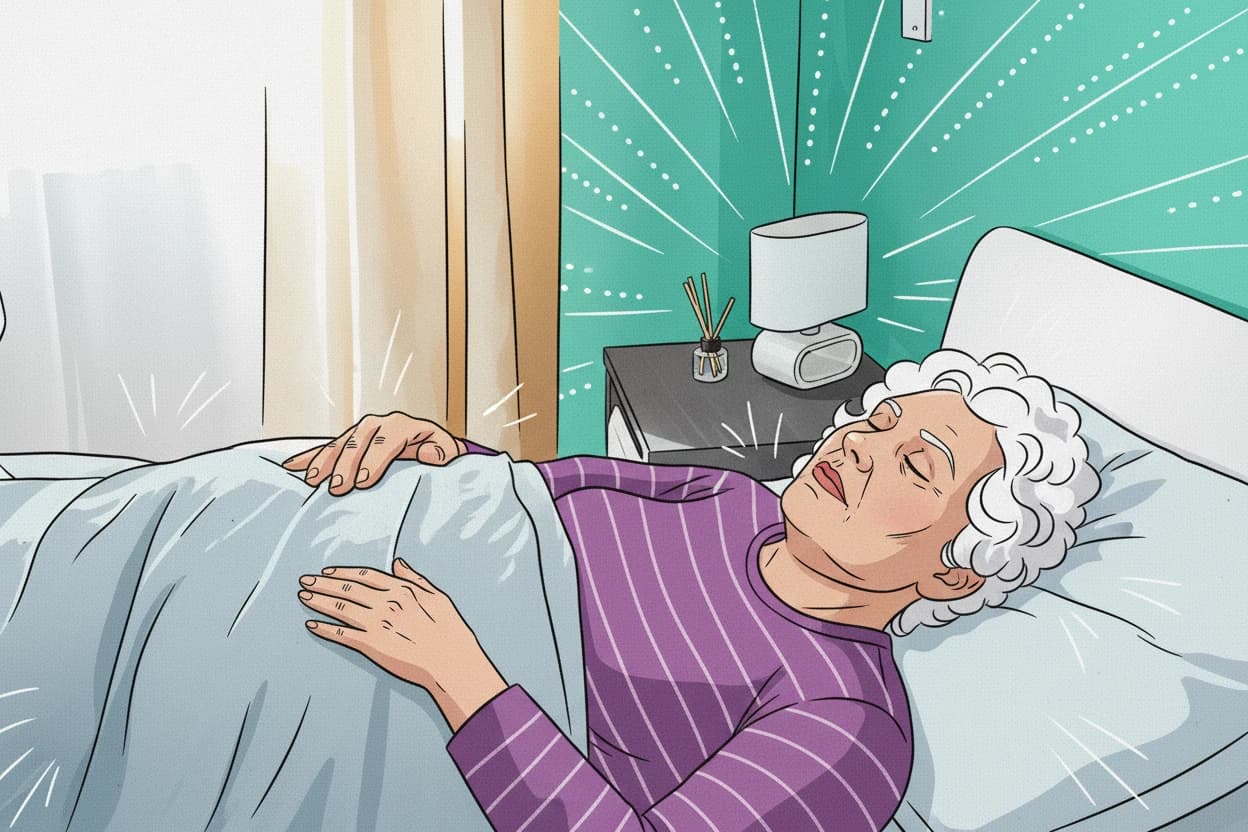
Narcolepsy is a chronic neurological disorder that affects the brain's ability to regulate sleep-wake cycles, causing overwhelming daytime sleepiness and sudden sleep episodes1 . It typically begins in childhood or adolescence but is often diagnosed years later due to symptom variability and overlap with other conditions2 1. Understanding the key symptoms and warning signs of narcolepsy is essential for early diagnosis and effective management1 .
Excessive Daytime Sleepiness
Excessive daytime sleepiness (EDS) is the hallmark symptom of narcolepsy and occurs in all patients3 4. People with narcolepsy experience irresistible bouts of sleep that can happen suddenly during daily activities, even if they have had adequate sleep the night before5 3. These sleep attacks may occur during any activity, making it difficult to maintain alertness throughout the day3 4.
The sleepiness in narcolepsy is often described as overwhelming, similar to the feeling after staying awake all night4 . Patients may feel alert upon waking but become sleepy again soon after4 . Brief naps lasting 15 to 20 minutes can provide temporary relief and improve alertness for one to two hours4 . However, the persistent nature of EDS can lead to inattention, drowsiness, and impaired functioning at school, work, or social settings1 .
People with narcolepsy often require longer or more frequent sleep periods than average to manage symptoms6 . Scheduled naps and maintaining a regular sleep schedule are important behavioral strategies to improve daytime alertness6 .
Sleep Hallucinations and Paralysis
Narcolepsy patients frequently experience REM (rapid eye movement) sleep-related phenomena such as hallucinations and sleep paralysis7 4. These symptoms occur at the transitions between sleep and wakefulness, specifically at sleep onset (hypnagogic) or upon awakening (hypnopompic) 84.
Hallucinations in narcolepsy are vivid and can affect multiple senses, including visual, tactile, and gustatory perceptions8 . Patients may see figures or presences that are not real, which can be frightening and distressing8 4. These dream-like experiences are often intense and may be mistaken for psychotic symptoms8 .
Sleep paralysis is a temporary inability to move or speak while falling asleep or waking up, caused by the persistence of REM sleep muscle atonia into wakefulness8 74. During an episode, conscious awareness returns before muscle control, leaving the person unable to move despite being awake8 . Sleep paralysis episodes usually last no more than a couple of minutes9 4. While sleep paralysis can occur in the general population, it is more frequent and severe in people with narcolepsy7 .
"Narcolepsy is a condition that causes excessive daytime sleepiness and can lead to sudden sleep attacks. Some individuals experience muscle weakness triggered by strong emotions, known as cataplexy. Narcolepsy is classified into two types: type 1 (with cataplexy) and type 2 (without cataplexy)."
— Nancy Foldvary-Schaeffer, Cleveland Clinic10
Insomnia and Sleep Fragmentation
Despite excessive daytime sleepiness, people with narcolepsy often experience disrupted nighttime sleep, including insomnia and fragmented sleep7 4. This paradox occurs because narcolepsy causes irregularities in REM sleep regulation, leading to frequent awakenings and difficulty maintaining continuous sleep7 4.
Patients may have trouble initiating sleep or staying asleep throughout the night, which contributes to overall fatigue and worsens daytime sleepiness7 . The total sleep time is usually normal, but the quality of sleep is poor due to fragmentation and frequent transitions between sleep stages11 .
Maintaining good sleep hygiene and scheduled naps can help improve nighttime sleep quality and reduce daytime symptoms6 11.
Memory Problems
Narcolepsy can affect cognitive function, leading to forgetfulness and memory difficulties related to excessive sleepiness12 . Patients often report problems with attention, incomplete processing of information, and difficulty concentrating during the day12 4.
Automatic behaviors—performing routine tasks with little conscious awareness during sleep attacks—may cause amnesia for actions performed during these episodes12 . This can lead to confusion upon awakening and challenges in daily functioning12 .
These cognitive impairments are thought to be secondary to disrupted sleep and persistent daytime sleepiness rather than primary brain dysfunction12 4.
Cataplexy Attacks
Cataplexy is a sudden, brief loss of muscle tone triggered by strong emotions such as laughter, surprise, or anger13 74. It is a defining feature of narcolepsy type 1 and results from hypocretin (orexin) deficiency in the brain13 7.
Cataplexy episodes can range in severity from mild facial weakness, such as eyelid drooping, to complete body collapse without loss of consciousness13 7. During an attack, muscle atonia occurs while the person remains fully aware13 . These episodes typically last seconds to minutes7 .
Because of the sudden muscle weakness and collapse, cataplexy can be mistaken for epileptic seizures14 . However, unlike seizures, consciousness is preserved during cataplexy13 14.
Emotional triggers are common, and managing stress and emotions can help reduce the frequency of attacks13 .
Childhood Narcolepsy Symptoms
Narcolepsy often begins in childhood or adolescence but is frequently diagnosed late due to symptom variability and overlap with other disorders2 1516. Pediatric narcolepsy presents with excessive sleepiness and REM-related phenomena similar to adults but may also include unique behavioral symptoms16 .
In children, excessive daytime sleepiness may manifest as irritability, hyperactivity, or attention problems, which can lead to misdiagnosis as attention-deficit/hyperactivity disorder (ADHD) 16. Pediatric cataplexy may present with choreic or restless movements such as fidgeting and twisting, differing from the typical muscle weakness seen in adults2 .
Children with narcolepsy are at increased risk of obesity, early puberty, academic difficulties, and psychiatric comorbidities16 . Early recognition of behavioral and physical symptoms alongside sleep disturbances is critical for timely diagnosis and management2 16.
Narcolepsy symptoms often begin in childhood or adolescence but can be mistaken for behavioral problems or other sleep disorders, leading to delayed diagnosis. Recognizing the full symptom spectrum, including daytime sleepiness, cataplexy, and REM-related phenomena, is key to timely treatment and improved quality of life16 12.
When to See a Doctor
Persistent excessive daytime sleepiness, sudden muscle weakness, sleep paralysis, or hallucinations warrant medical evaluation for narcolepsy17 3. Because symptoms can be subtle or mistaken for other conditions, diagnosis is often delayed by years2 15.
Seek medical advice if you or your child experience:
- Daily, overwhelming sleepiness despite adequate nighttime sleep3 4
- Sudden muscle weakness triggered by emotions (cataplexy) 137
- Vivid hallucinations at sleep onset or upon awakening8 7
- Episodes of inability to move when falling asleep or waking up (sleep paralysis) 87
- Behavioral changes such as irritability, hyperactivity, or attention difficulties in children16
Early diagnosis allows for better symptom management and reduces risks such as accidents related to sleep attacks17 18.
Narcolepsy Symptoms Summary
Narcolepsy is characterized by a cluster of symptoms that impact daily life and safety19 3. The core symptoms include:
- Excessive daytime sleepiness with irresistible sleep attacks3 4
- Cataplexy: sudden muscle weakness triggered by emotions, present in type 1 narcolepsy13 7
- Sleep paralysis: temporary inability to move upon waking or falling asleep8 7
- Hypnagogic and hypnopompic hallucinations: vivid, often frightening dream-like experiences at sleep transitions8 4
- Fragmented nighttime sleep with frequent awakenings7 11
Narcolepsy does not reduce life expectancy but can significantly affect quality of life and increase risks of accidents, especially while driving17 318. It is associated with comorbidities such as cardiovascular disease, obesity, mood disorders, and sleep-disordered breathing3 20.
Effective treatment combines pharmacologic agents, scheduled naps, and behavioral strategies to improve alertness and safety6 11.
Narcolepsy FAQs
What are the main symptoms of narcolepsy?
Narcolepsy symptoms include excessive daytime sleepiness, sudden muscle weakness called cataplexy (in type 1), sleep paralysis, and vivid hallucinations during sleep transitions7 4.
Can children have narcolepsy?
Yes, children can develop narcolepsy, often showing excessive sleepiness, behavioral changes like irritability or hyperactivity, and unique cataplexy symptoms such as restless movements2 16.
Is narcolepsy curable?
Narcolepsy is a lifelong condition without a cure, but symptoms can be managed effectively with medication and lifestyle changes9 1.
How is narcolepsy diagnosed?
Diagnosis involves clinical evaluation, overnight sleep studies (polysomnography), and tests like the Multiple Sleep Latency Test (MSLT). Low hypocretin levels in cerebrospinal fluid help confirm type 1 narcolepsy1 21.
What treatments are available?
Treatment includes wakefulness-promoting medications, sodium oxybate for cataplexy, antidepressants, scheduled naps, and good sleep hygiene to improve symptoms and reduce risks6 22.