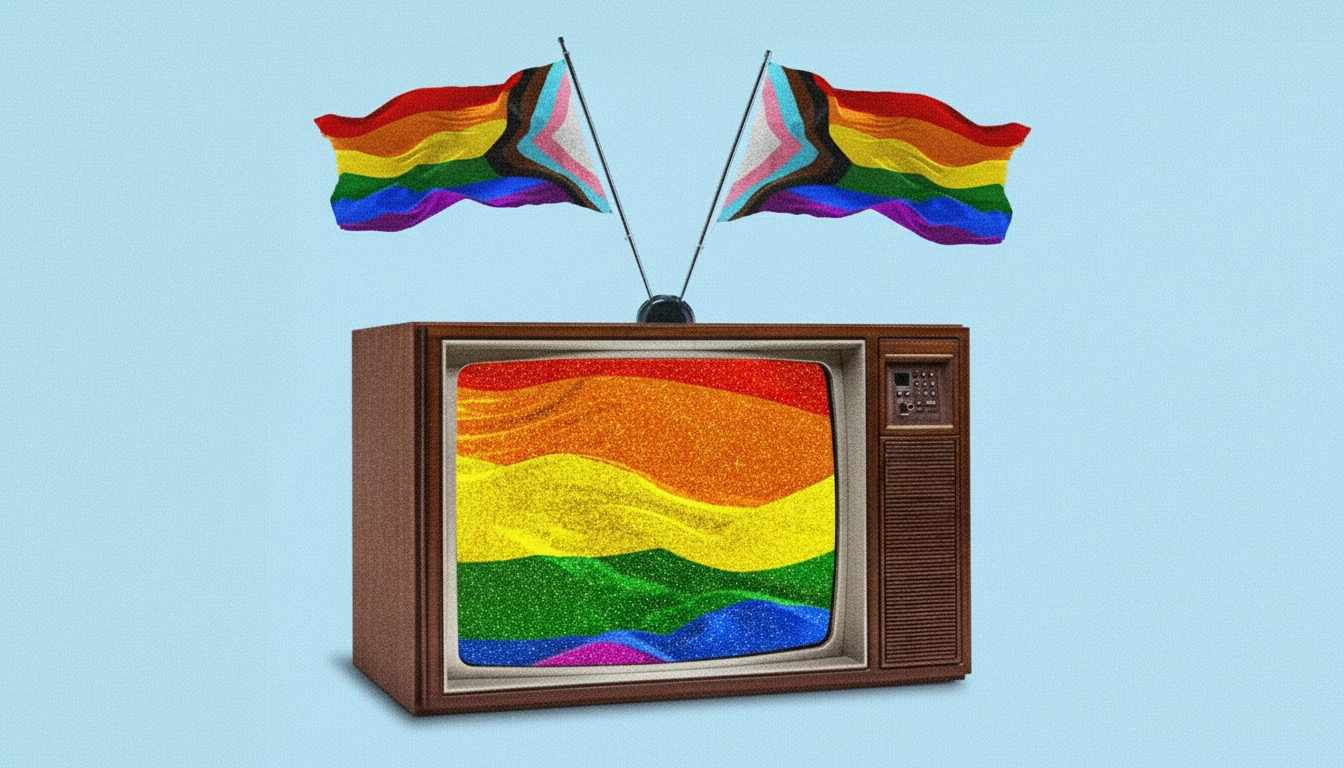
Queerbaiting is a widespread marketing tactic in media that hints at queer relationships or identities without delivering authentic representation, often exploiting LGBTQ+ audiences for profit1 2. This practice has evolved from historical roots of concealment and persecution to a modern form of media manipulation that harms queer individuals emotionally and socially3 2. Despite progress in queer representation, queerbaiting continues to affect the mental health and identity development of LGBTQ+ people, highlighting the need for awareness and action from both creators and audiences4 1.
Origins of Queerbaiting in the US
The concept of queerbaiting has deep historical roots in the United States, evolving from periods of systemic oppression and concealment of LGBTQ+ identities. During the mid-20th century, the Lavender Scare marked a campaign targeting LGBTQ+ individuals in government positions, labeling them as security risks and leading to widespread dismissals3 . This era forced many queer people to hide their identities due to fear of persecution3 .
Entrapment tactics were also employed, where supposed allies would deceptively gain the trust of LGBTQ+ individuals only to betray them, a practice that can be seen as an early form of queerbaiting2 . These historical strategies were characterized by misleading representation and caused significant harm to queer communities2 .
The term "queerbaiting" itself emerged more recently, popularized on social media in the early 2010s, but the practice of hinting at queerness without explicit portrayal dates back to the era of the Hays Code (1934–1968), which censored any depiction of homosexuality in film5 . Filmmakers used subtle subtext and coded traits to imply queer identities while avoiding censorship, a tactic that laid the groundwork for modern queerbaiting5 .
Queerbaiting has always been characterized by misleading representation and detrimental effects on queer people.
— Holly Honderich, Media Researcher2
Causes of Queerbaiting Practices
Queerbaiting primarily occurs due to financial and social motivations within media industries. Content creators and studios seek to attract the attention and spending power of LGBTQ+ audiences without risking backlash from more conservative or heteronormative viewers2 6. This capitalist incentive drives media to exploit queer audiences by teasing representation without delivering authentic queer narratives6 .
In the 2010s, queer representation was often avoided because producers feared controversy or alienating mainstream audiences, leading to widespread queerbaiting2 6. Media would use queer subtext, ambiguous character interactions, or suggestive marketing to maintain a fan base while minimizing risk2 . This approach allowed shows and films to "have their cake and eat it too," benefiting economically without committing to genuine inclusion6 .
Queerbaiting also occurs due to ignorance or misunderstanding of queer identities, where creators may believe they are representing queer people but fall short of authentic portrayal7 . Additionally, queerbaiting has expanded beyond media into marketing and social interactions, where companies or individuals hint at queerness for appeal without true allegiance to LGBTQ+ issues7 .
- Financial motives drive queerbaiting to capitalize on queer consumers’ spending power6
- Fear of backlash leads to avoidance of explicit queer representation6
- Queer subtext is used to attract viewers without commitment2
- Queerbaiting occurs in media, marketing, and social contexts7
- Misunderstanding of queer identities contributes to misrepresentation7
It comes back to capitalism: content creators want the money of the queer consumers, but they will not represent them.
— Raina Deerwater, GLAAD Media Institute1
Queerbaiting's Harmful Effects on LGBTQ+ People
Queerbaiting harms the LGBTQ+ community by invalidating queer identities, exploiting emotional investment, and perpetuating stigma. It draws queer audiences in with promises of representation but ultimately withholds authentic inclusion, leading to feelings of betrayal and invisibility2 1. This bait-and-switch tactic exploits queer people’s desire for visibility and affirmation, causing emotional distress2 .
The Toll on Mental Health
The lack of authentic queer representation due to queerbaiting exacerbates mental health challenges in LGBTQ+ populations. Queer individuals already face significantly higher rates of depression and anxiety compared to heterosexual peers, and queerbaiting compounds these disparities by invalidating their experiences8 1. The anticipation and subsequent disappointment from queerbaiting can intensify feelings of hopelessness and confusion4 .
Social Isolation
When queer people do not see themselves reflected genuinely in media, it contributes to social isolation, a known risk factor for poor mental health1 . The absence of positive queer role models and narratives reinforces feelings of exclusion and marginalization1 . Social isolation linked to invisibility in media can biologically increase depression and anxiety symptoms1 .
Invalidating Queerness
Queerbaiting implies that queer identities and relationships are not worthy of full representation, reinforcing harmful stereotypes and erasure1 . By teasing queerness but never fulfilling it, media creators send a message that queer lives are less valid or important than straight ones1 . This dismissal perpetuates stigma and undermines the normalization of LGBTQ+ people in society1 .
- Queerbaiting exploits queer audiences’ emotional investment2
- It increases mental health disparities, including depression and anxiety8
- Lack of representation leads to social isolation and exclusion1
- Queerbaiting invalidates queer identities and relationships1
- It perpetuates stigma and erasure of LGBTQ+ people1
Progress in Media Representation of Queer People
Despite the harms of queerbaiting, media representation of queer people has improved, especially in television. Organizations like GLAAD track LGBTQ+ representation annually, showing that TV shows now feature a higher volume of queer characters compared to films9 . In 2020, only a minority of theatrically released films included LGBTQ+ characters, while streaming, cable, and broadcast TV showed significant increases in queer representation9 .
This progress reflects a shift in social attitudes and industry willingness to center queer narratives authentically. Popular shows like "Sex Education," "Pose," and "Dickinson" have demonstrated that queer stories can be focal and successful without fear of controversy1 . As queer narratives gain prominence, the need for queerbaiting diminishes2 6.
- Television outpaces film in LGBTQ+ inclusion9
- More shows center queer characters and stories authentically1
- Increased representation provides validation and visibility6
- Positive reception motivates further inclusion2
- Social attitudes toward queer representation are evolving2
Queerbaiting is another form of queer folks being erased, dismissed, or told we don't matter in the world.
— Kim Hackford-Peer, PhD, University of Utah1
Ways to Help Stop Queerbaiting
Stopping queerbaiting requires action from both media creators and audiences. Media producers must commit to authentic queer representation and avoid exploiting queer audiences for profit without meaningful inclusion2 . Supporting LGBTQ+ creators and projects can reduce reliance on queerbaiting tactics by amplifying genuine voices2 .
Audiences play a crucial role by educating themselves about queerbaiting, recognizing it when it occurs, and calling it out publicly2 . Conversations among peers can raise awareness and foster community support against exploitative practices2 . Engaging critically with media, scrutinizing casting and storylines, and demanding better representation can pressure the industry to change2 6.
- Media creators should prioritize authentic queer representation2
- Support LGBTQ+ creators and queer-centered projects2
- Educate yourself about queerbaiting and its harms2
- Call out queerbaiting when observed in media2
- Discuss queerbaiting with friends to increase awareness2
The elimination of queerbaiting depends largely on the actions of media producers and creators.
— Nicole Woods, Bournemouth University4
Key Takeaways
- Queerbaiting originated from historical persecution and evolved into a marketing tactic exploiting queer audiences without authentic representation2 3.
- Financial motives and fear of backlash drive queerbaiting in media, marketing, and social contexts6 7.
- Queerbaiting harms LGBTQ+ people by invalidating identities, increasing mental health challenges, and fostering social isolation8 1.
- Media representation of queer people is improving, especially on television, reducing the need for queerbaiting9 1.
- Ending queerbaiting requires commitment from creators to authentic representation and active audience engagement to call out and reject exploitative practices2 4.