Respiratory syncytial virus (RSV) is a common respiratory infection that affects people of all ages but is especially significant in infants and older adults. It causes over 30 million lower respiratory tract infections worldwide each year, leading to millions of hospitalizations, primarily among young children and the elderly1 . While most RSV infections cause mild, cold-like symptoms and resolve within one to two weeks, severe disease can develop, particularly in high-risk groups such as premature infants and older adults with chronic health conditions2 3.
Recognizing Common RSV Symptoms
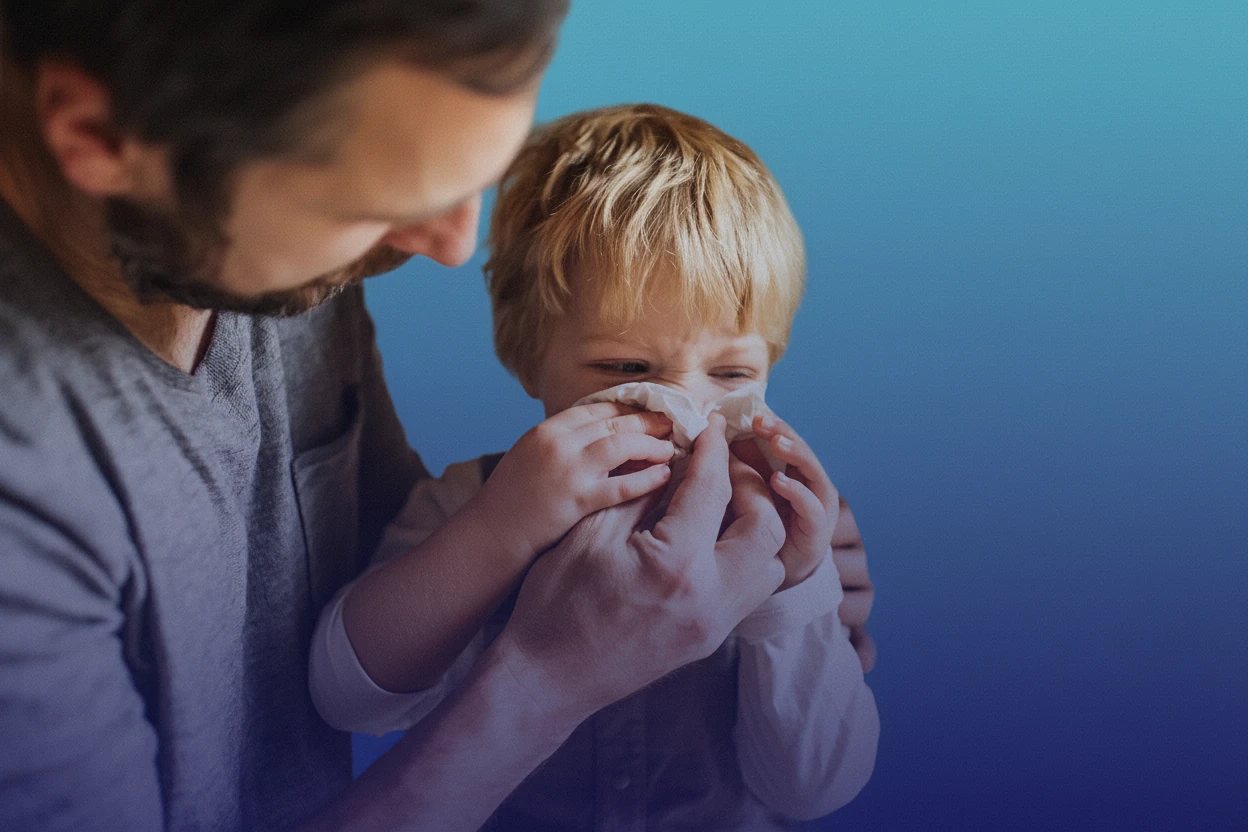
RSV typically begins with mild symptoms that resemble a common cold but can progress to more severe respiratory illness, especially in infants and young children. The most frequent early symptoms include nasal congestion, runny nose (rhinorrhea), mild fever, sore throat, and cough4 2. Coughing often produces sputum and may worsen as the infection progresses4 . Other common symptoms include sneezing, headache, fatigue, and decreased appetite5 6.
In infants, RSV symptoms can be less specific and may include irritability, decreased activity, poor feeding, and episodes of apnea (pauses in breathing lasting more than 10 seconds) 78. Wheezing and rapid breathing may also be observed as the infection affects the lower respiratory tract4 8. In adults, symptoms usually mimic a mild cold and typically resolve within a week, though elderly or immunocompromised adults may experience prolonged illness9 10.
- Nasal congestion and rhinorrhea are common initial signs4 6.
- Cough with sputum production is frequently observed4 5.
- Fever is usually mild but can be higher in infants and young children2 8.
- Wheezing and difficulty breathing may occur in severe cases, especially in infants4 8.
- Decreased appetite and fatigue are common systemic symptoms5 2.
RSV symptoms usually start 4 to 6 days after exposure and can range from mild cold-like signs to severe respiratory distress in vulnerable populations. Most children recover without complications, but infants under 1 year are at higher risk for bronchiolitis and pneumonia caused by RSV10 118.
RSV Virus Lifecycle and Transmission
RSV is a highly contagious virus that primarily infects the respiratory tract. Understanding its lifecycle helps explain how it spreads and causes illness.
Asymptomatic
The incubation period of RSV ranges from 2 to 8 days, during which the virus replicates in the respiratory tract without causing symptoms11 12. Viral shedding can begin approximately 48 hours before symptoms appear, meaning infected individuals can spread the virus even when they feel well12 10. Asymptomatic viral shedding is particularly common in infants and people with weakened immune systems, who may continue to shed the virus for several weeks12 10.
Symptomatic
Once symptoms develop, they typically progress over several days. Early signs include mild fever, nasal congestion, and sore throat, followed by worsening cough, increased nasal obstruction, and higher fever12 411. The clinical course usually lasts about one to two weeks, with most patients recovering fully without specific treatment12 13.
Hospitalization
Severe RSV infection can lead to bronchiolitis (inflammation of the small airways) and pneumonia, especially in infants under 1 year old, premature babies, and older adults with chronic conditions11 98. Hospitalization may be required for supportive care such as oxygen therapy and intravenous (IV) fluids to maintain hydration9 12. Mechanical ventilation may be necessary in cases of respiratory failure7 .
Complications
While most healthy individuals recover without complications, RSV can cause serious outcomes in high-risk groups. Complications include respiratory failure, hypoxia (low blood oxygen), dehydration, and secondary bacterial infections like ear infections or pneumonia9 3. Post-infectious wheezing and asthma development have also been linked to severe RSV infection in infancy4 8.
- RSV spreads through direct contact with respiratory secretions and indirectly via contaminated surfaces (fomites) 1412.
- Children have higher infection rates due to immature immunity and frequent exposure in settings like daycare13 15.
- The virus can survive for hours on hard surfaces, facilitating indirect transmission15 .
- Adults often acquire RSV from close contact with infected children12 10.
- RSV season typically peaks in fall and winter months in temperate climates7 15.
RSV usually causes mild symptoms, but it can cause severe illness. This is more likely in infants, some young children, people with compromised immune systems, and adults who are older or have certain risk factors16 .
When to Seek Medical Care for RSV
Most RSV infections are mild and resolve with supportive care at home. However, certain signs and symptoms warrant prompt medical evaluation.
- Difficulty breathing or rapid, shallow breathing9 8.
- Bluish or grayish discoloration of lips, skin, or fingertips indicating hypoxia9 13.
- Persistent high fever or worsening cough4 9.
- Poor feeding or dehydration, especially in infants7 8.
- Lethargy or decreased responsiveness8 .
Fever management with acetaminophen or ibuprofen is commonly advised to relieve discomfort12 . Emergency care is necessary if severe respiratory distress or hypoxia occurs9 . Hospital treatment may include supplemental oxygen, IV hydration, and in some cases, mechanical ventilation9 12.
Questions to Ask Your Provider
When consulting a healthcare provider about RSV, consider asking:
- What symptoms should prompt urgent care or hospitalization? 13
- How can I manage fever and cough at home safely? 12
- Are there any specific treatments or medications recommended? 12
- What precautions can I take to prevent spreading RSV to others? 13
- Is my child or I eligible for RSV vaccination or prophylaxis? 17
The biggest sign is just like with other infections—there’s a range. So, little babies may have difficulty breathing, fever, cough, wheezing, chest congestion or it could just be a runny nose, and they don’t want to eat3 .
Effective RSV Prevention Strategies
Preventing RSV infection involves reducing exposure to the virus and protecting high-risk individuals.
- Practice frequent hand washing and use hand sanitizers15 .
- Avoid close contact with sick individuals, especially during RSV season15 .
- Clean and disinfect surfaces regularly, focusing on hard surfaces that can harbor the virus15 .
- Limit exposure of infants to crowded settings like daycare during peak RSV season8 .
- Breastfeeding provides immune support and may reduce RSV severity in infants6 .
Specific medical prevention options include monoclonal antibodies and vaccines:
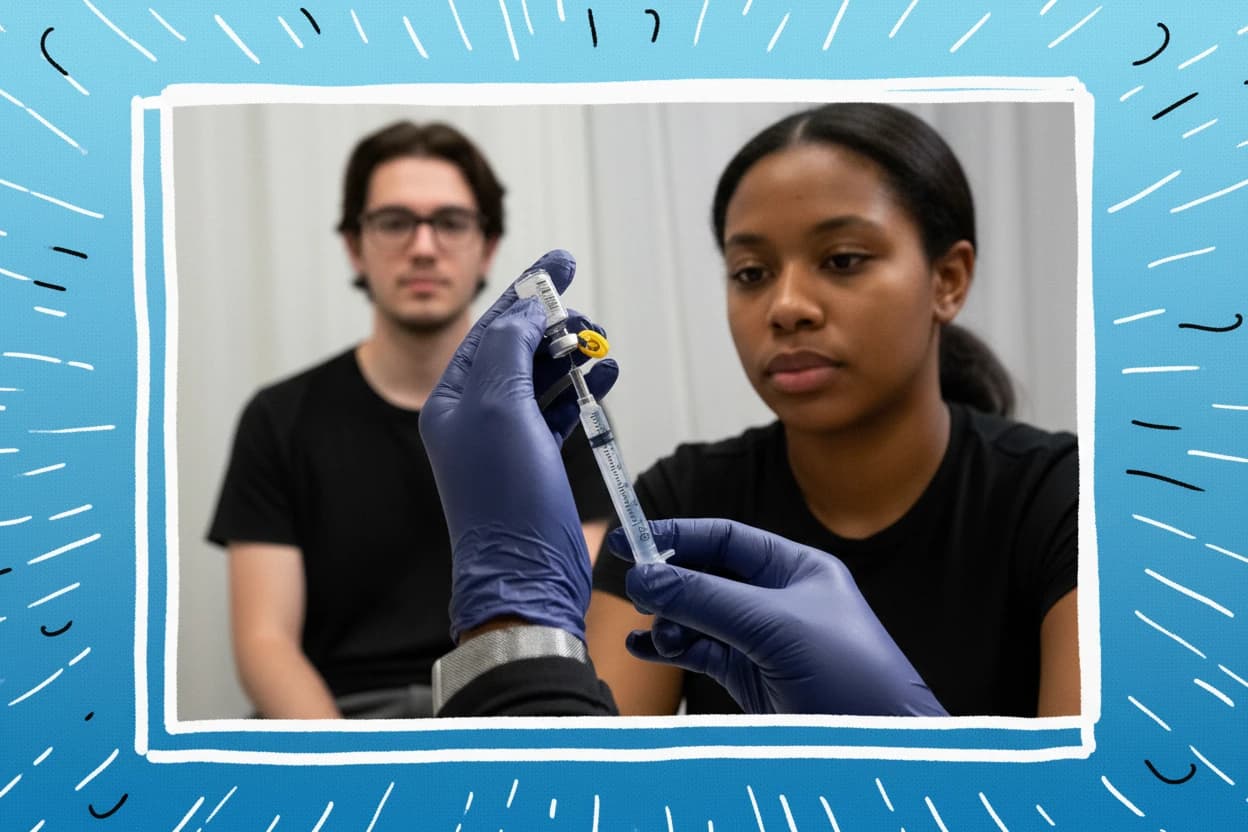
- Nirsevimab is a monoclonal antibody that effectively prevents severe RSV in infants, requiring repeated dosing for sustained protection17 .
- Palivizumab is approved for high-risk infants under 2 years and reduces hospitalization rates by about 80% 17.
- RSV vaccines have been recently approved for older adults, such as Arexvy, which shows approximately 82% efficacy in preventing severe RSV disease in adults aged 60 and older17 .
| Prevention Method | Target Group | Effectiveness | Notes |
|---|---|---|---|
| Nirsevimab (monoclonal Ab) | Infants ≤8 months | High efficacy in preventing severe RSV17 | Requires repeated dosing |
| Palivizumab (monoclonal Ab) | High-risk infants <2 years | ~80% reduction in hospitalizations17 | Seasonal dosing during RSV season |
| RSV Vaccines (e.g., Arexvy) | Adults ≥60 years | ~82% efficacy in preventing severe disease17 | FDA approved in 2023 |
| Sources: 17 | |||
Immunization strategies, including monoclonal antibodies for infants and vaccines for older adults, are transforming RSV prevention and reducing hospitalizations significantly17 .
Key Takeaways About RSV
- RSV is a leading cause of respiratory infections worldwide, especially affecting infants and older adults1 3.
- Symptoms range from mild cold-like signs to severe bronchiolitis and pneumonia, with most cases resolving in 1-2 weeks4 13.
- The virus spreads easily through respiratory droplets and contaminated surfaces, with children being the main source of transmission12 15.
- High-risk groups include premature infants, children with chronic diseases, older adults, and immunocompromised individuals18 3.
- Prevention includes good hygiene, monoclonal antibodies for infants, and vaccines for older adults and pregnant women17 8.
RSV Frequently Asked Questions
What are the typical symptoms of RSV?
RSV symptoms usually include fever, sore throat, runny nose, cough, wheezing, and fatigue. Infants may also have irritability, decreased feeding, and breathing difficulties4 72.
Who is most at risk for severe RSV disease?
Infants under 6 months, especially premature babies, older adults over 75, and people with chronic heart or lung conditions or weakened immune systems are at highest risk3 16.
How long does RSV illness last?
Most RSV infections last about one to two weeks. Adults typically recover within a week, while infants may have prolonged symptoms but usually recover without hospitalization12 1310.
Is there a specific treatment for RSV?
There is no specific antiviral treatment for RSV. Supportive care, including fever management, hydration, and oxygen therapy if needed, is standard12 2.
Can RSV be prevented?
Yes. Preventive measures include hand hygiene, avoiding sick contacts, cleaning surfaces, monoclonal antibody injections for high-risk infants, and vaccines for older adults and pregnant women17 158.