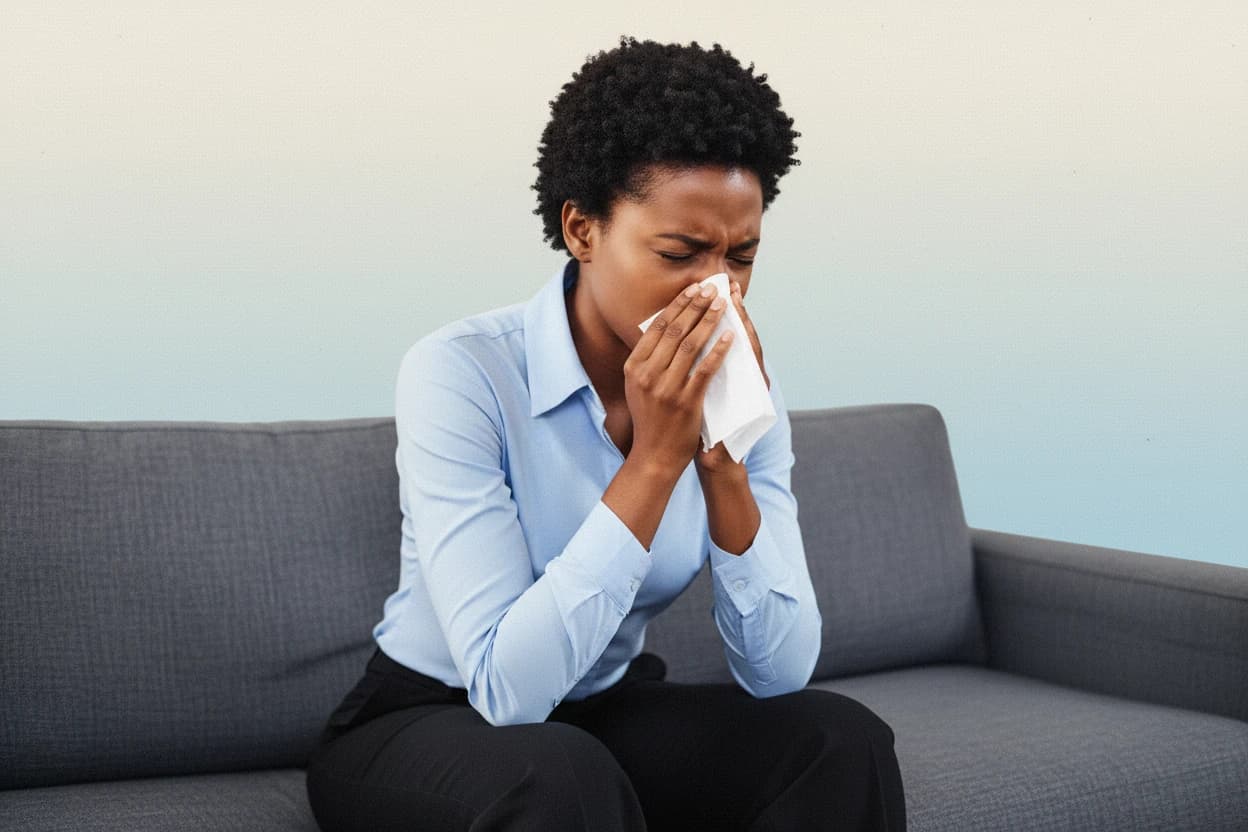
Seasonal allergies affect millions of people worldwide, with up to one in four adults in the United States experiencing symptoms during certain times of the year1 . These allergies can significantly impact quality of life by causing discomfort and reducing productivity2 . Understanding the symptoms, causes, diagnosis, and treatment options is essential for effective management and relief3 .
Common Seasonal Allergy Symptoms
Seasonal allergies, also known as allergic rhinitis or hay fever, typically cause a range of respiratory and ocular symptoms triggered by airborne allergens such as pollen and fungal spores2 4. The most common symptoms include:
- Runny nose (rhinorrhea) with clear, thin nasal discharge5 6
- Nasal congestion or stuffiness5 7
- Sneezing5 3
- Itchy nose, throat, and eyes3 6
- Watery, red, or swollen eyes (ocular symptoms) reported by 70–80% of patients5 2
- Postnasal drip, which causes mucus to run down the throat3
- Fatigue and tiredness, often due to poor sleep caused by symptoms3 7
- Coughing and wheezing, especially in patients with asthma triggered by pollen6
Symptoms are most prevalent during spring when tree and grass pollens are abundant, but they can also occur during summer and fall due to weed pollens like ragweed and mold spores2 6. Unlike colds, seasonal allergies do not cause fever or systemic symptoms7 .
Causes of Seasonal Allergies
Seasonal allergies arise when the body's immune system overreacts to harmless airborne substances, known as allergens, treating them as threats3 8. The main allergens responsible for seasonal allergies include pollen from trees, grasses, and weeds, as well as fungal spores2 94.
When an allergen is inhaled, the immune system produces immunoglobulin E (IgE) antibodies that trigger the release of chemicals such as histamine, leading to inflammation and allergy symptoms5 3. The severity and timing of symptoms depend on local flora, climate, and individual sensitivity2 9.
Risk Factors
Several factors increase the likelihood of developing seasonal allergies:
- Genetic predisposition: Allergies often run in families, and genetic factors influence immune system sensitivity2 10.
- Environmental exposure: Air pollution and exposure to tobacco smoke can increase susceptibility to allergic sensitization and worsen symptoms11 12.
- Climate change: Rising temperatures and increased carbon dioxide levels extend pollen seasons and increase pollen production by about 20%, leading to longer and more severe allergy seasons9 1314.
- Geographic location: Different regions have varying types and amounts of pollen; for example, ragweed grows abundantly in disturbed soils caused by human activity9 6.
- Age: Allergic diseases can develop at any age, with increasing sensitization rates observed in both children and adults2 9.
Diagnosing Seasonal Allergies
Diagnosis begins with a detailed clinical evaluation, including a thorough history of symptoms and physical examination16 . Key diagnostic considerations include:
- Timing and pattern of symptoms, often seasonal and linked to pollen exposure2 9.
- Presence of nasal and ocular symptoms consistent with allergic rhinitis5 .
- Exclusion of other causes such as viral infections, which typically cause fever and systemic symptoms7 .
For confirmation, allergy specialists may perform:
- Skin prick testing: Small amounts of allergens are introduced into the skin to observe reactions indicating sensitization6 16.
- Specific IgE blood tests: Measure antibodies against specific allergens in the blood, useful when skin testing is contraindicated6 16.
Both tests help identify the specific allergens responsible, guiding targeted treatment and avoidance strategies16 .
Seasonal Allergy Treatment Options
Treatment aims to relieve symptoms and improve quality of life. Options include medications, allergen avoidance, and immunotherapy2 17.
Intranasal (Nose) Corticosteroids
Intranasal corticosteroids are the first-line treatment for allergic rhinitis. They reduce inflammation in the nasal mucosa, alleviating congestion, sneezing, itching, and rhinorrhea17 18. These sprays are effective for nasal symptoms and may also provide some relief for eye symptoms17 .
Antihistamines
Antihistamines block histamine receptors to reduce symptoms such as sneezing, itching, and watery eyes17 18. Second-generation antihistamines (e.g., loratadine, cetirizine, fexofenadine) are preferred because they cause less sedation and cognitive impairment compared to first-generation agents17 .
Decongestants
Decongestants relieve nasal congestion by constricting blood vessels in the nasal passages18 . They are available as oral or nasal formulations but should be used cautiously due to potential side effects and contraindications in conditions like hypertension18 .
Eye Drops
Ocular symptoms can be managed with antihistamine or mast cell stabilizer eye drops to reduce itching and redness5 18. These are often used in combination with systemic treatments.
Leukotriene Receptor Antagonists
Leukotriene receptor antagonists block inflammatory chemicals involved in allergic reactions and can help manage both allergic rhinitis and asthma symptoms18 . They are taken orally and may be considered when other treatments are insufficient.
Cromolyn (sodium cromoglycate)
Cromolyn sodium nasal spray prevents the release of inflammatory mediators from mast cells, reducing allergy symptoms18 . It is safe but requires frequent dosing (4–6 times daily) and is most effective when started before the allergy season18 .
Immunotherapy
Immunotherapy involves gradually exposing patients to increasing amounts of allergens to desensitize the immune system19 18. It can be administered as:
- Subcutaneous injections (allergy shots): Given over several years, leading to long-term symptom relief19 18.
- Sublingual tablets: Placed under the tongue daily for specific allergens like grass and ragweed pollen18 6.
Immunotherapy is recommended for patients with severe or persistent symptoms unresponsive to pharmacotherapy17 18.
Xolair (omalizumab)
Omalizumab is a monoclonal antibody that targets IgE and is used in some cases of severe allergic asthma and rhinitis19 . It is not a first-line treatment and requires specialist management.
Preventing Seasonal Allergies
Prevention focuses on minimizing exposure to airborne allergens and early treatment initiation2 1. Key strategies include:
- Monitoring local pollen counts and limiting outdoor activities when levels are high1 .
- Keeping windows and doors closed during peak pollen seasons1 .
- Using air conditioning with high-efficiency particulate air (HEPA) filters to reduce indoor allergens1 .
- Showering and changing clothes after outdoor exposure to remove pollen from skin and hair1 .
- Avoiding activities that stir up pollen, such as lawn mowing or raking leaves, or wearing protective masks during these tasks1 .
- Starting allergy medications 1–2 weeks before the pollen season begins for optimal symptom control14 1.
Related Health Conditions
Seasonal allergies often coexist with other atopic diseases due to shared immune system dysfunction19 . These include:
- Asthma: Allergens can trigger asthma exacerbations, causing coughing, wheezing, and shortness of breath19 6.
- Atopic dermatitis (eczema): A skin condition linked to allergic sensitization19 .
- Allergic conjunctivitis: Ocular allergy symptoms affect 70–80% of patients with allergic rhinitis5 .
Managing these related conditions often requires coordinated care and comprehensive allergy management19 .
Managing Life with Seasonal Allergies
Living with seasonal allergies involves regular monitoring and adapting lifestyle habits to reduce symptom burden2 . Practical tips include:
- Planning outdoor activities around pollen forecasts to avoid peak exposure times1 .
- Using medications consistently as prescribed to maintain symptom control2 .
- Seeking specialist care when symptoms are severe or unresponsive to standard treatments18 .
- Recognizing and managing associated fatigue and sleep disturbances to improve overall well-being3 .
Adopting these measures can help maintain productivity and quality of life during allergy seasons.
Frequently Asked Questions
Seasonal allergies are a common public health issue due to their high prevalence and impact on daily life2 . Effective management requires a combination of allergen avoidance, pharmacotherapy, and sometimes immunotherapy2 18. If symptoms persist or worsen, consulting an allergist is important to tailor treatment and improve outcomes18 .