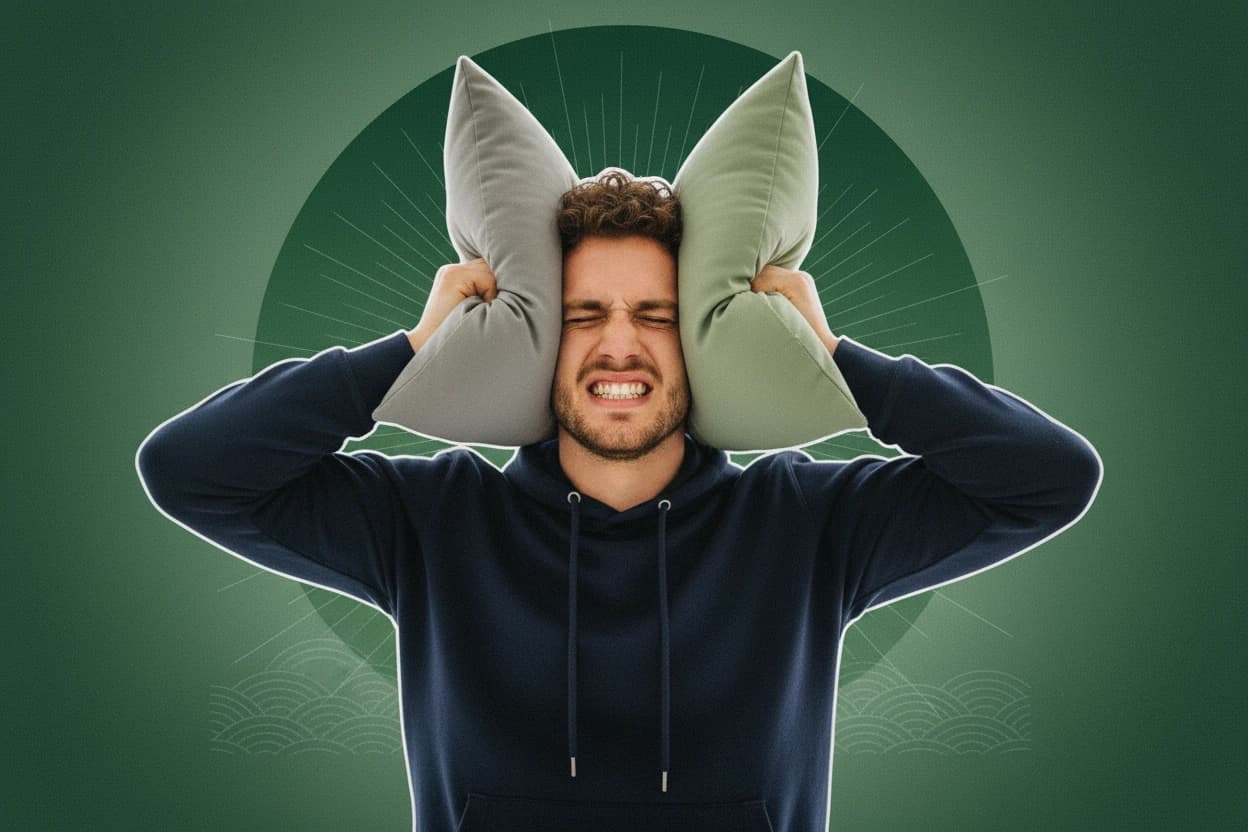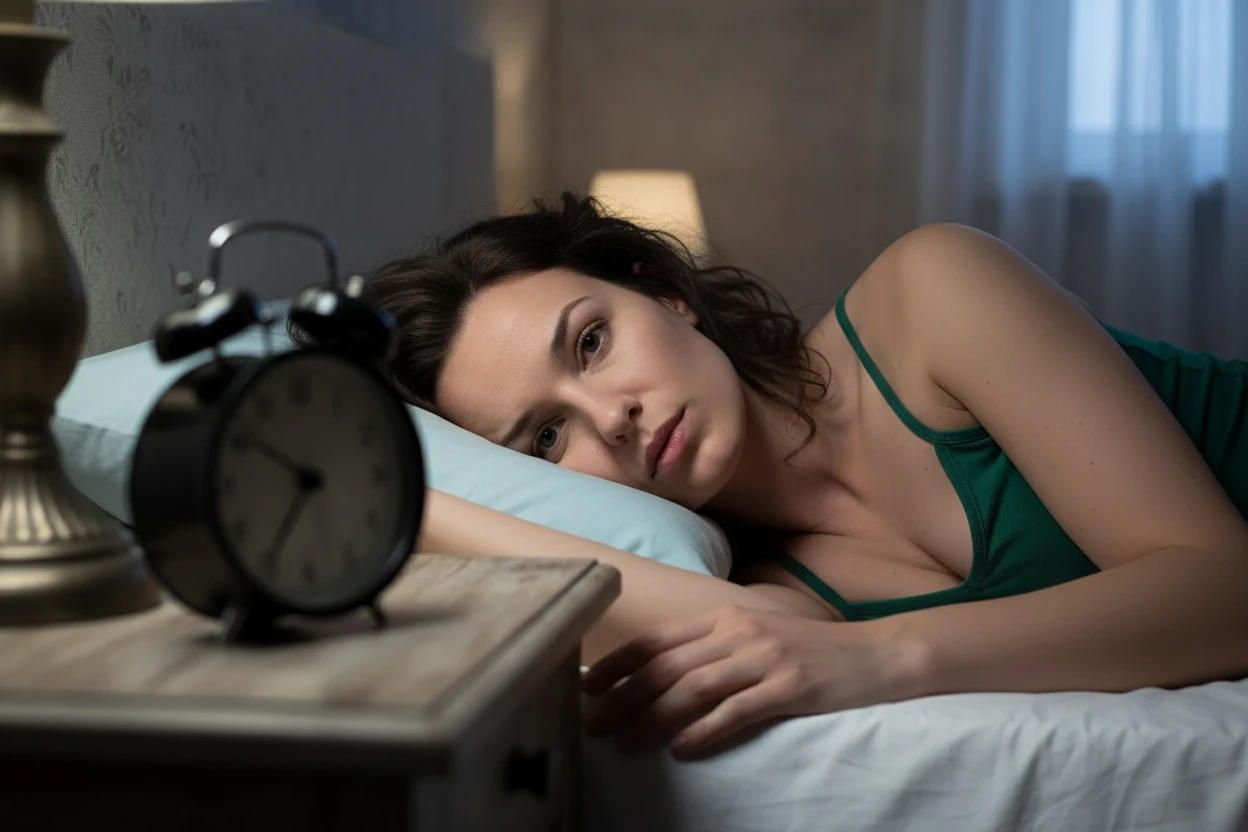
Sleep anxiety affects millions of people, often creating a challenging cycle where worry about sleep leads to poor rest, which in turn increases anxiety1 . This condition is closely linked to common mental health disorders like generalized anxiety disorder and insomnia, making it a significant concern for overall well-being2 . Understanding the symptoms, causes, and effective coping strategies can help break this cycle and improve both sleep quality and mental health3 .
Sleep Anxiety Symptoms
Sleep anxiety is characterized by feelings of stress or fear related to falling asleep or staying asleep2 . People experiencing sleep anxiety may notice both emotional and physical symptoms that interfere with their ability to rest.
Common symptoms include:
- Racing or overwhelming thoughts that prevent relaxation1
- Difficulty concentrating or irritability during the day due to poor sleep2
- Physical signs such as a fast heartbeat, shallow breathing, muscle tension, restlessness, and sweating before bedtime4
- Gastrointestinal problems like an upset stomach1
- Nighttime panic attacks that abruptly awaken individuals from sleep1
- Feelings of impending doom or nervousness when trying to sleep1
Sleep anxiety often leads to a vicious cycle where worry about sleep worsens the ability to fall asleep, which then increases stress and anxiety1 . This cycle can cause frequent awakenings and restless sleep, further impairing daytime functioning2 .
Causes of Sleep Anxiety
Sleep anxiety arises from a complex interaction of factors, including sleep disorders, anxiety disorders, and various risk factors that increase vulnerability.
Insomnia
Insomnia is a key contributor to sleep anxiety. It is a disorder marked by difficulty falling asleep, staying asleep, or obtaining restful sleep despite adequate opportunity5 . Insomnia symptoms and short sleep duration can predict increased anxiety and worry, especially in response to stress6 . People with insomnia often develop anticipatory anxiety about bedtime, fearing another night of poor sleep, which perpetuates sleep anxiety1 .
Chronic insomnia disorder (CID) is frequently associated with generalized anxiety disorder (GAD), highlighting the overlap between sleep and anxiety conditions7 . Insomnia affects about 10 to 15% of the general population, with higher rates in older adults, females, and those with medical or psychiatric illnesses5 .
Anxiety Disorders
Anxiety disorders are among the most common mental health conditions and have a strong bidirectional relationship with sleep problems8 . Generalized anxiety disorder, panic disorder, social anxiety disorder, and post-traumatic stress disorder (PTSD) are all linked to difficulties with sleep3 .
Anxiety causes the body to release stress hormones that increase alertness, making it difficult to relax and fall asleep1 . People with anxiety disorders often experience mental hyperarousal and rumination at night, which disrupts sleep and can provoke nightmares or disturbing dreams during rapid eye movement (REM) sleep3 . This disturbed sleep further exacerbates anxiety symptoms, creating a feedback loop9 .
Risk Factors for Sleep Anxiety
Several factors increase the risk of developing sleep anxiety, including:
- Existing sleep disorders such as insomnia, restless legs syndrome, or sleep apnea2
- Mental health disorders including anxiety, depression, mood disorders, and substance use disorders2
- Stressful life events or chronic stress1
- Poor sleep hygiene and irregular sleep schedules3
- Use of stimulants like caffeine or nicotine close to bedtime10
- Genetic predisposition and history of trauma2
Sleep anxiety can affect people of all ages, including children, teens, and adults, and may worsen with age or medical comorbidities5 .
When to See a Doctor
While occasional anxiety about sleep is common, persistent or severe sleep anxiety warrants medical attention. You should consider seeing a healthcare provider if you experience:
- Difficulty falling or staying asleep at least three nights per week11
- Significant daytime fatigue, irritability, or trouble concentrating1
- Excessive worry about sleep that feels uncontrollable1
- Frequent panic attacks, nightmares, or heightened nighttime anxiety1
- Dependence on alcohol, medications, or sleep aids to fall asleep1
Sleep anxiety often coexists with psychiatric and medical conditions, and untreated sleep problems can worsen anxiety and overall health12 . Early intervention can prevent the cycle of anxiety and poor sleep from becoming chronic1 .
“Often, it's a feedback loop causing the issue. You have insomnia and it leads to anxiety, or you have anxiety and it causes insomnia. The loop can worsen both conditions.”
— Brittany Loomis10
Diagnosing Sleep Anxiety
Sleep anxiety is not an official medical diagnosis but is recognized as a symptom complex related to anxiety and sleep disorders8 . Diagnosis involves a thorough evaluation by a healthcare provider, including:
- Reviewing medical history and sleep patterns8
- Physical examination to rule out medical causes8
- Detailed questions about anxiety symptoms and sleep habits, including bedtime routines and nighttime awakenings8
- Sleep diaries to track sleep quality and behaviors over time1
In some cases, a sleep study (polysomnogram) may be ordered to assess for underlying sleep disorders such as obstructive sleep apnea or movement disorders that impact sleep quality8 . This test monitors brain waves, eye movements, breathing, heart rate, and other physiological parameters during sleep8 .
Insomnia disorder is diagnosed when sleep difficulties occur at least three nights per week for three months or longer, causing significant distress or impairment11 . Chronic insomnia is often linked with generalized anxiety disorder, especially in older adults13 7.
Overcoming Sleep Anxiety
Managing sleep anxiety involves a combination of lifestyle changes, therapy, and sometimes medication. Although sleep anxiety itself is not a formal diagnosis, addressing the underlying anxiety and sleep problems can improve symptoms8 .
Key strategies include:
- Establishing a consistent sleep schedule with regular bedtimes and wake times8
- Creating a sleep-friendly environment that is dark, cool, quiet, and comfortable8
- Avoiding caffeine, alcohol, and heavy meals before bedtime8
- Engaging in relaxing activities before bed such as reading, meditation, or gentle breathing exercises8 14
- Limiting screen time at least 30 minutes before sleep to reduce stimulation8 3
- Writing down worries before bedtime to clear the mind8
“CBT for insomnia (CBT-I) is typically the best treatment for sleep anxiety and insomnia. If it's unavailable to you, working with a psychologist to reduce anxiety may help improve sleep as well. Keeping a consistent sleep schedule, exercising, and avoiding too much time in bed (around 8 hours for adults) may also help.”
— Daniel Combs2
Cognitive behavioral therapy for insomnia (CBT-I) is considered the first-line treatment for sleep anxiety and insomnia. CBT-I helps individuals change negative thoughts and behaviors related to sleep, retrain the mind to associate the bed with rest, and develop relaxation techniques8 2.
Medications may be prescribed to treat anxiety or sleep disorders but should be used cautiously as some can worsen anxiety or cause dependence8 . Over-the-counter sleep aids should only be used under medical supervision8 .
Relaxation techniques such as progressive muscle relaxation and gentle breathing exercises can reduce stress hormones and prepare the body for sleep14 .
“One of most important strategies we teach is relaxation. If your mind is relaxed before you go to bed, there's less chance that anxiety and stress will wake you up in the middle of the night.”
— Brittany Loomis10
Key Takeaways
- Sleep anxiety involves worry or fear about falling or staying asleep and often leads to a cycle of poor sleep and increased anxiety1 .
- Insomnia and anxiety disorders are closely linked, with each condition potentially worsening the other6 7.
- Risk factors include existing sleep or mental health disorders, stress, poor sleep habits, and stimulant use2 10.
- Seek medical advice if sleep anxiety causes frequent insomnia, daytime impairment, or severe anxiety symptoms1 .
- Cognitive behavioral therapy for insomnia (CBT-I), good sleep hygiene, relaxation techniques, and sometimes medication are effective treatments8 210.