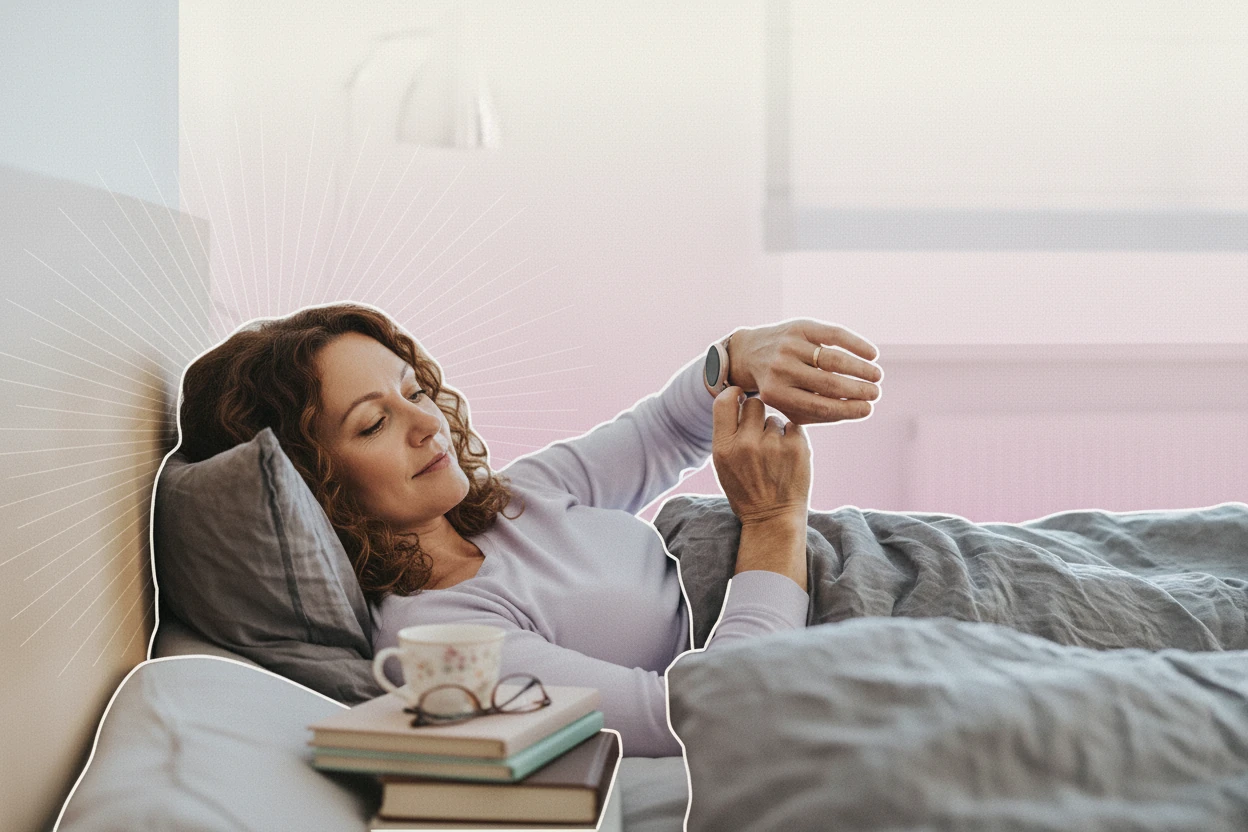
Sleep is a vital part of health, yet an estimated 40% of Australians and many others worldwide do not get enough quality sleep, with chronic insomnia affecting about one in ten people1 . Consumer sleep trackers have become popular tools that help individuals monitor their sleep habits and raise awareness about the importance of healthy sleep patterns1 . These devices offer a convenient way to gather personalized sleep data, which can motivate users to improve their sleep behaviors and better understand their sleep health2 .
How Sleep Trackers Measure Sleep
Sleep trackers come in various forms, including wearable devices like wristbands and rings, non-wearable sensors placed near or under the bed, and smartphone apps that require user input about sleep and lifestyle3 4. These devices use multiple sensors to estimate sleep parameters indirectly, as they do not measure brain activity directly like clinical sleep studies do4 .
Common sensor types include:
- Accelerometers and gyroscopes: Detect body movements to infer sleep and wake periods5 6.
- Photoplethysmography (PPG): Uses light reflection to estimate heart rate and heart rate variability, which serve as proxies for sleep stages7 6.
- Environmental sensors: Monitor bedroom conditions such as ambient noise, light, and temperature that may affect sleep quality8 9.
- Ballistocardiography: Used by some under-mattress trackers to detect subtle movements caused by heartbeats6 .
The raw data collected by these sensors are processed through proprietary algorithms integrated into smartphone apps. These algorithms estimate total sleep time, sleep efficiency (the percentage of time in bed spent asleep), and differentiate sleep stages such as REM (rapid eye movement), deep, and light sleep10 114. Some apps also prompt users to enter information about factors influencing sleep, such as caffeine intake, meal timing, and stress levels12 .
During a typical night, sleep cycles through stages approximately every 90 to 110 minutes, including light sleep (Stages 1 and 2), deep sleep (Stages 3 and 4), and REM sleep, which is associated with dreaming and memory processing12 . Sleep trackers estimate these stages indirectly by analyzing movement and heart rate patterns, but they cannot directly measure brain waves, which are the gold standard for sleep stage classification12 .
💡 Did You Know?
Activity trackers can shine a light on your biggest source of inactivity: sleep. Sleep trackers monitor sleep duration by tracking the time you're inactive12 .
Sleep Tracker Accuracy and Reliability
Polysomnography (PSG) is the clinical gold standard for measuring sleep, capturing brain waves, respiration, muscle activity, heart rate, and oxygen levels13 . Consumer sleep trackers, while convenient and accessible, have limitations in accuracy when compared to PSG or research-grade actigraphy devices10 13.
Key findings on accuracy include:
- Consumer devices generally show high sensitivity (>90%) for detecting sleep periods, meaning they are good at identifying when a person is asleep10 14.
- These devices have lower specificity for wake detection, often misclassifying wakefulness as sleep, which leads to an overestimation of total sleep time10 1314.
- Accuracy in detecting sleep stages (light, deep, REM) is moderate to low, with frequent misclassification between stages11 15.
- The accuracy of sleep stage measurement depends on factors such as the specific device, the sleep stage itself, the time spent in that stage, and individual differences15 .
- Wearables that combine accelerometry and PPG sensors have achieved sleep stage classification accuracies between 65% and 75%, while pressure- and radar-based systems can reach up to 80% accuracy for light and deep sleep detection15 .
- Some devices show substantial agreement with PSG for total sleep time and certain sleep stages, but performance varies widely across different consumer sleep trackers16 .
Our study showed that among the 11 CSTs examined, specific CSTs showed substantial agreement with polysomnography, indicating their potential application in sleep monitoring16 .
| Device Type | Strengths | Limitations |
|---|---|---|
| Wearables (rings, wristbands) | High sensitivity for sleep detection; heart rate variability monitoring | Overestimate sleep time; moderate sleep stage accuracy10 716 |
| Non-wearables (bedside, under-mattress) | Detect movement and breathing patterns; less intrusive | Variable accuracy for sleep latency and efficiency17 1816 |
| Apps (user input-based) | Useful for lifestyle tracking and subjective data | Dependent on user compliance; no direct physiological data3 4 |
Certain populations, such as individuals with obesity, heart rhythm disorders, or darker skin tones, may experience less accurate data collection due to sensor limitations6 . Additionally, proprietary algorithms used by manufacturers are not always scientifically validated, contributing to variability in results6 .
The accuracy of device-measured sleep stages depends on many factors, including the sleep stage, the device, time spent in that sleep stage, and the individual15 .
Benefits of Using Sleep Trackers
Despite their limitations, consumer sleep trackers offer several benefits, especially for healthy individuals interested in monitoring sleep patterns over time14 2. They provide objective data that can increase awareness of sleep habits and encourage behavioral changes to improve sleep quality19 1.
Benefits include:
- Providing reasonable estimates of total sleep time compared to polysomnography14 .
- Helping users detect sleep disruptions such as tossing and turning or waking during the night12 .
- Offering insights into sleep efficiency and timing, which can guide improvements in sleep hygiene9 .
- Monitoring environmental factors that may affect sleep, such as noise and temperature8 .
- Increasing motivation to maintain consistent sleep schedules and reduce factors that impair sleep, like caffeine or screen use before bedtime19 20.
They’ve certainly improved awareness around the importance of sleep and around healthy sleep patterns so overall, they’ve probably had a positive effect1 .
Sleep trackers are especially useful for:
- Individuals with irregular work schedules or shift work.
- Athletes and fitness enthusiasts seeking to optimize recovery.
- People curious about how lifestyle choices affect their sleep4 .
However, sleep trackers are not diagnostic tools and cannot replace clinical evaluation for sleep disorders20 . They are best used as part of a broader approach to sleep health management.
If we can engage people to go to bed with a purpose, to turn out the light and go to sleep and improve their sleep habits by engaging in the conversation, it’s a good thing for the health trackers to be doing1 .
Should You Track Your Sleep?
Sleep trackers can be valuable tools for increasing sleep awareness and promoting healthier sleep habits. Surveys show that many users find these devices helpful and report changing their sleep behaviors based on the data21 192. However, the clinical utility of sleep tracker data depends on proper interpretation and integration with established sleep health guidelines17 .
Considerations when deciding to track your sleep include:
- Sleep trackers can motivate behavioral changes by providing objective feedback on sleep patterns19 .
- Users should focus on long-term trends rather than nightly fluctuations to avoid overinterpreting data20 .
- Overreliance on device data without professional input may lead to misinterpretation or increased anxiety about sleep21 .
- Individuals prone to sleep-related anxiety or obsessive behaviors may experience orthosomnia, a condition where excessive focus on sleep metrics worsens sleep quality21 22.
- Taking breaks from sleep tracking is advisable if reviewing data causes frustration or stress22 .
Orthosomnia is a term for obsessive behavior over sleep tracker data trying to get a perfect night's sleep. Being obsessed with sleep trackers contributes to sleep anxiety and insomnia22 .
Sleep trackers should be viewed as adjuncts to sleep management rather than replacements for clinical evaluation or behavioral therapy19 . For chronic sleep concerns or suspected sleep disorders, consulting a healthcare professional remains essential.
Tips for using sleep trackers effectively:
- Use data to identify patterns and potential areas for improvement.
- Combine device insights with how rested and energetic you feel during the day.
- Avoid obsessing over exact sleep stage percentages or nightly scores.
- Share relevant data with your healthcare provider if seeking professional advice.
- Maintain a balanced approach and realistic expectations about what sleep trackers can reveal4 9.