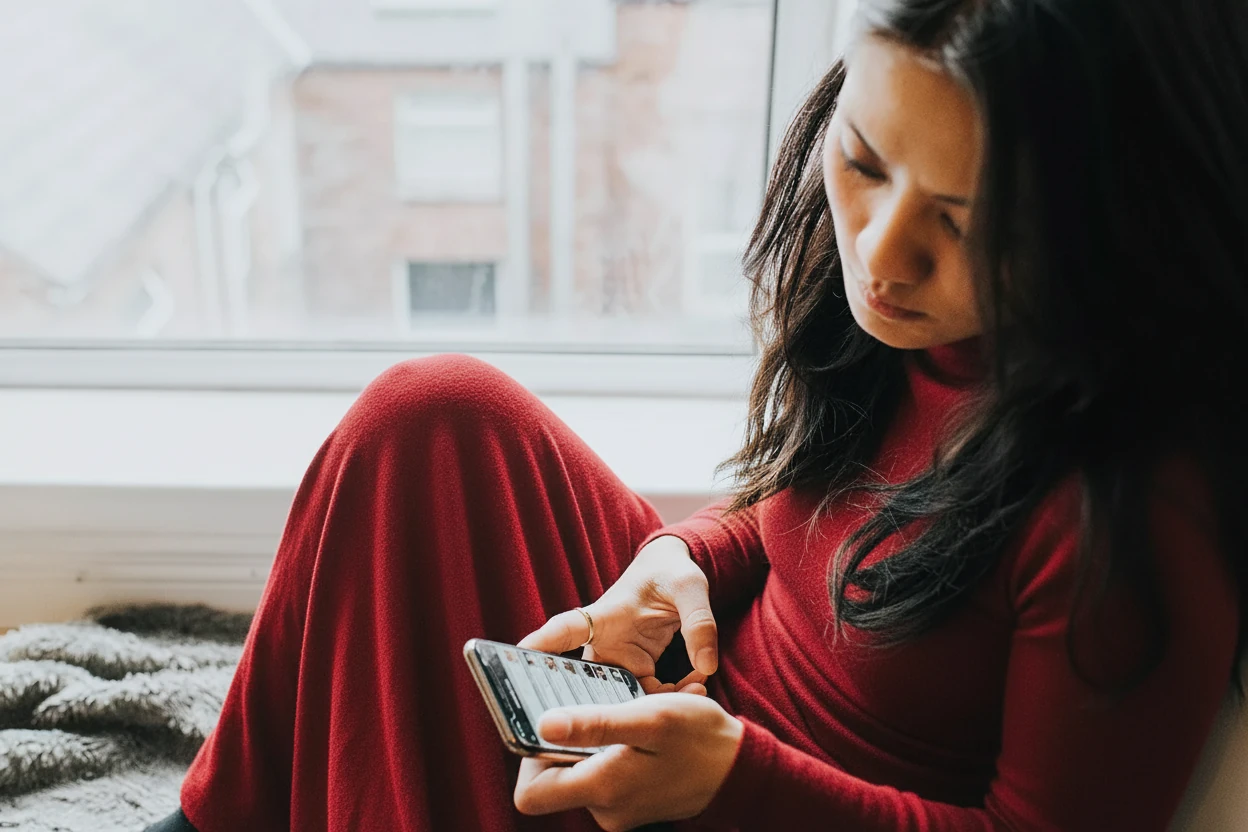
Social media use has surged dramatically, especially among young people, with nearly half of teens reporting almost constant internet use and 9 in 10 teens engaging daily on social platforms1 . While social media offers opportunities for connection and self-expression, excessive use has been linked to rising rates of anxiety and depression, particularly among youth2 . Taking breaks from social media or limiting daily use to moderate amounts can significantly improve mental health outcomes such as reducing stress, anxiety, and depressive symptoms3 .
Social Media and Mental Health Risks
Excessive social media use is strongly associated with increased risks of anxiety, depression, and other psychiatric disorders in the general population4 52. This relationship is complex and influenced by multiple factors including biological, social, and environmental determinants beyond social media itself4 . Social media platforms often promote social comparison, where users measure their worth by likes, followers, and curated images, which can lead to stress, low self-esteem, and depressive symptoms4 5. The fear of missing out (FOMO) is another common consequence, making users feel excluded or inadequate compared to others’ seemingly exciting lives5 .
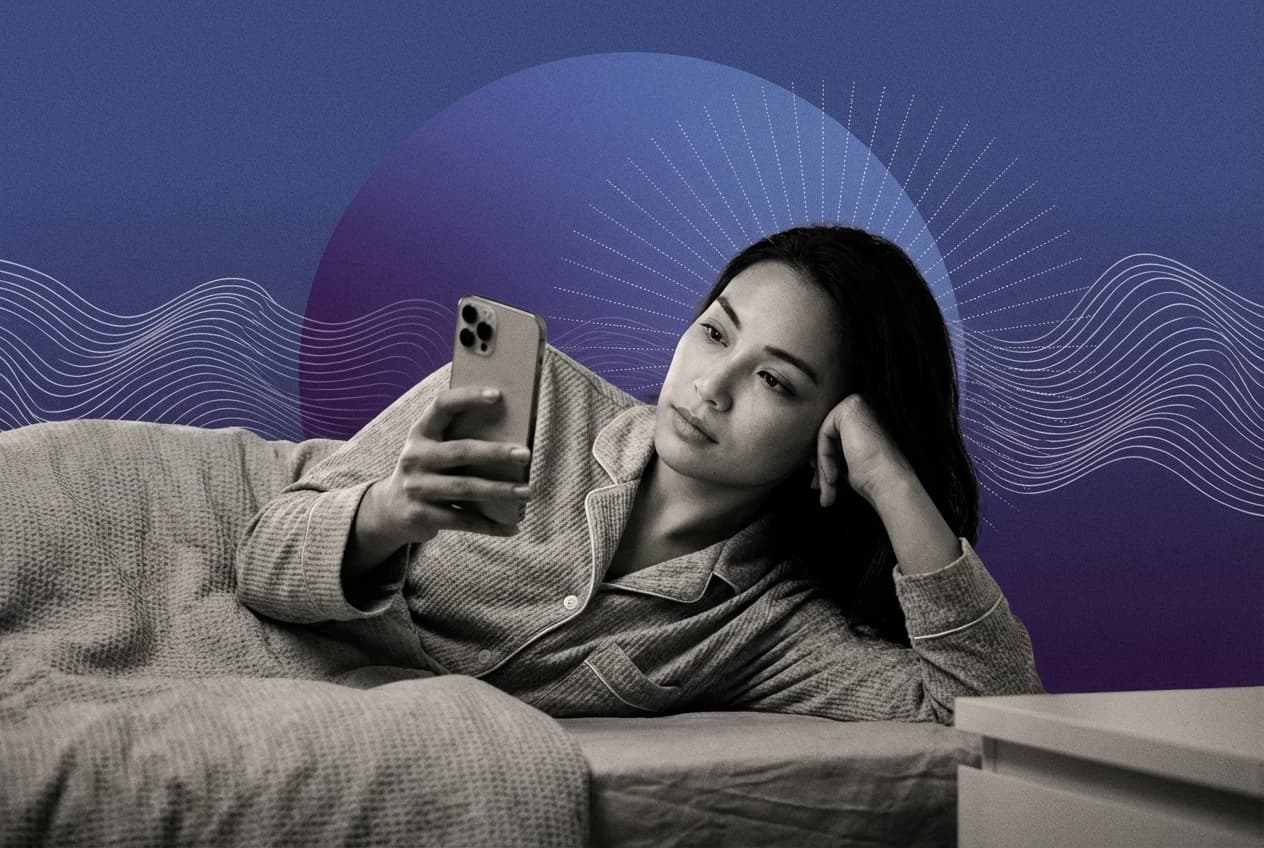
Social media use can also disrupt healthy behaviors that protect mental health. For example, excessive screen time may reduce physical activity and outdoor time, both of which help alleviate depressive symptoms1 . Sleep deprivation is a frequent side effect of late-night social media use, further worsening mood and anxiety1 . Moreover, social media can expose users to cyberbullying, negative content, and unrealistic expectations, which contribute to emotional distress1 .
Despite these risks, social media also offers important benefits, especially for marginalized groups. It can provide access to supportive communities, affirm identities, and encourage help-seeking behaviors for mental health challenges6 1. During the COVID-19 pandemic, online connections became vital for maintaining social ties and buffering stress4 6.
Research suggests that moderate social media use—approximately 30 to 60 minutes daily—is optimal for mental health, balancing the benefits of connection with minimizing harmful effects5 . Mindful and purposeful engagement, rather than complete abstinence, supports well-being4 5.
| Factor | Impact on Mental Health | Evidence Source |
|---|---|---|
| Excessive social media use | Increased anxiety, depression | 452 |
| Social comparison & validation | Stress, anxiety, depression | 45 |
| Fear of missing out (FOMO) | Anxiety, low mood | 5 |
| Social support via social media | Positive for marginalized groups | 6 |
| Optimal use duration | 30-60 minutes/day | 5 |
Celebrity Social Media Experiences
Celebrities face unique and intense pressures on social media that differ from average users. Their large public audiences and constant scrutiny increase stress and anxiety related to their online presence7 8. Unlike typical users who interact within smaller, more personal networks, celebrities must manage a high volume of interactions, public commentary, and expectations about their appearance and behavior7 .
Social media often becomes an extension of a celebrity’s career, serving as a marketing platform that demands frequent self-promotion7 . This dual role can exacerbate anxiety and mental health challenges, as public exposure magnifies negative feedback and limits privacy7 8. Some celebrities openly share their mental health struggles, which helps reduce stigma and encourage others to seek help9 1011.
To protect their well-being, many celebrities choose to take breaks from social media or reduce their usage. For example, Tom Holland left social media to preserve his mental health, while Jonah Hill announced he would stop public-facing events, including social media promotion, to manage anxiety attacks8 12. Therapy and self-discovery often lead to decisions to step back from online platforms to prioritize mental health7 8.
“Social media doles out alienation as liberally as it promotes connection, and causes anxiety just as often as it offers support.”
— Mary McNamara, Los Angeles Times8
Harmful Effects of Social Media
“Jonah Hill has suffered from anxiety attacks for 20 years, which were exacerbated by media appearances and public-facing events.”
— BBC News12
Social media can become harmful when it intensifies emotional distress, especially through social comparison and public scrutiny. The constant quantification of social interactions via likes, followers, and comments can increase psychological stress and self-criticism4 53. This self-criticism is linked to anxiety, depression, substance use, eating disorders, and self-harm3 .
For celebrities, the stakes are higher due to the large public audience and marketing demands, which increase social media stress compared to average users7 . Intense scrutiny about appearance and behavior can exacerbate anxiety and lead to negative mental health outcomes7 13. The pressure to be constantly available and responsive online contributes to burnout and emotional exhaustion4 7.
Among the general population, social media use can disrupt daily life and offline relationships. It may replace face-to-face interactions, leading to social isolation and loneliness14 . Exposure to cyberbullying, misinformation, and negative content can harm mental health and threaten employment or personal relationships14 . Sleep disturbances caused by late-night social media use further worsen anxiety and depression1 .
People often say that it makes them feel like there’s some wonderful thing going on that they’re missing out on16 .
Signs that you may need a social media break include:
- Feeling upset if posts receive few likes or comments15
- Feeling obligated to post frequently or track followers15
- Comparing yourself negatively to others’ posts about appearance or career15
- Experiencing anger, frustration, or anxiety from social media content15
- Mindlessly scrolling multiple times daily, even when not intended15
- Checking social media during in-person social activities15
- Feeling unhappy or anxious in places without phone access15
- Trouble sleeping or increased anxiety and depression symptoms15
Taking a break from social media for 3 to 7 days can significantly reduce stress, anxiety, depression, and body image concerns3 . Limiting daily social media use to 15-30 minutes also lowers depression, anxiety, and FOMO3 15. Strategies to reduce use include deleting apps, turning off notifications, switching phone displays to grayscale, or keeping phones out of reach3 15.
💡 Did You Know?
Following celebrities on social media is associated with poor mental health, including body image dissatisfaction and drive for thinness13 .
Setting Healthy Social Media Boundaries
Establishing personal boundaries around social media use is essential for protecting mental health. Research shows that both heavy use and very low use of social media are linked to higher rates of depression, indicating a “sweet spot” of moderate use tailored to individual needs1 . Mindful engagement and moderation, rather than complete abstinence, support better mental health outcomes4 5.
To set healthy boundaries, consider the following strategies:
Social media can be used in ways that may be beneficial. For example, many children and teens may find a community that is more accepting of who they are and their identities than their immediate family or school environment1 .
- Limit social media use to 30-60 minutes per day to reduce negative effects5 3
- Use apps or smartphone features to track and restrict screen time15 16
- Turn off social media notifications to reduce temptation15 16
- Designate phone-free times or spaces, such as during meals or before bed1 15
- Replace social media time with hobbies, exercise, or in-person social interactions3 15
- Observe emotional responses while using social media to identify triggers16
- Take periodic breaks from social media, ranging from a day to a week or more3 17
These steps can help reduce social comparison, self-criticism, and anxiety related to social media use. A one-week break has been shown to improve well-being, reduce depression and anxiety, and increase self-compassion, especially in heavy users3 17. After a break, creating new routines that limit impulsive checking and promote purposeful use can sustain mental health benefits16 .
Social media also offers valuable social support, particularly for marginalized groups and individuals with mental illness6 14. Online communities can foster connection, self-disclosure, and access to mental health resources. However, users should remain aware of risks such as exposure to harmful content and privacy concerns14 . Mental health interventions delivered via social media require moderation by trained professionals to ensure safety and effectiveness14 .