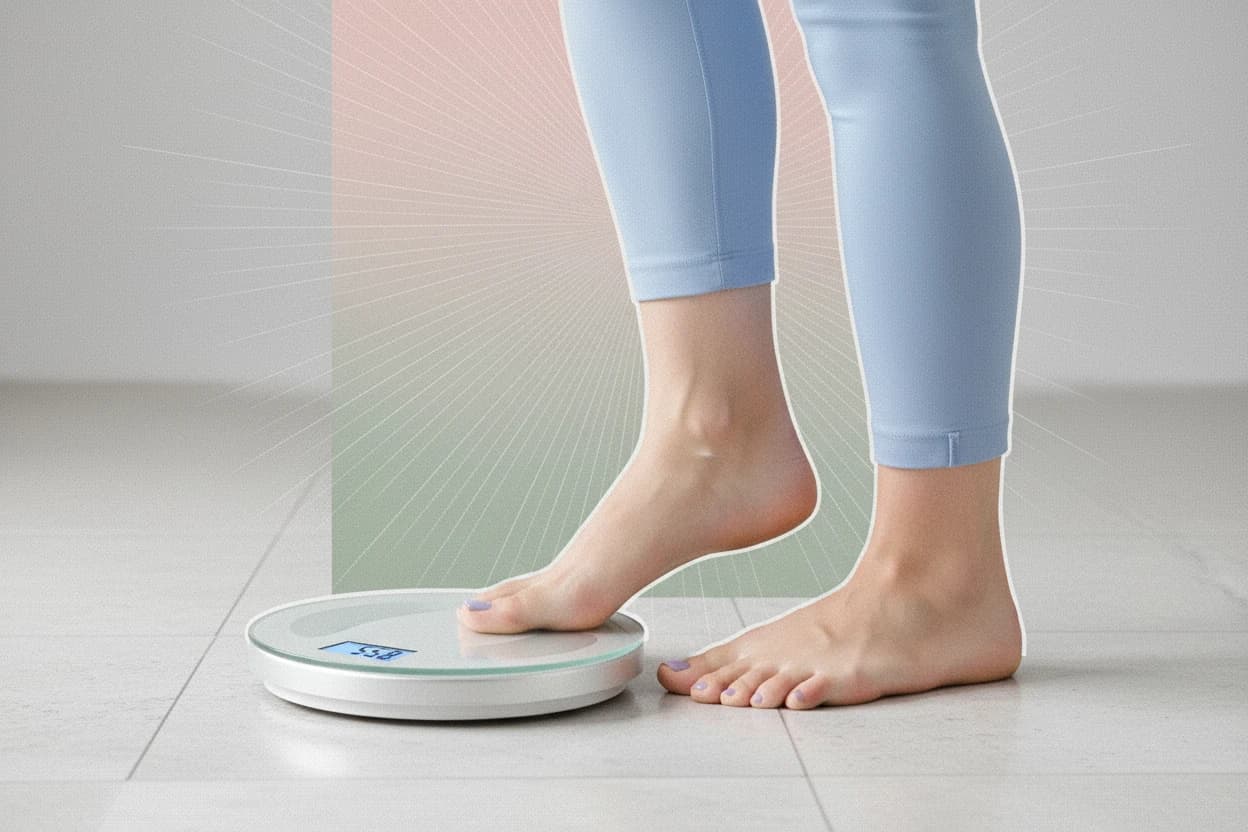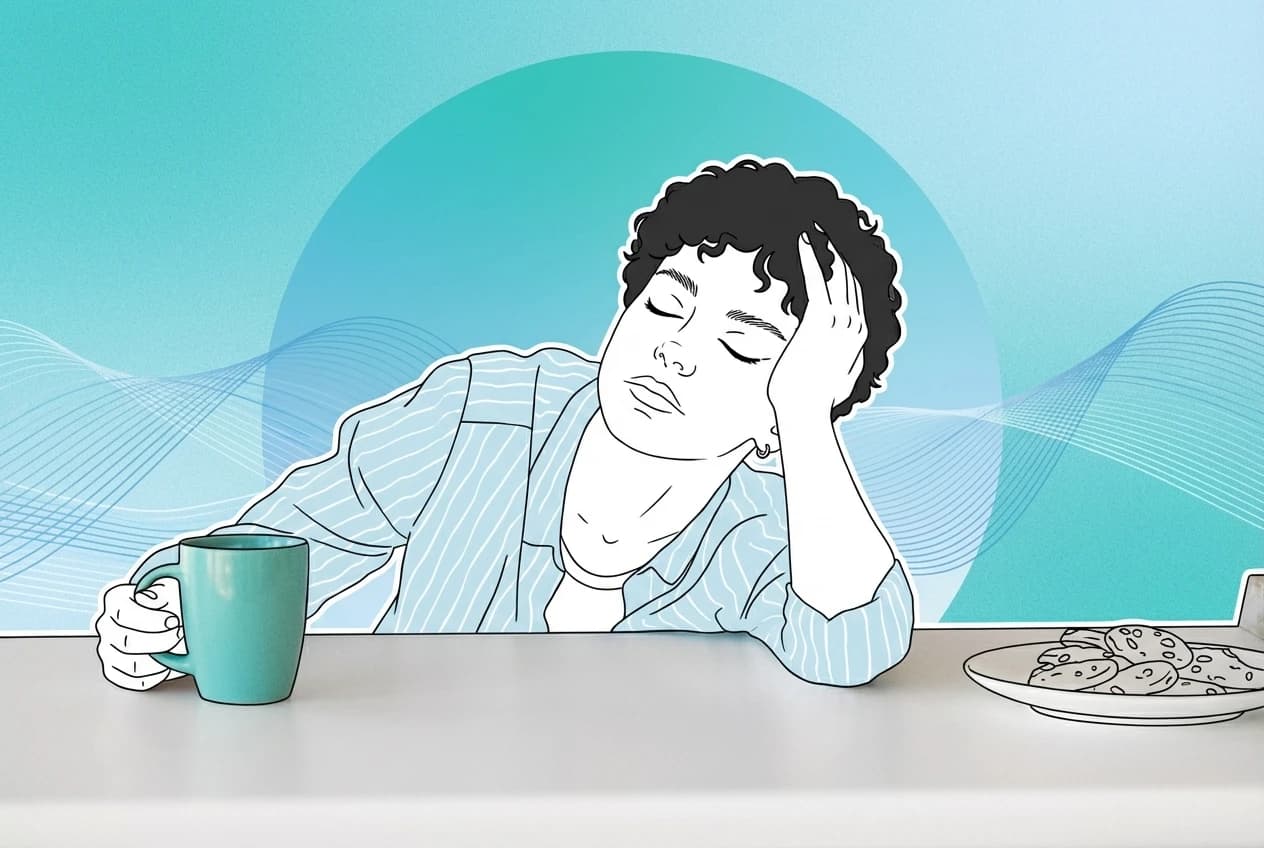
Many people who take Ozempic, a medication originally approved for type 2 diabetes, use it to manage weight and blood sugar levels. However, stopping Ozempic often leads to the return of hunger and cravings, which can cause weight regain and changes in metabolic health1 2. Understanding what happens when you stop this medication is crucial for managing your health effectively3 .
Effects of Stopping Ozempic
Ozempic (semaglutide) is a GLP-1 receptor agonist that works by delaying gastric emptying and suppressing appetite, leading to weight loss and improved blood sugar control4 5. When you stop taking Ozempic, the medication gradually leaves your system over about five weeks, and its effects on appetite and blood sugar begin to reverse6 . This leads to several physiological changes:
- Gastric motility returns to normal, which means food moves through your stomach faster, increasing hunger and food intake7 3.
- Appetite and cravings often increase significantly, sometimes referred to as "food noise," making it harder to maintain weight loss8 9.
- Weight regain is common, with most people regaining about two-thirds of the weight they lost within one year of stopping Ozempic10 83.
- Blood sugar levels may rise, especially in people with type 2 diabetes, leading to worsened glycemic control and symptoms such as excessive thirst, urination, fatigue, headaches, and blurry vision5 113.
- Cardiometabolic risk factors, including blood pressure and cholesterol levels, may worsen after discontinuation12 813.
- Some patients have reported mood changes, including depressive symptoms, after stopping semaglutide14 .
These changes highlight the biological drive to regain weight after medication withdrawal, as the body adapts by increasing hunger hormones and reducing feelings of fullness9 6.
With the changes of active ingredient levels, you will likely feel the changes of the blood sugar as well which can affect the way you feel about cravings and have effects on your overall appetite3 .
Why You Shouldn't Stop at Goal Weight
Stopping Ozempic does not cause true withdrawal symptoms like those seen with addictive substances, but the return of hunger and metabolic changes can feel challenging. Weight regain and increased appetite are the most common effects, especially within the first year after stopping15 6.
Many patients consider stopping Ozempic once they reach their target weight, but this approach carries risks. The medication’s benefits on appetite suppression and metabolic health rely on continued use, and stopping prematurely can reverse these gains.
- Discontinuing semaglutide often leads to weight regain due to the loss of appetite suppression12 8.
- Cardiometabolic risk factors such as blood glucose, blood pressure, and cholesterol tend to worsen after stopping Ozempic, paralleling weight regain12 8.
- The return of normal gastric emptying increases hunger and food intake, making it difficult to maintain weight loss without ongoing treatment7 8.
- For people with type 2 diabetes, stopping Ozempic may worsen glycemic control, increasing the risk of diabetes-related complications5 .
- Mood changes, including depressive symptoms, have been reported in some patients after discontinuation, possibly related to weight regain and metabolic shifts14 .
The STEP 1 trial extension showed that after 68 weeks of semaglutide treatment, patients who stopped the medication regained about two-thirds of their lost weight within 52 weeks, and many experienced worsening cardiometabolic markers10 128. However, some patients maintained a clinically meaningful 5% weight loss, which is associated with health improvements8 .
💡 Did You Know?
Ozempic mimics a gastrointestinal hormone called GLP-1, which helps reduce hunger and cravings by slowing digestion and signaling fullness to the brain1 .
Preparing to Stop Ozempic Treatment
If you and your healthcare provider decide to stop Ozempic, preparation is key to minimizing negative effects and maintaining your health gains.
Nearly 65% of people who start GLP-1 medications for weight loss stop within a year, often due to side effects or cost. Planning ahead and using support strategies can improve your chances of maintaining health benefits after stopping16 9.
- Patients often discontinue semaglutide due to side effects such as nausea, constipation, or abdominal pain, as well as cost concerns5 16.
- Long-term use of semaglutide is recommended to sustain weight loss and glycemic control; short-term treatment often results in weight regain after stopping12 8.
- Lifestyle interventions, including diet and exercise, are critical to maintaining weight loss after discontinuation8 6.
- Nutritional counseling and behavioral support can help manage increased appetite and cravings once the medication is stopped8 .
- Regular medical follow-up is important to monitor blood sugar, blood pressure, and cholesterol levels, especially for people with type 2 diabetes5 8.
- Alternative glucose-lowering therapies may be necessary for diabetic patients to maintain glycemic control after stopping semaglutide5 .
- Using tools like food diaries and participating in diet education programs can improve adherence to lifestyle changes and help control caloric intake8 .
Tips for a smoother transition off Ozempic:
- Discuss a gradual tapering plan with your healthcare provider to help your body adjust15 6.
- Focus on a high-protein, high-fiber diet to promote satiety and reduce hunger6 .
- Maintain regular physical activity to support weight maintenance and improve insulin sensitivity6 .
- Seek behavioral support or counseling to manage cravings and emotional challenges8 .
- Schedule frequent follow-ups to monitor metabolic health and adjust treatment as needed5 .