Hypoglycemia, or low blood sugar, is defined as a blood glucose level below 70 mg/dL and can cause symptoms such as shakiness, confusion, and in severe cases, unconsciousness1 2. It is most common in people with diabetes, especially type 1 diabetes, due to insulin use or medications that increase insulin secretion3 . Rapid treatment with fast-acting carbohydrates is essential to restore blood sugar levels and prevent complications4 5. This article explores the best foods and strategies to manage hypoglycemia effectively.
Glucose Gel for Hypoglycemia
Glucose gel is a fast-acting carbohydrate source designed to quickly raise blood glucose during hypoglycemic episodes5 . It is conveniently packaged in single-use tubes, making it easy to carry and use when needed5 . Each standard dose typically provides about 15 grams of carbohydrate, aligning with recommended treatment guidelines for low blood sugar5 . Glucose gel is especially useful for individuals who need a rapid glucose boost and can swallow safely.
Glucose Tablets for Low Blood Sugar
Glucose tablets are formulated to deliver a rapid source of glucose for treating hypoglycemia5 . They come in various flavors and are widely available at pharmacies and online5 . The carbohydrate content per tablet varies by manufacturer, so it is important to read labels carefully to ensure the correct dose5 . Proper use involves following the dosage instructions on the packaging to provide an effective carbohydrate amount, usually around 15 grams per treatment5 .
Hard Candies and Sweets
Sugary candies such as hard candies, jellybeans, and gumdrops are effective options for quickly raising blood glucose levels during hypoglycemia5 . Since different candies contain varying amounts of carbohydrates, checking nutritional labels is necessary to determine the appropriate quantity to consume5 . For example, approximately four Lifesavers candies provide the recommended 15 grams of carbohydrate for hypoglycemia treatment5 . These sweets are portable and easy to consume, making them practical for emergency use.
High-Glycemic Fruits
High-glycemic index (GI) fruits are effective for rapidly increasing blood glucose during hypoglycemia6 . The glycemic index ranks foods on a scale from 0 to 100 based on their impact on blood sugar levels after consumption, with scores above 70 considered high GI6 . Examples of portions providing about 15 grams of carbohydrate include 15 grapes, half a banana, or a small orange6 . Low-GI foods, which score below 55, contain more fiber and nutrients that slow glucose absorption and are less effective for quick correction of hypoglycemia6 .
Juice or Regular Soda
Small servings of fruit juice are recommended for rapid treatment of low blood sugar because they lack fiber, protein, and fat, allowing quick glucose absorption5 . Regular (non-diet) soda is also effective for rapidly raising blood sugar due to its high sugar content5 . Typical serving sizes for treatment include half a cup (4 ounces) of juice or regular soda, providing approximately 15 grams of carbohydrates5 . These liquids are convenient and fast-acting options during hypoglycemic episodes.
Sugar, Honey, or Syrup
Fast-acting sweeteners like sugar, honey, or maple syrup are advised for people with diabetes to have on hand for hypoglycemia treatment5 . A tablespoon of any of these sweeteners provides a quick carbohydrate boost to correct low blood sugar5 . Dissolving sugar in water can facilitate quicker consumption and absorption during hypoglycemia5 . These options are simple, readily available, and effective for rapid glucose elevation.
Causes of Low Blood Sugar
Diabetes
Hypoglycemia is most common in people with diabetes, particularly those with type 1 diabetes who use insulin therapy3 . These individuals have a threefold higher risk of hypoglycemia compared to those with type 2 diabetes3 . Blood sugar below 70 mg/dL is considered low, with symptoms typically appearing below 55 mg/dL2 . Insulin therapy is the primary risk factor for hypoglycemia in type 1 diabetes3 .
Antidiabetic Medications
Use of insulin and insulin secretagogues (medications that stimulate insulin release) are leading causes of hypoglycemia in diabetic patients3 . Excess insulin dosing is a common cause of low blood sugar episodes3 . Patients on these medications require careful monitoring and management to prevent hypoglycemia.
Diet
Skipping meals, eating less than usual, or delaying food intake can precipitate hypoglycemia, especially in people taking insulin or sulfonylureas7 8. Reactive hypoglycemia can also occur about 4 hours after a meal due to excessive insulin release following high carbohydrate intake8 . Consuming balanced meals with fiber, protein, and healthy fats helps maintain stable blood glucose and prevent lows8 9.
Less Common Causes
Hypoglycemia can occur in non-diabetic individuals due to conditions such as critical illness, adrenal insufficiency, or excessive alcohol consumption without adequate food intake10 7. Certain medications unrelated to diabetes may also cause hypoglycemia7 . It is important for non-diabetic individuals experiencing hypoglycemia to seek medical evaluation to identify underlying causes10 7.
Blood Sugar Management Strategies
15-15 Rule
The 15-15 rule is a widely recommended approach for managing mild to moderate hypoglycemia4 511. It involves:
- Consuming 15 grams of fast-acting carbohydrates.
- Waiting 15 minutes.
- Rechecking blood glucose levels.
- Repeating the process if blood sugar remains below 70 mg/dL.
This method helps restore blood sugar safely without causing excessive spikes4 . After normalization, following up with a balanced meal or snack containing protein and complex carbohydrates helps maintain stable glucose levels4 5.
Rapid-acting carbohydrates such as glucose tablets, juice, or candy are essential for quickly correcting low blood sugar and preventing severe hypoglycemia11 5.
Injectable Glucagon
“I was very much in denial about my type 1 diabetes. So much so that I pushed it to the side while I struggled with the very busy schedule of being a lead actress on a TV show in a foreign country. Unfortunately, this was the start of my many scary experiences with hypoglycemia. It wasn’t until my blood sugar went so low that I went unconscious that I finally started accepting my condition. Being diagnosed with diabetes came with a new set of challenges, but it didn’t have to disrupt my goals and aspirations. I realized that I could still live my life how I wanted to, as long as I made an effort to manage my condition properly.”
— Alexandra Park14
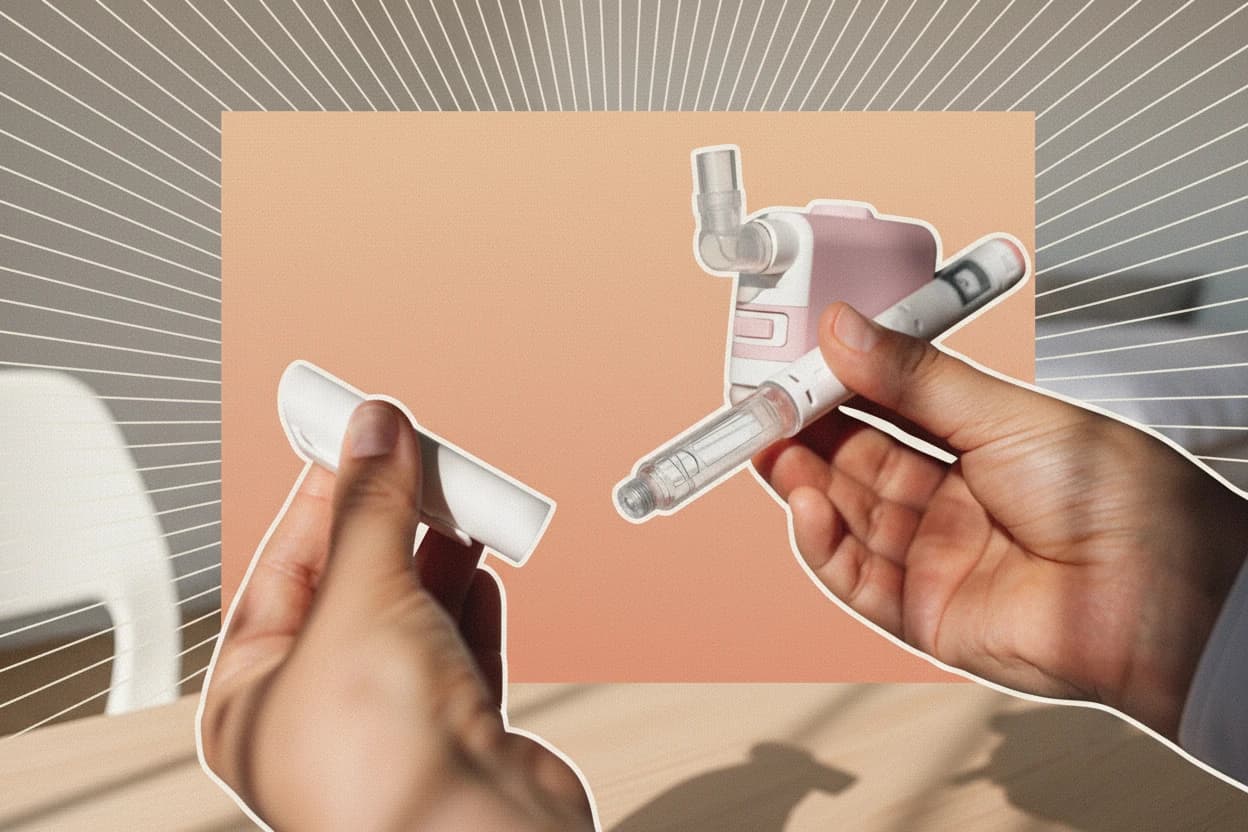
Severe hypoglycemia, defined as blood sugar below 55 mg/dL or when the person cannot safely consume carbohydrates orally, requires emergency treatment with injectable glucagon5 1211. Glucagon stimulates the liver to release stored glucose, rapidly raising blood sugar12 . Glucagon kits are available by prescription, and patients and caregivers should be trained in their use12 11. Emergency medical attention is essential after glucagon administration12 11.
Severe hypoglycemia can cause unconsciousness and requires urgent treatment. Injectable glucagon is the best way to treat severely low blood sugar when oral intake is not possible12 5.
Additional Hypoglycemia Tips
- Mild hypoglycemia is common in type 1 diabetes and can often be managed effectively with rapid-acting carbohydrates3 5.
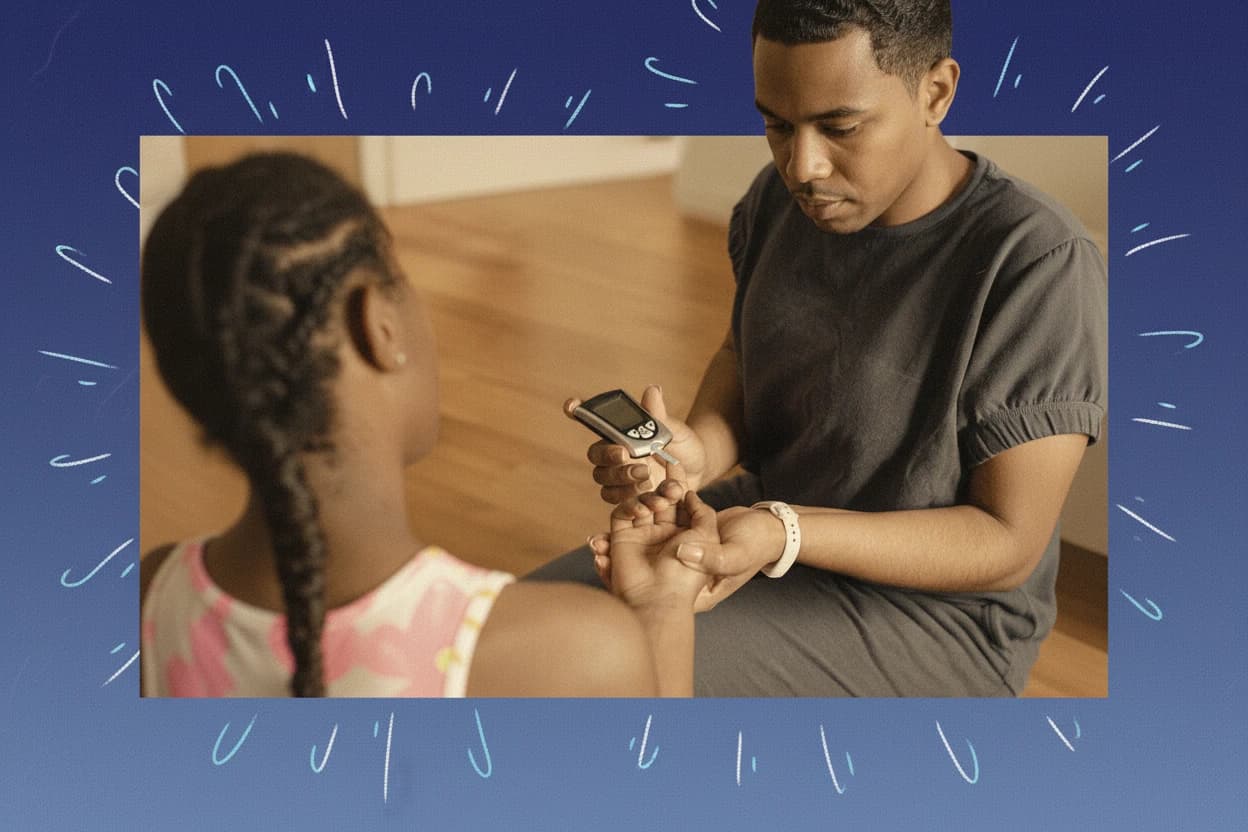
- Continuous glucose monitors (CGMs) help prevent and manage hypoglycemia by alerting users to low blood sugar trends13 .
- Limiting carbohydrate intake to 15 grams per treatment helps prevent rebound hyperglycemia4 .
- Excessive carbohydrate intake during treatment can cause blood sugar to spike above normal4 .
- Alcohol consumption can precipitate hypoglycemia, especially when consumed on an empty stomach; moderation and food intake are important3 .
- Caffeine may mimic hypoglycemia symptoms and should be consumed cautiously4 .
- Individualized diabetes management plans developed with healthcare professionals are essential to prevent recurrent hypoglycemia3 .
💡 Did You Know?
The 15-15 rule involves consuming 15 grams of carbohydrates and checking blood sugar after 15 minutes, repeating as needed until levels normalize11 .
Hypoglycemia Management Summary
Effective hypoglycemia management involves regular blood glucose monitoring and timely treatment with fast-acting carbohydrates3 5. The 15-15 rule is the cornerstone of mild to moderate hypoglycemia treatment4 5. For severe cases, injectable glucagon is a life-saving intervention12 . A balanced diet with nutrient-rich foods, small frequent meals, and avoidance of excessive alcohol and caffeine supports stable blood sugar control3 89. Working closely with healthcare providers to tailor treatment plans reduces the risk of hypoglycemia and improves overall diabetes management3 .