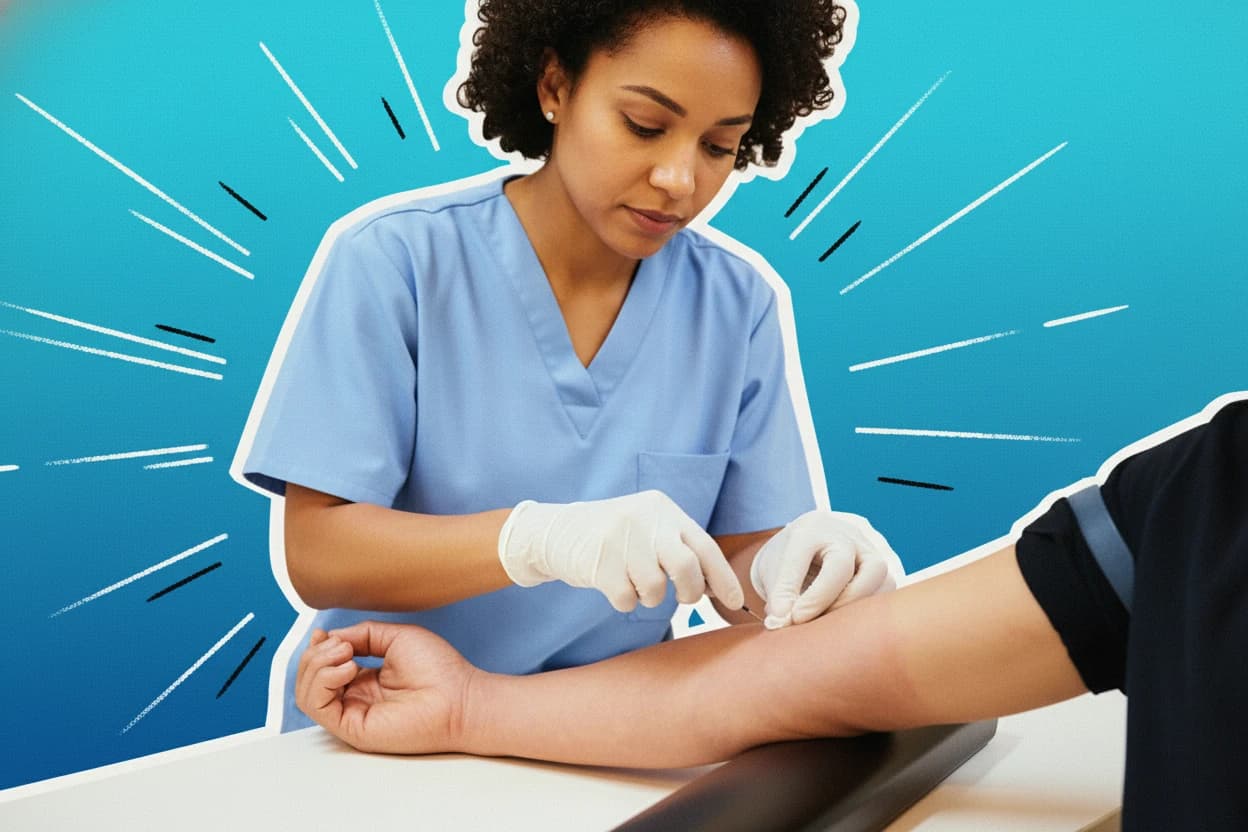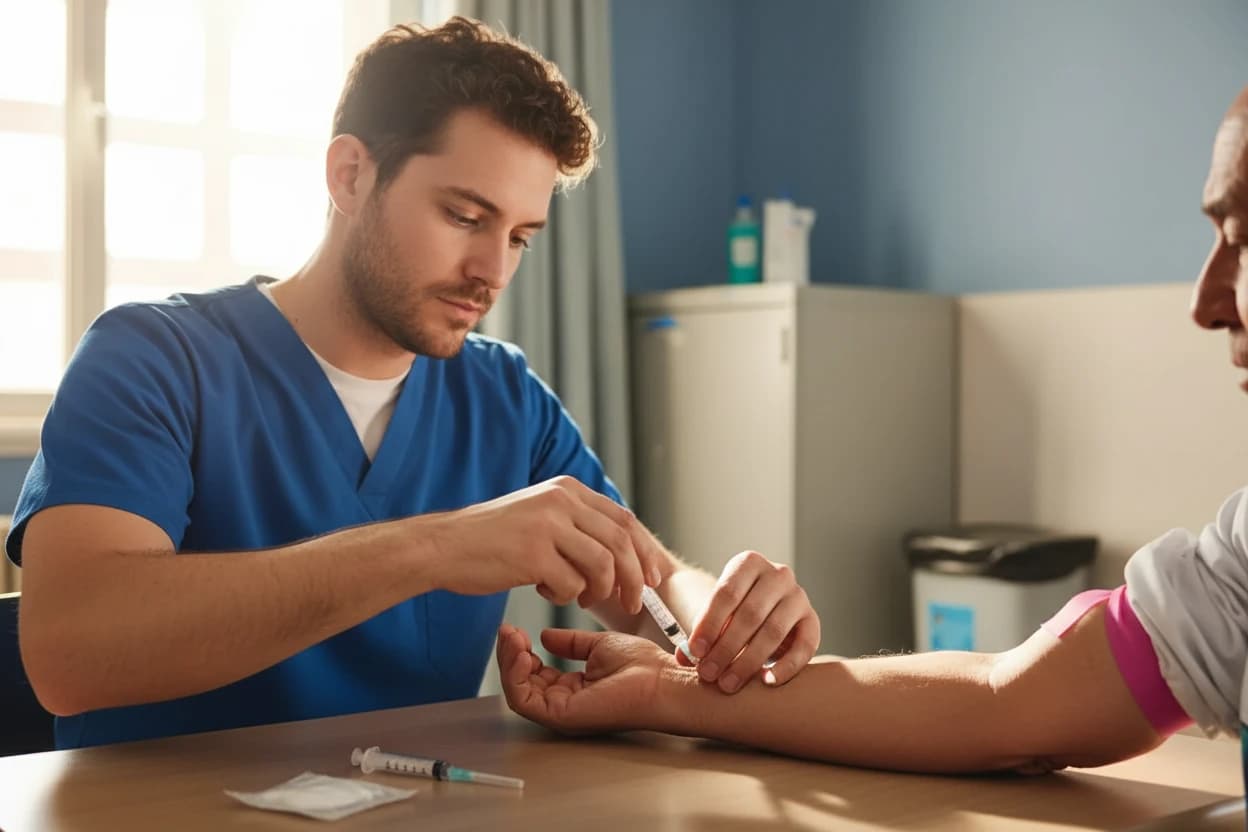
Hypovolemia occurs when the body loses a significant amount of fluid, such as blood or water, leading to a decrease in circulating blood volume. This condition typically arises when more than 15% of the total blood volume is lost, impairing the heart's ability to pump sufficient blood to organs and tissues1 . If untreated, hypovolemia can rapidly progress to hypovolemic shock, a life-threatening state causing organ failure and death2 . Early recognition and prompt treatment are essential to prevent severe complications and improve outcomes3 .
Recognizing Hypovolemia Symptoms
Symptoms of hypovolemia vary depending on the cause and severity but generally reflect the body's response to reduced blood volume and impaired tissue perfusion4 . Early signs may be subtle and include dizziness, weakness, fatigue, and increased thirst5 . As fluid loss worsens, symptoms become more pronounced and may include dry skin, poor skin elasticity (decreased skin turgor), dry mouth, muscle cramps, and decreased urine output6 13.
Severe hypovolemia or hypovolemic shock presents with critical symptoms such as confusion, difficulty breathing, rapid heartbeat (tachycardia), low blood pressure (hypotension), cold and clammy skin, pale or bluish skin tone (cyanosis), and loss of consciousness2 78. Physical examination often reveals signs like weak pulses, low jugular venous pressure, and prolonged capillary refill time2 .
- Dizziness or lightheadedness, especially when standing1
- Fatigue and weakness5
- Dry mouth and decreased skin turgor (poor skin elasticity) 6
- Muscle cramps and thirst1
- Reduced urine output or dark-colored urine1
- Rapid heart rate and low blood pressure in severe cases2
- Confusion, agitation, or loss of consciousness in advanced stages7
Common Causes of Hypovolemia
Hypovolemia results from a significant loss of fluid from the extracellular compartment, which includes blood plasma and interstitial fluid. The causes are broadly categorized into hemorrhagic and non-hemorrhagic types depending on the nature of fluid loss4 .
Hemorrhagic Hypovolemia
Hemorrhagic hypovolemia occurs due to blood loss, either external or internal, leading to a critical reduction in circulating blood volume9 . Common causes include traumatic injuries such as deep lacerations, gunshot wounds, or internal bleeding9 . Other causes involve medical emergencies like gastrointestinal (GI) bleeding, ruptured ectopic pregnancy, and severe nasal hemorrhage4 .
Excessive bleeding can overwhelm the body’s clotting mechanisms, resulting in uncontrolled hemorrhage and rapid volume depletion4 . Hypovolemic shock often develops after losing approximately 15% of the circulating blood volume, impairing oxygen and nutrient delivery despite ongoing cardiac activity4 10.
Non-Hemorrhagic Hypovolemia
Non-hemorrhagic hypovolemia primarily involves loss of plasma or extracellular fluid other than blood. This type results from fluid depletion due to conditions such as vomiting, diarrhea, burns, excessive sweating, or diuretic use4 6. Chronic illnesses like kidney failure or adrenal disorders can also contribute to volume depletion11 .
Fluid loss from the gastrointestinal tract or skin can significantly reduce the effective circulating volume, leading to symptoms similar to hemorrhagic hypovolemia but without actual blood loss4 5.
- Hemorrhagic Hypovolemia:
- Trauma (deep cuts, gunshot wounds) 9
- Gastrointestinal bleeding4
- Ruptured ectopic pregnancy4
- Severe nasal bleeding4
- Non-Hemorrhagic Hypovolemia:
- Vomiting and diarrhea4
- Burns and excessive sweating4
- Diuretic therapy and kidney disorders11
- Chronic illnesses causing fluid loss5
How Hypovolemia Is Diagnosed
Diagnosis of hypovolemia involves a combination of clinical evaluation, vital signs monitoring, laboratory tests, and imaging studies to identify the cause and assess severity12 .
Initial screening includes measuring blood pressure, where low systolic blood pressure indicates decreased intravascular volume and poor perfusion pressure4 12. Hypotension and tachycardia with a weak pulse are classic signs suggestive of hypovolemia4 .
Additional tests include:
- Blood tests: To assess renal function, electrolyte balance, hematologic status, and markers of myocardial injury4 .
- Imaging: Radiologic studies help detect sources of bleeding or trauma causing volume loss12 .
- Cardiac evaluations: Ultrasound and electrocardiogram (ECG) assess heart function and exclude cardiac causes of hypotension12 .
- Endoscopy: Upper GI endoscopy and colonoscopy can identify bleeding sources in the gastrointestinal tract4 .
Physical examination findings such as decreased skin turgor, dry mucous membranes, low jugular venous pressure, and orthostatic hypotension support the diagnosis6 11.
- Blood pressure measurement and pulse assessment12
- Blood and urine laboratory tests4
- Radiologic imaging (X-rays, CT scans) 12
- Cardiac ultrasound and ECG12
- GI endoscopy and colonoscopy for bleeding evaluation4
Effective Hypovolemia Treatment Options
Treatment of hypovolemia aims to restore circulating blood volume, correct electrolyte imbalances, and address the underlying cause to prevent organ damage and death13 12.
The mainstay of therapy is rapid intravenous (IV) fluid resuscitation using isotonic crystalloid solutions to replenish extracellular fluid volume12 1. In hemorrhagic hypovolemia, blood transfusions are often necessary to restore oxygen-carrying capacity and replace lost blood4 14.
Additional supportive measures include:
- Oxygen therapy to improve tissue oxygenation during shock9 .
- Warming the patient to maintain normothermia and prevent hypothermia-related complications4 .
- Positioning the patient in the Trendelenburg position (head down, feet elevated) to enhance venous return12 .
Careful monitoring is essential to avoid fluid overload, which can cause pulmonary edema and cardiac strain15 . Treatment must be tailored based on the patient's clinical status and comorbidities such as diabetes or anemia4 9.
- Rapid IV fluid administration (isotonic crystalloids) 12
- Blood transfusions for hemorrhagic hypovolemia4
- Oxygen supplementation9
- Warming and maintaining normothermia4
- Trendelenburg positioning to improve venous return12
- Avoidance of fluid overload15
“Hypovolemic shock is a life-threatening condition caused by a critical loss of intravascular volume, leading to systemic hypoperfusion, tissue hypoxia, and, if untreated, multiorgan failure.”
— Sharven Taghavi, Tulane University School of Medicine2
Preventing Hypovolemia Development
Preventing hypovolemia focuses on maintaining adequate hydration and early recognition of risk factors and symptoms to avoid progression to shock16 9. Proper management of underlying conditions such as diabetes, kidney disease, or adrenal disorders is important to reduce fluid loss4 .
Key preventive measures include:
- Ensuring sufficient fluid intake during illness or heat exposure16 .
- Prompt treatment of vomiting, diarrhea, and infections that cause fluid loss9 .
- Monitoring patients at risk for bleeding or fluid depletion closely4 .
- Educating patients and caregivers about signs of hypovolemia for early detection9 .
Maintaining hydration supports normal blood volume and organ perfusion, reducing the risk of volume depletion16 .
- Drink adequate fluids, especially during illness or heat16
- Manage chronic diseases that affect fluid balance4
- Treat gastrointestinal symptoms promptly9
- Educate on early signs of hypovolemia9
- Monitor vulnerable populations closely4
Potential Hypovolemia Complications
If untreated, hypovolemia can lead to serious complications due to inadequate organ perfusion and oxygen delivery4 9. Hypovolemic shock causes systemic hypoperfusion, resulting in multi-organ failure and increased risk of death2 .
Common complications include:
- Acute kidney injury from hypoperfusion and ischemia4
- Acute liver failure due to liver ischemia4
- Peripheral ischemia causing tissue necrosis and gangrene, potentially requiring amputation4
- Myocardial infarction from insufficient coronary blood flow4
- Ischemic stroke and neurological injury from cerebral hypoperfusion4
- Respiratory failure and other organ dysfunctions in advanced shock9
Early prevention and treatment are critical to avoid these life-threatening outcomes4 .
- Kidney failure4
- Liver failure4
- Gangrene and tissue necrosis4
- Heart attack4
- Stroke and neurological damage4
- Multi-organ failure9
Hypovolemia Summary and Key Points
Hypovolemia is a condition characterized by a significant loss of blood or extracellular fluid, leading to decreased circulating volume and impaired tissue perfusion17 . It commonly results from trauma, gastrointestinal losses, burns, or excessive sweating4 . Symptoms range from mild dizziness and thirst to severe hypotension, confusion, and shock3 .
Diagnosis relies on clinical signs, vital signs monitoring, laboratory tests, and imaging to identify the cause and severity12 . Treatment focuses on rapid fluid replacement, oxygen therapy, and addressing the underlying cause to prevent organ failure13 12.
Early recognition and intervention improve prognosis, while delayed treatment increases the risk of severe morbidity and mortality4 3.
- Hypovolemia occurs when the body loses more than 15% of circulating fluid volume1
- Symptoms progress from mild fatigue and thirst to life-threatening shock2
- Diagnosis includes blood pressure measurement, lab tests, and imaging12
- Treatment requires rapid IV fluid resuscitation and blood transfusions if needed4
- Prevention involves maintaining hydration and managing underlying causes9
Frequently Asked Questions
What defines clinically significant hypovolemia?
Clinically significant hypovolemia is defined as a loss of more than 15% of the circulating blood volume, which impairs effective circulation and can lead to shock4 .
Can oral hydration alone treat hypovolemia?
Oral hydration helps maintain blood volume but does not rapidly restore intravascular volume in acute hypovolemia. Intravenous fluid therapy is required for prompt correction16 12.
What are the main treatments for hypovolemia?
Treatment centers on rapid intravenous fluid replacement with isotonic crystalloids, blood transfusions for hemorrhagic cases, oxygen therapy, and supportive care to stabilize blood pressure and organ function12 14.
Why is early treatment important?
Early treatment prevents progression to hypovolemic shock, reduces the risk of organ failure, and improves survival rates4 2.