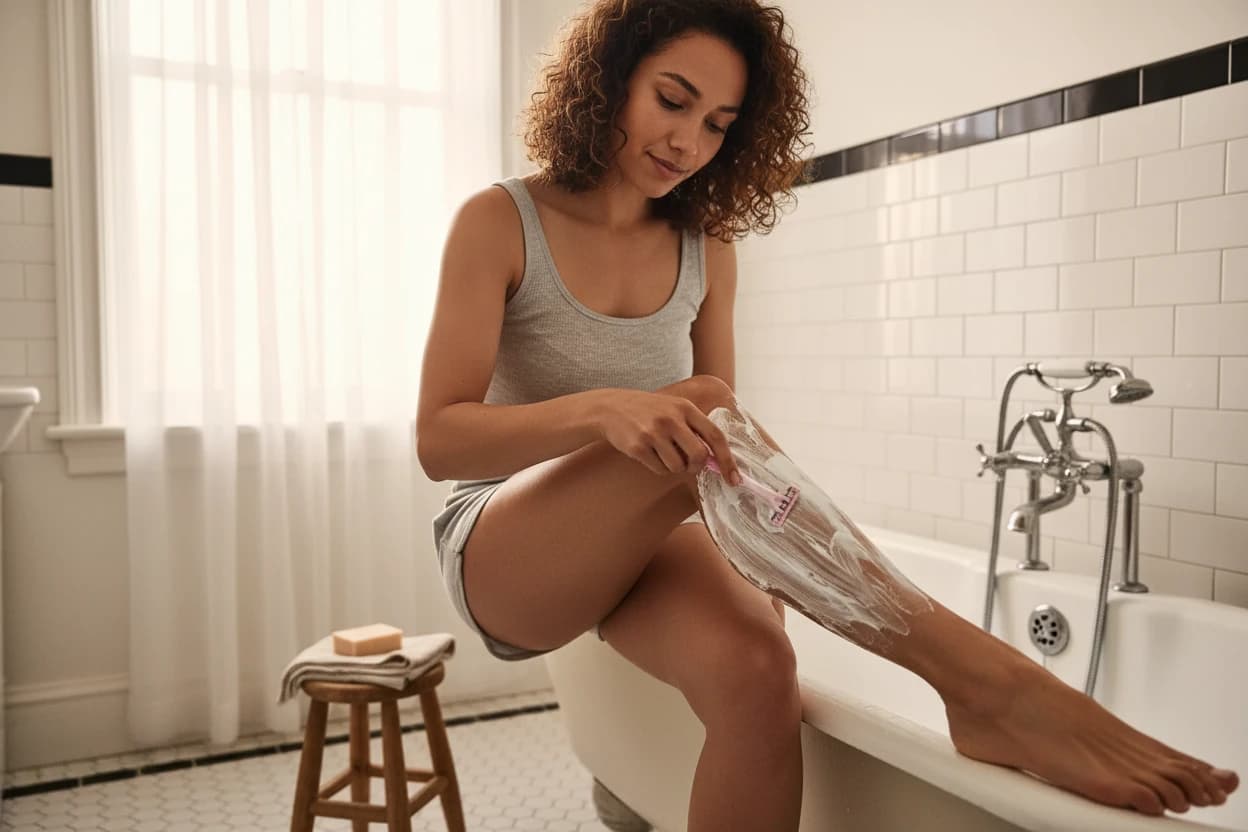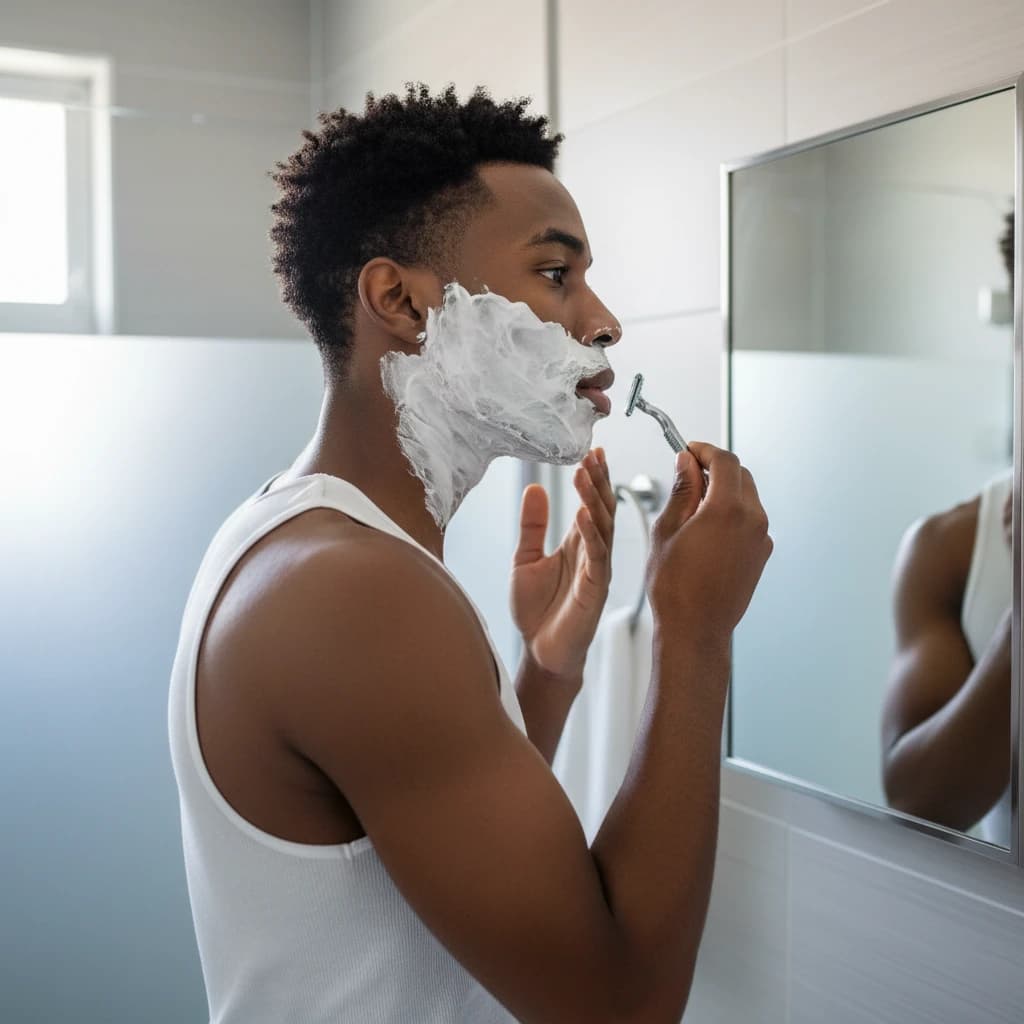
Ingrown hairs are a common skin condition that affects many people who remove hair by shaving, waxing, or tweezing. These hairs grow back into the skin instead of outward, causing irritation, bumps, and sometimes infection1 . People with curly or coarse hair, especially Black and Asian individuals, are more prone to developing ingrown hairs, particularly in the beard and pubic areas2 3. Understanding the causes, treatment options, and prevention strategies can help manage and reduce the occurrence of ingrown hairs effectively4 .
What Causes Ingrown Hairs?
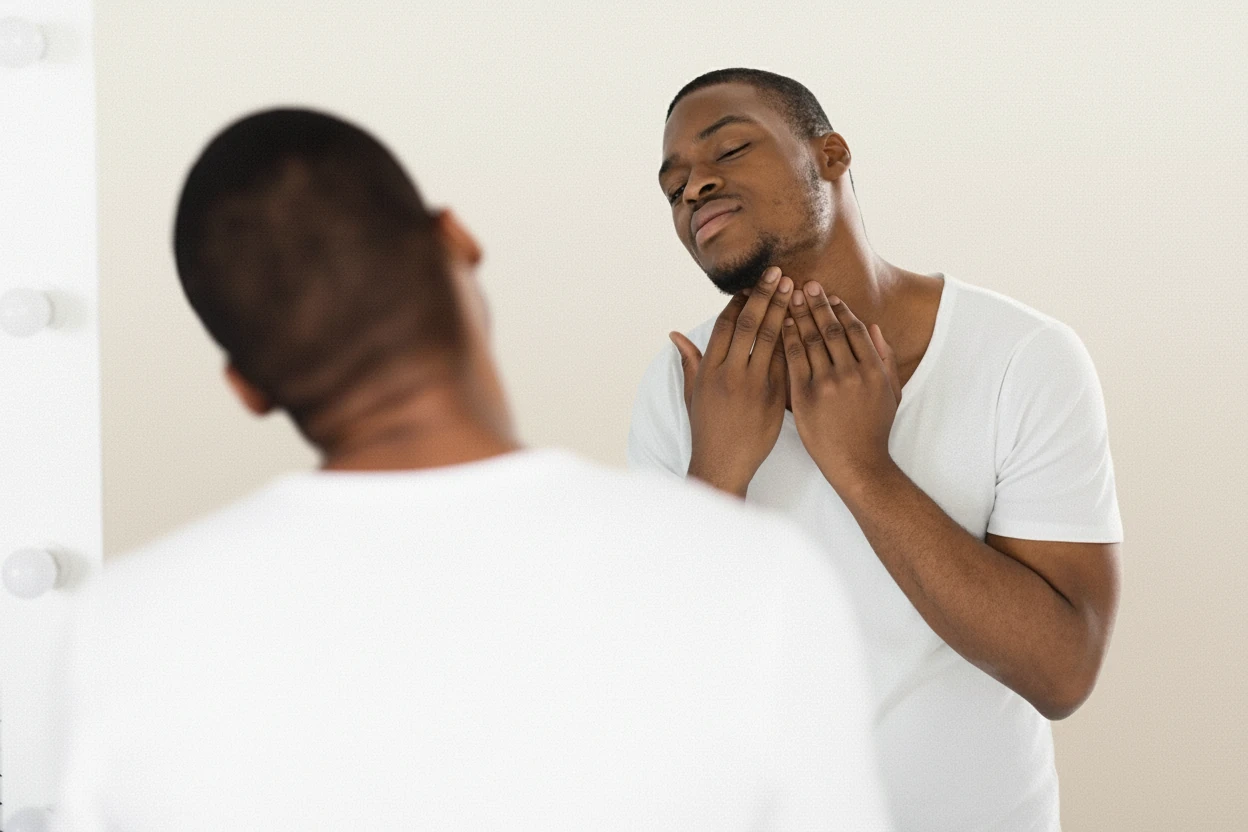
Ingrown hairs occur when hair follicles become inflamed due to hair removal methods such as shaving, waxing, or tweezing5 . The hair curls back or grows sideways into the skin, rather than growing straight out, causing irritation and bumps2 3. This condition is also known as pseudofolliculitis barbae when it affects the beard area, particularly in men with curly or coarse hair2 .
Several factors increase the risk of developing ingrown hairs:
- Having curly or coarse hair that tends to curl back into the skin2 .
- Shaving too closely or frequently, which can cause hair to re-enter the skin5 .
- Using blunt or multi-blade razors that cut hair unevenly and create sharp edges5 .
- Dry skin, which can block hair follicles and trap growing hairs5 .
- Using irritating hair removal products that inflame the skin5 .
- Grooming practices in sensitive areas such as the pubic region, especially in women6 .
Ingrown hairs commonly appear on the face and neck in Black and Asian men and in the pubic area among women2 6. Complications from ingrown hairs can include folliculitis (infection of the hair follicle) and hyperpigmentation (darkened skin patches) 26.
💡 Did You Know?
An ingrown hair looks like a raised, discolored spot on your skin. It's a strand of hair that grows back into your skin after shaving, tweezing, or waxing1 .
How to Get Rid of Ingrown Hair
Most ingrown hairs resolve on their own within a few weeks if hair removal practices are stopped or reduced5 7. Conservative management focuses on allowing the hair to grow out naturally and reducing inflammation.
Effective home care steps include:
- Avoiding shaving, tweezing, or waxing the affected area to prevent further irritation5 .
- Reducing the frequency of hair removal to give the skin time to heal5 .
- Applying warm compresses to soften the skin and open pores, which helps trapped hairs surface5 .
- Gently lifting visible ingrown hairs with a sterile needle or tweezers, but only if the hair is easily accessible and there are no signs of infection5 .
- Keeping the area clean and moisturized to promote healing3 .
Home extraction should be done cautiously and only for isolated, mild cases without infection5 . If the ingrown hair is painful, swollen, or shows signs of infection such as pus, professional medical care is recommended to avoid complications like scarring or worsening infection2 5.
Professional Treatments for Ingrown Hair
When ingrown hairs become severe, infected, or recurrent, healthcare providers may use various treatments to reduce inflammation, control infection, and prevent recurrence2 7.
Common professional treatments include:
- Topical corticosteroids, such as low-potency hydrocortisone creams, to reduce inflammation and discomfort5 .
- Antibiotic ointments like erythromycin or clindamycin to treat or prevent secondary bacterial infections5 .
- Retinoids and benzoyl peroxide creams to reduce follicular blockage and promote skin turnover5 .
- Oral antibiotics for more severe or widespread infections5 .
- Keratolytic agents such as alpha hydroxy acids (AHAs) to exfoliate the skin and improve follicular health5 .
- Advanced therapies like chemical peels, photodynamic therapy, and laser hair removal for resistant or chronic cases2 7.
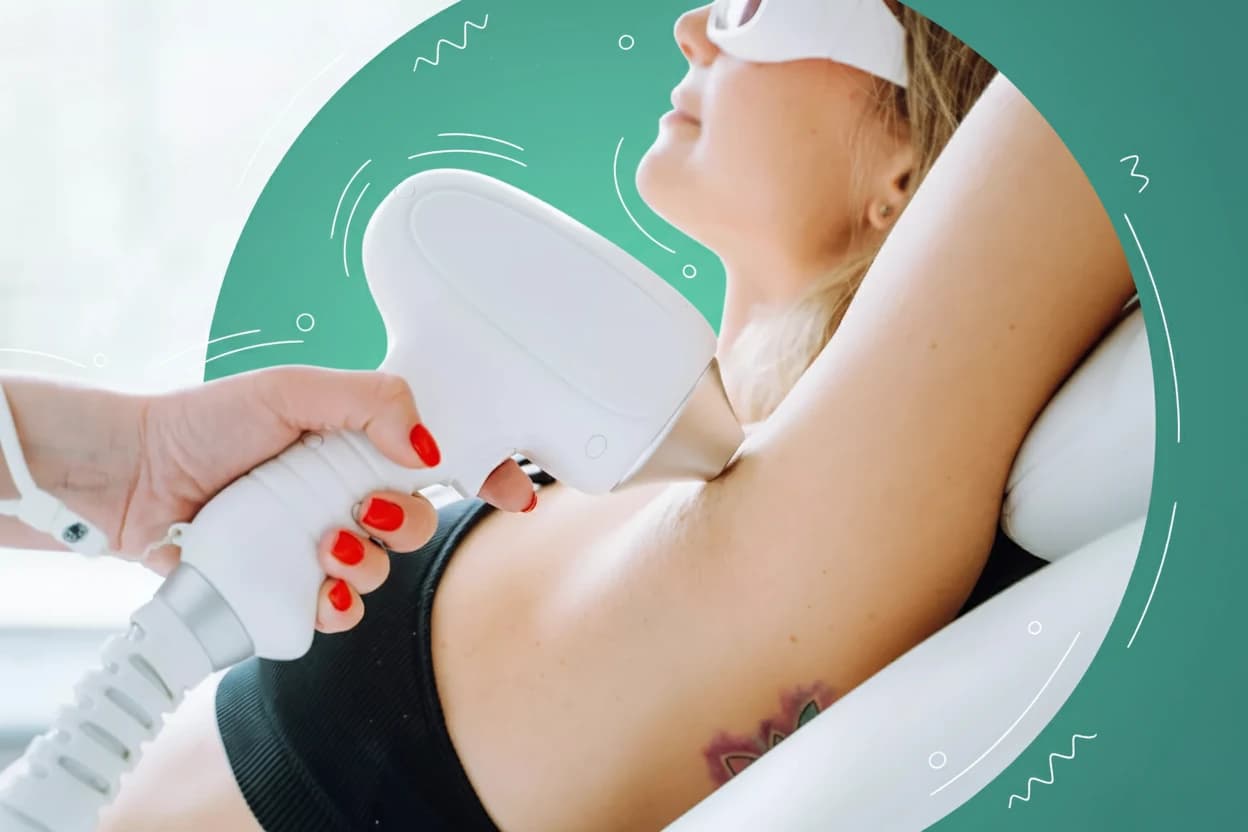
Laser hair removal is particularly effective in preventing recurrence by reducing hair density and growth, especially in individuals prone to pseudofolliculitis barbae2 7. Treatment of complications such as hyperkeratosis (skin thickening) and keloid scarring may require specialized topical agents and procedural interventions8 .
“One of the worst things to do when having ingrown hair is to continue to shave and remove hair in the affected region. It is best to wait until razor bumps have resolved before going back to shaving or engaging in further hair removal at the site.”
— Nada Elbuluk, NYU Langone Medical Center4
How to Prevent Ingrown Hair
Preventing ingrown hairs involves adopting gentle hair removal techniques and maintaining healthy skin to reduce follicular blockage and irritation5 9.
Key prevention tips include:
- Avoiding skin stretching while shaving to minimize follicle trauma5 .
- Using sharp, single-blade razors or electric razors that cut hair above the skin surface, reducing the chance of hair re-entering the skin5 .
- Shaving in the direction of hair growth with short, gentle strokes to prevent irritation5 .
- Regularly moisturizing the skin with products containing exfoliating agents like glycolic acid to remove dead skin cells and prevent clogged follicles5 .
- Reducing the frequency of hair removal to allow skin recovery and reduce irritation5 .
- Using hair removal alternatives such as depilatory creams or electric clippers instead of blade razors3 .
- Wearing loose-fitting clothing after hair removal to reduce friction and irritation9 .
“Keeping skin moisturized and exfoliated not only makes it easier to shave, but it can help remove dead skin and hairs that may clog the hair follicles, as well as promote hair growth in the right direction.”
— Nada Elbuluk, NYU Langone Medical Center4
Laser hair removal offers a long-term preventive option by decreasing hair growth and density, which lowers the risk of ingrown hairs9 10.
Do Ingrown Hairs Go Down on Their Own?
Yes, ingrown hairs typically resolve spontaneously within 4 to 6 weeks after stopping hair removal practices5 7. This natural course allows the hair to grow out properly and the skin inflammation to subside7 . Avoiding shaving or other hair removal methods during this time is crucial for healing5 .
Most ingrown hairs heal without medical intervention, but persistent or severe cases may require treatment5 .
Can You Pop an Ingrown Hair?
Popping or squeezing an ingrown hair is generally discouraged because it can worsen inflammation, increase the risk of bacterial infection, and lead to permanent skin changes such as scarring and hyperpigmentation5 7. Manipulating the area may introduce bacteria into the follicle, causing pustules or abscesses5 .
Instead, gentle care such as warm compresses and exfoliation is recommended to help the hair surface naturally3 5. If the hair is visible and easily accessible, it can be gently lifted with a sterile needle, but only if there are no signs of infection5 .
When to See a Healthcare Provider
Medical evaluation is advised if ingrown hairs become recurrent, severely inflamed, infected, or cause significant discomfort5 7. Signs that warrant professional care include:
- Painful, warm, or tender skin around the ingrown hair5 .
- Visible pus or swelling indicating infection5 .
- Persistent bumps that do not improve with home care5 .
- Development of scarring or hyperpigmentation7 .
Healthcare providers can offer treatments such as topical steroids, antibiotics, or advanced procedures to manage symptoms and prevent complications5 7.
Avoid picking, scratching, or popping ingrown hairs to prevent worsening inflammation and infection. Seek medical care if you notice increasing pain, redness, or pus around the area2 5.
A Quick Review
Ingrown hairs are common and mostly benign but can cause discomfort and skin changes if untreated5 . Preventive measures like proper shaving techniques and skin care are key to reducing their occurrence5 . Most cases resolve without medical intervention, but persistent or infected ingrown hairs require dermatological evaluation5 7.
Key points to remember:
- Ingrown hairs result from hair growing back into the skin, causing inflammation and bumps5 .
- Curly or coarse hair and close shaving increase the risk2 .
- Home care includes stopping hair removal, warm compresses, and gentle exfoliation5 .
- Professional treatments include topical steroids, antibiotics, retinoids, and laser hair removal5 7.
- Avoid popping ingrown hairs to prevent infection and scarring5 .
- See a healthcare provider for painful, infected, or recurrent cases5 .
By following these guidelines, you can effectively manage and prevent ingrown hairs, improving both skin health and comfort.