Razor bumps, medically known as pseudofolliculitis barbae, affect a large number of people who shave or remove hair regularly, especially those with curly or coarse hair1 . These bumps form when hair curls back into the skin instead of growing outward, causing irritation and inflammation2 . If left untreated, razor bumps can lead to discomfort, skin discoloration, and even permanent scarring3 . Understanding their causes, symptoms, and management is key to preventing complications and maintaining healthy skin4 .
Causes of Razor Bumps
Razor bumps occur primarily due to ingrown hairs that grow back into the skin after shaving or other hair removal methods like waxing or plucking5 . This ingrowth triggers an inflammatory reaction as the body treats the hair as a foreign object, leading to red, itchy, and painful bumps6 . The condition is medically termed pseudofolliculitis barbae (PFB), a chronic inflammatory disorder characterized by papules (solid bumps) and pustules (pus-filled lesions) 4.
People with naturally curly or coarse hair, especially men of African and Asian descent, are more prone to razor bumps because their hair tends to curl tightly and re-enter the skin more easily4 7. The curved shape of the hair follicle causes hair tips to penetrate adjacent skin, provoking inflammation4 . Frequent shaving, especially shaving too closely or against the grain, increases the risk by causing hair to be cut below the skin surface, which encourages ingrowth8 .
Other contributing factors include:
- Shaving dry skin or using dull blades, which can cause microtears and irritation9 .
- Pulling or stretching the skin during shaving, which alters hair growth direction3 .
- Hair removal in sensitive areas such as the pubic region or underarms10 .
💡 Did You Know?
Razor bumps are painful or itchy bumps caused when shaving irritates the skin. Shaving against the grain causes irritation8 .
Common Razor Bump Locations
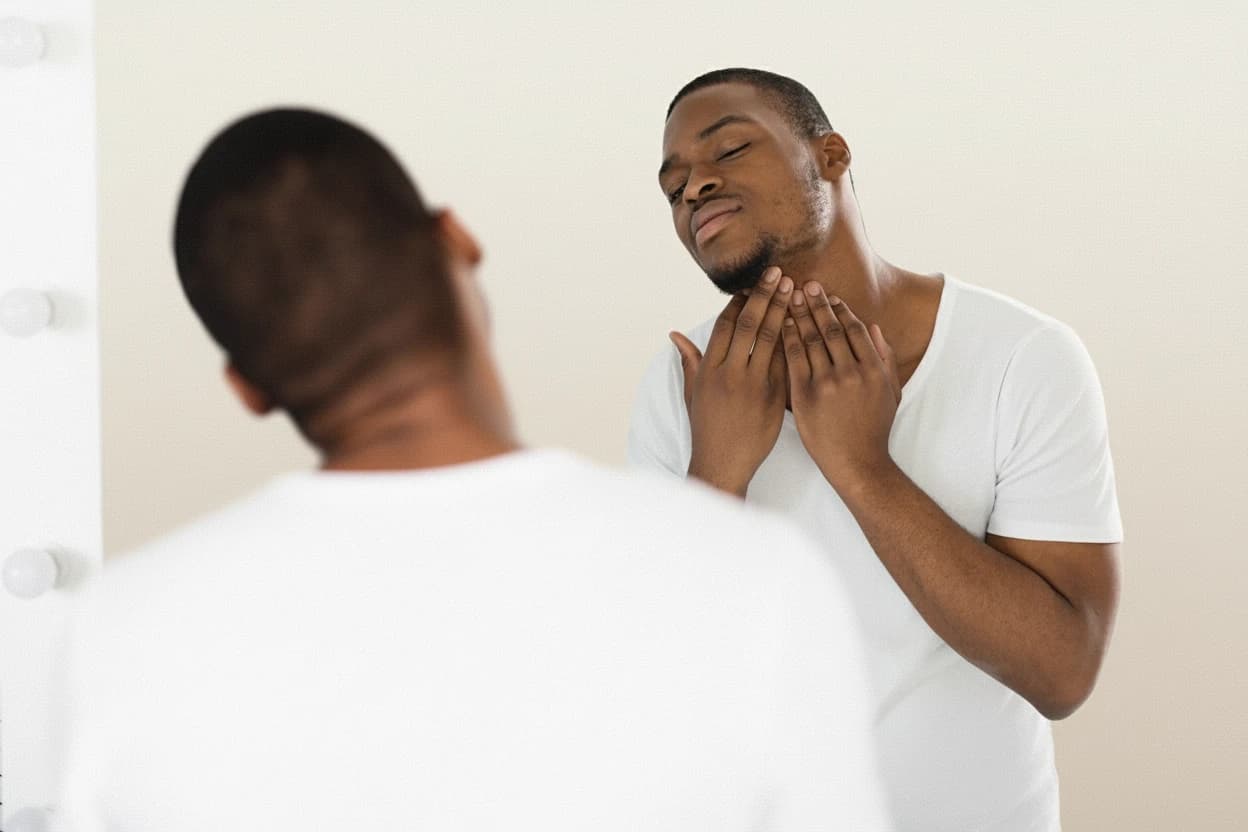
Razor bumps most commonly appear in areas subjected to frequent shaving or hair removal5 . For men, the beard area is the primary site affected, especially the neck, chin, jawline, and lower cheeks4 . These regions have curved hair follicles that predispose to hair re-entry into the skin4 .
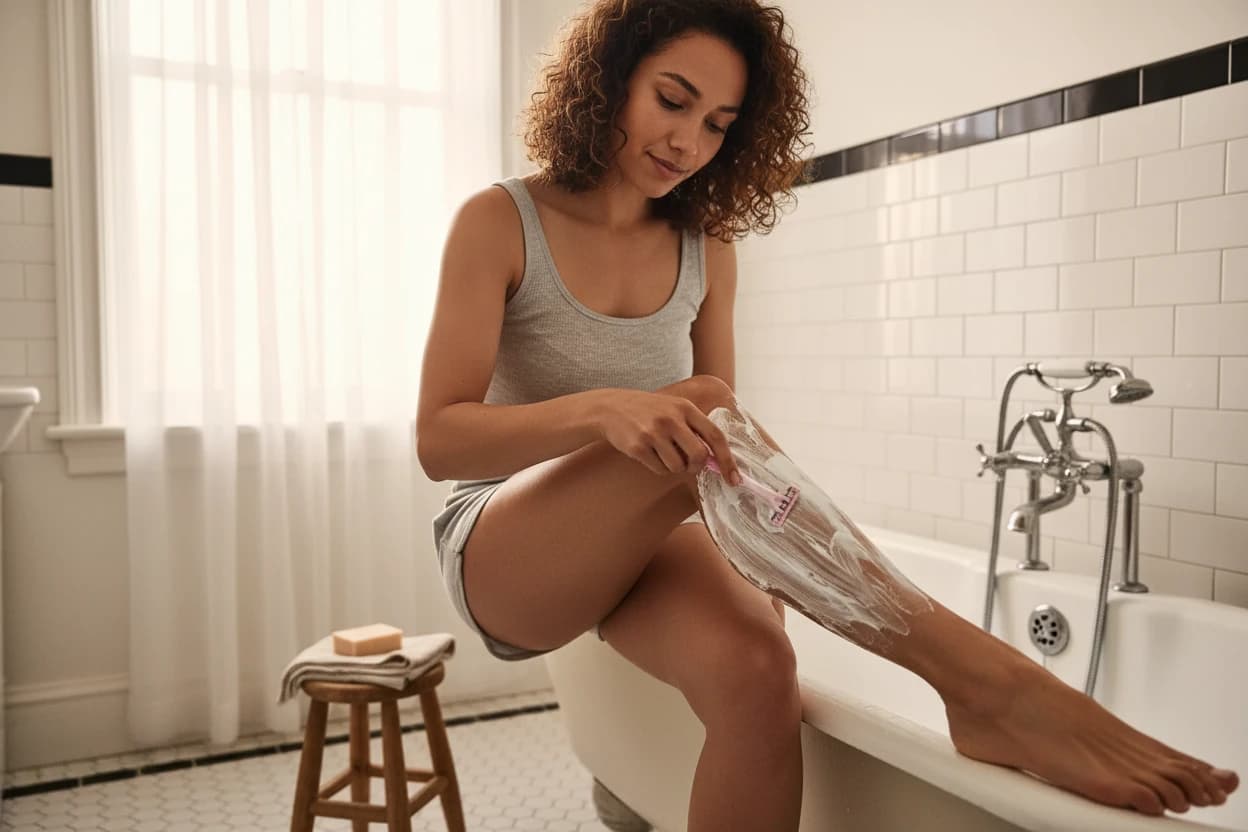
Women may develop razor bumps in sensitive areas where hair removal occurs, such as the armpits, legs, and groin10 . The pubic and axillary (underarm) regions are particularly vulnerable following waxing or plucking10 .
The following are common locations for razor bumps:
- Beard area in men, including neck, chin, jaw, and cheeks4 .
- Armpits (axillary region) 10.
- Groin and pubic region10 .
- Legs, especially in women who shave frequently10 .
Identifying Razor Bump Symptoms
Razor bumps typically develop within 1 to 2 days after shaving or hair removal and can last for days to weeks depending on severity4 . The lesions appear as small papules or pustules, usually 2 to 5 millimeters in diameter4 . Papules are solid, inflamed bumps without pus, while pustules contain pus at the tip4 .
Affected skin may feel firm due to inflammation and fibrosis (thickening of tissue) 4. The bumps can be skin-colored, red (erythematous), or darker than surrounding skin due to post-inflammatory hyperpigmentation4 . Lesions may occur singly or in clusters and can appear in multiple areas simultaneously4 .
Dermoscopy, a skin surface microscopy technique, often reveals curved hairs trapped beneath the skin surface, confirming the diagnosis of pseudofolliculitis barbae5 .
Common symptoms include:
- Raised, red or skin-colored bumps around hair follicles1 .
- Itching and tenderness in affected areas1 .
- Possible bleeding or pain when shaving over bumps11 .
- Post-inflammatory darkening of the skin (hyperpigmentation) 4.
- Clusters of bumps or isolated papules/pustules4 .
“Instead of growing straight out of the follicle, hairs meet resistance from dead skin at more steeply angled pore openings and the hair curls back around inside the pore. This causes inflamed, painful, red bumps.”
— Cynthia Abbott, Dermatology Affiliates1
Potential Complications of Razor Bumps
If left untreated, razor bumps can lead to several complications that affect skin health and appearance. Chronic pseudofolliculitis barbae may cause persistent inflammation resulting in:
- Post-inflammatory hyperpigmentation: Darker patches of skin at the site of inflammation, especially common in individuals with darker skin tones4 .
- Scarring, including keloids: Raised, firm scars that extend beyond the original injury site, more frequent in people prone to keloid formation12 .
- Secondary bacterial infections: Folliculitis (infection of hair follicles) or abscess formation may occur, requiring medical treatment13 .
- Permanent skin changes such as deep grooves or raised scars from repeated irritation3 .
These complications highlight the importance of early and proper management to avoid long-term skin damage.
Treating Razor Bumps
Treatment for razor bumps focuses on reducing inflammation, preventing infection, and promoting healing. Mild cases may resolve on their own without intervention4 . However, persistent or severe cases require medical management.
Common treatment options include:
- Topical corticosteroids to reduce inflammation and itching4 6.
- Antibiotic creams or gels to treat or prevent secondary bacterial infections4 .
- Keratolytic agents such as salicylic acid or glycolic acid to exfoliate dead skin cells and reduce follicular blockage4 .
- Oral antibiotics for severe or infected lesions4 .
- Prescription retinoids to normalize skin cell turnover and prevent follicular plugging1 .
- Warm compresses to soothe discomfort and open pores1 .
- In some cases, laser hair removal or electrolysis may be recommended to reduce hair growth and prevent recurrence3 .
Home remedies that may help include gentle exfoliation, applying soothing agents like aloe vera, and avoiding shaving until bumps heal1 .
“Tinea barbae is a fungal infection of hair-bearing areas and can look very similar to pseudofolliculitis barbae on visual examination. Tinea barbae requires different medication for treatment in the form of oral and topical antifungal medications.”
— Christopher Byrne, Advanced Dermatology PC1
Preventing Razor Bumps
Prevention of razor bumps centers on modifying hair removal habits and proper skin care to minimize irritation and ingrown hairs. The following strategies are effective:
Temporarily Stop Shaving or Shave Less Often
Allowing hair to grow longer reduces the chance of hairs curling back into the skin4 . Taking a 3-4 week break from shaving helps skin recover and lowers inflammation risk4 . Shaving less frequently also decreases irritation and follicular trauma4 .
Change How You Shave
Proper shaving techniques can significantly reduce razor bump formation. Key tips include:
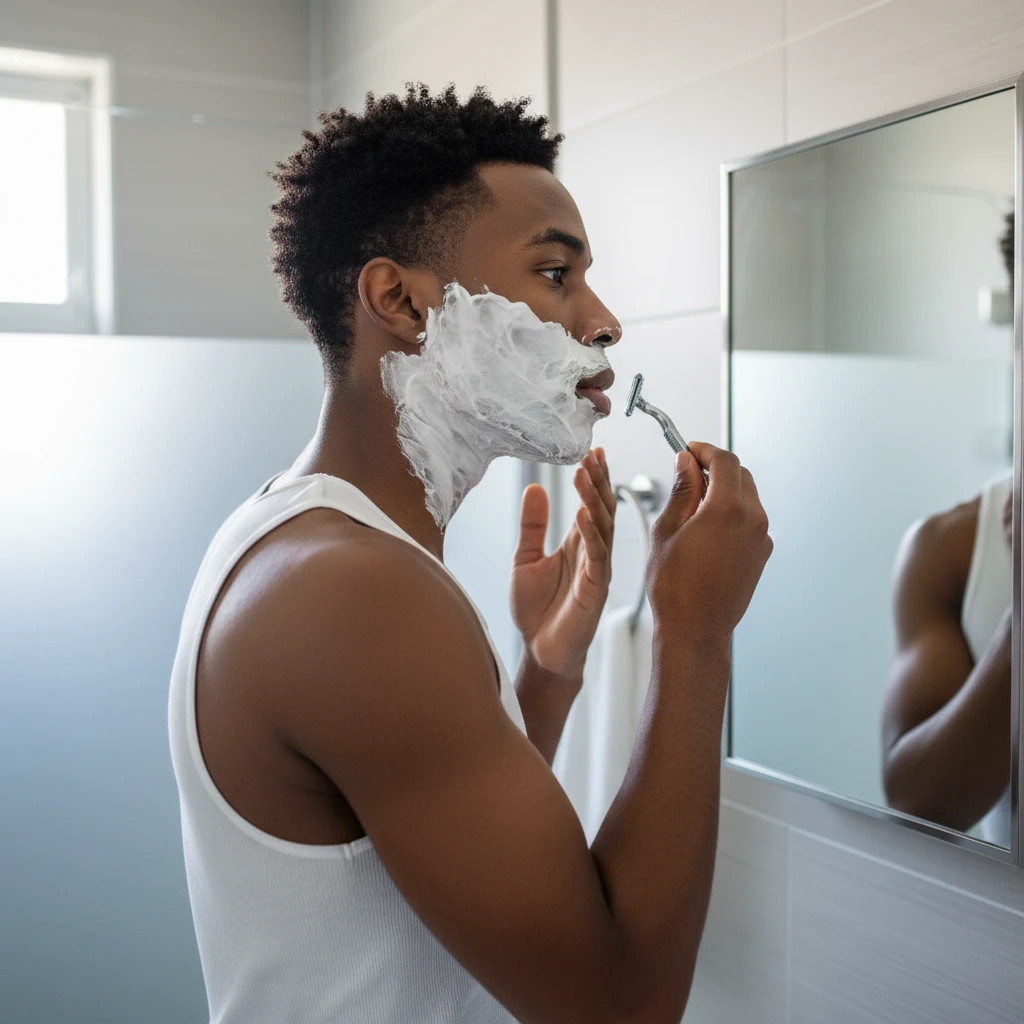
- Shaving after a warm shower or applying a warm, damp washcloth to soften hair and skin8 .
- Washing skin with a non-comedogenic cleanser before shaving8 .
- Using a moisturizing shaving cream or gel to protect skin8 .
- Shaving in the direction of hair growth to minimize hair re-entry8 9.
- Using a sharp, clean razor and replacing disposable blades after 5-7 shaves8 .
- Avoiding dry shaving or shaving too fast14 .
- Using light, gentle strokes without pressing hard on the skin15 .
Try a Shaving Alternative
Alternative hair removal methods may reduce the risk of razor bumps:
- Using electric clippers to trim hair without close shaving3 2.
- Chemical depilatories that dissolve hair without cutting4 .
- Waxing or plucking with caution, as these can also cause pseudofolliculitis but may be less irritating for some10 .
- Laser hair removal or electrolysis for long-term hair reduction in severe cases3 .
Razor bumps can create permanent changes when left untreated, like deep grooves and raised scars. Shaving daily or every 2-3 days gives hair less time to grow and curve, reducing the risk of bumps8 .
When to Seek Medical Care
Consult a healthcare provider or dermatologist if razor bumps are:
- Persistent or worsening despite home care4 .
- Associated with signs of infection such as pus, increased redness, pain, or swelling13 .
- Causing significant discomfort, bleeding, or scarring4 .
- Recurrent and affecting quality of life4 .
A dermatologist can confirm the diagnosis, rule out similar conditions like fungal infections (e.g., tinea barbae), and provide tailored treatment plans including prescription medications and advice on hair removal methods1 . Early intervention helps prevent complications such as keloid scarring and permanent pigmentation changes4 .
Persistent or recurrent razor bumps warrant evaluation by a dermatologist. Dermatologists can prescribe treatments and advise on hair removal methods to prevent recurrence4 .
Summary
- Razor bumps, or pseudofolliculitis barbae, result from ingrown hairs causing inflammation and skin irritation.
- They most commonly affect people with curly or coarse hair, especially men of African and Asian descent.
- Frequent shaving, especially against the grain or with improper technique, increases the risk of razor bumps.
- Symptoms include red or skin-colored papules and pustules, itching, and tenderness, often appearing within days after hair removal.
- Complications may include hyperpigmentation, scarring, and secondary infections.
- Treatment involves reducing inflammation, preventing infection, and promoting healing with topical steroids, antibiotics, keratolytics, and sometimes oral medications.
- Prevention focuses on shaving less often, improving shaving technique, and considering alternative hair removal methods.
- Persistent or severe cases should be evaluated by a dermatologist to avoid permanent skin damage.