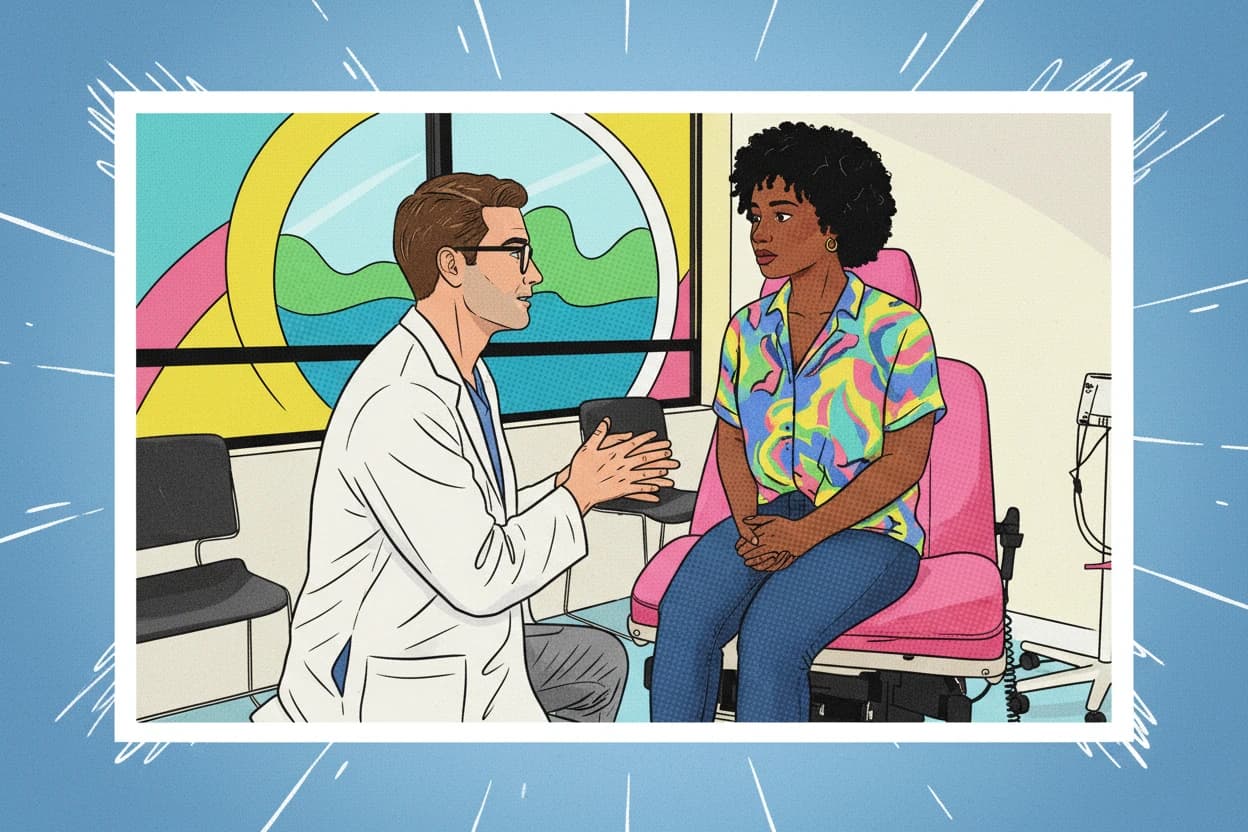
Infertility affects many couples worldwide, with lifestyle factors playing a significant role in reproductive health1 . Choices related to diet, exercise, stress management, and habits such as smoking can influence the ability to conceive2 . Understanding these factors can empower individuals to optimize their fertility and improve pregnancy outcomes3 .
Common Lifestyle Causes of Infertility
You Might Be Having Too Little Sex
Conception requires sexual intercourse timed with ovulation, the release of an egg from the ovary4 . However, having intercourse only during the estimated fertile window may limit chances of pregnancy. Frequent intercourse throughout the menstrual cycle can improve the likelihood of conception beyond just timing ovulation4 . Sexual activity also triggers immune system shifts that favor reproductive readiness, supporting implantation and pregnancy maintenance5 . These immune modulations help prepare the body to accept and sustain a pregnancy5 .
Experiencing Stress Without Coping Skills Might Be a Reason
Psychological stress is commonly experienced by individuals facing fertility challenges and can negatively affect reproductive hormones and immune function6 . While stress itself may not directly prevent pregnancy, how one copes with it can impact reproductive outcomes and overall psychological health6 . Effective stress management, regardless of the source, supports reproductive health6 . Positive cognitive strategies such as self-affirmation, problem-solving by breaking issues into smaller parts, and physical activities like walking have been shown to reduce stress levels6 . Seeking therapy or engaging in relaxing activities can also improve quality of life during conception attempts6 .
Stress is a given. It is all about how individuals cope with it. This applies to any stress that can or cannot be controlled across different areas of life7 .
Having a Weight That's Too High or Too Low
Body weight plays a crucial role in fertility for both women and men. Being overweight or obese increases the risk of infertility, with studies showing a 27% higher risk for women with overweight and 78% for those with obesity7 . Couples where both partners have obesity may take up to 59% longer to conceive compared to those with moderate body mass index (BMI) 7. Conversely, being underweight can disrupt hormone production, particularly estrogen, leading to irregular or absent ovulation and menstrual cycles7 . In men, low BMI is associated with reduced sperm count and volume, contributing to infertility7 . Maintaining a healthy weight through balanced nutrition and lifestyle is advised to improve fertility outcomes8 2.
Intense Exercise Routines Might Be Preventing Pregnancy
While regular physical activity benefits overall health, very intensive exercise routines may negatively affect fertility7 . High-intensity exercises, such as aerobic dancing, singles tennis, or swimming laps, can raise heart rate and breathing difficulty, potentially disrupting ovulation and hormone balance7 . For individuals at a healthy weight, limiting vigorous exercise to less than five hours per week and less than 60 minutes per day may help preserve reproductive function9 . Moderation in exercise supports hormonal regulation essential for conception4 .
Not Eating Well Might Lead to Not Getting Pregnant
Diet quality is closely linked to fertility. Diets high in saturated fats and processed foods are associated with less favorable fertility outcomes, while those rich in unsaturated fats, whole grains, fish, fruits, and vegetables support better reproductive health7 . Nutritional balance influences hormone production and sperm quality in men and women alike2 . Avoiding environmental toxins in food and maintaining adequate nutrient intake can further enhance fertility9 . Healthy dietary habits before and during conception attempts are recommended to optimize pregnancy chances10 .
Smoking Can Be a Culprit
Tobacco use adversely affects fertility in both sexes. Smoking harms the reproductive system and damages sperm DNA, increasing the risk of infertility7 . It also negatively impacts hormone production necessary for ovulation and sperm formation2 . Quitting smoking improves fertility outcomes and reduces risks associated with pregnancy2 . Developing a smoking cessation plan, including setting a quit date and seeking support, is an effective strategy to protect reproductive health7 .
💡 Did You Know?
Some authors suggested that adverse lifestyle factors such as smoking, alcohol consumption, and caffeine can have an additive effect on fertility11 .
Additional Factors Impacting Conception
Beyond common lifestyle causes, other factors can influence fertility. Shift work, especially night shifts, disrupts circadian rhythms—our biological clocks that regulate hormone cycles critical for reproduction1 . This disruption is linked to reduced fertility and may impair reproductive function1 . Healthcare workers and others with irregular work hours should prioritize sleep, nutrition, and physical activity to mitigate these risks1 . Intentional lifestyle management is essential to maintain fertility while working irregular schedules1 .
Biological and medical factors can also cause infertility despite lifestyle efforts. Conditions such as polycystic ovary syndrome (PCOS), endometriosis, and uterine abnormalities affect ovulation and implantation9 12. Age is a significant factor; fertility declines as women approach their 40s due to decreased egg quantity and quality9 . Men’s fertility also declines with age, typically after 5012 . Medical evaluation is advised when conception does not occur after lifestyle modifications, as some causes require clinical intervention13 14. Fertility specialists can provide diagnostic and therapeutic guidance to optimize chances of conception13 12.
| Factor | Impact on Fertility | Notes |
|---|---|---|
| Timing of intercourse | Critical for conception | Ovulation timing essential4 |
| Stress | Negative effect on reproductive hormones | Coping strategies mitigate impact6 |
| Shift work | Disrupts circadian rhythm, lowers fertility | Prioritize sleep and lifestyle habits1 |
| Smoking | Reduces fertility | Cessation improves outcomes2 |
| Weight (BMI) | Overweight/underweight increases risk | Weight management advised7 |
| Sources: 12467 | ||
Key Takeaways
- Frequent sexual intercourse throughout the menstrual cycle improves conception chances beyond timing ovulation alone4 .
- Managing psychological stress with positive coping strategies supports reproductive health and quality of life during fertility challenges6 .
- Maintaining a healthy weight is essential, as both overweight and underweight statuses impair fertility in men and women7 .
- Excessive high-intensity exercise can disrupt ovulation; moderation is key to preserving fertility7 .
- Smoking damages reproductive function and quitting improves fertility outcomes2 .
- Shift work disrupts hormonal rhythms and requires focused lifestyle management to protect fertility1 .
- Medical causes of infertility may require evaluation and treatment beyond lifestyle changes13 .