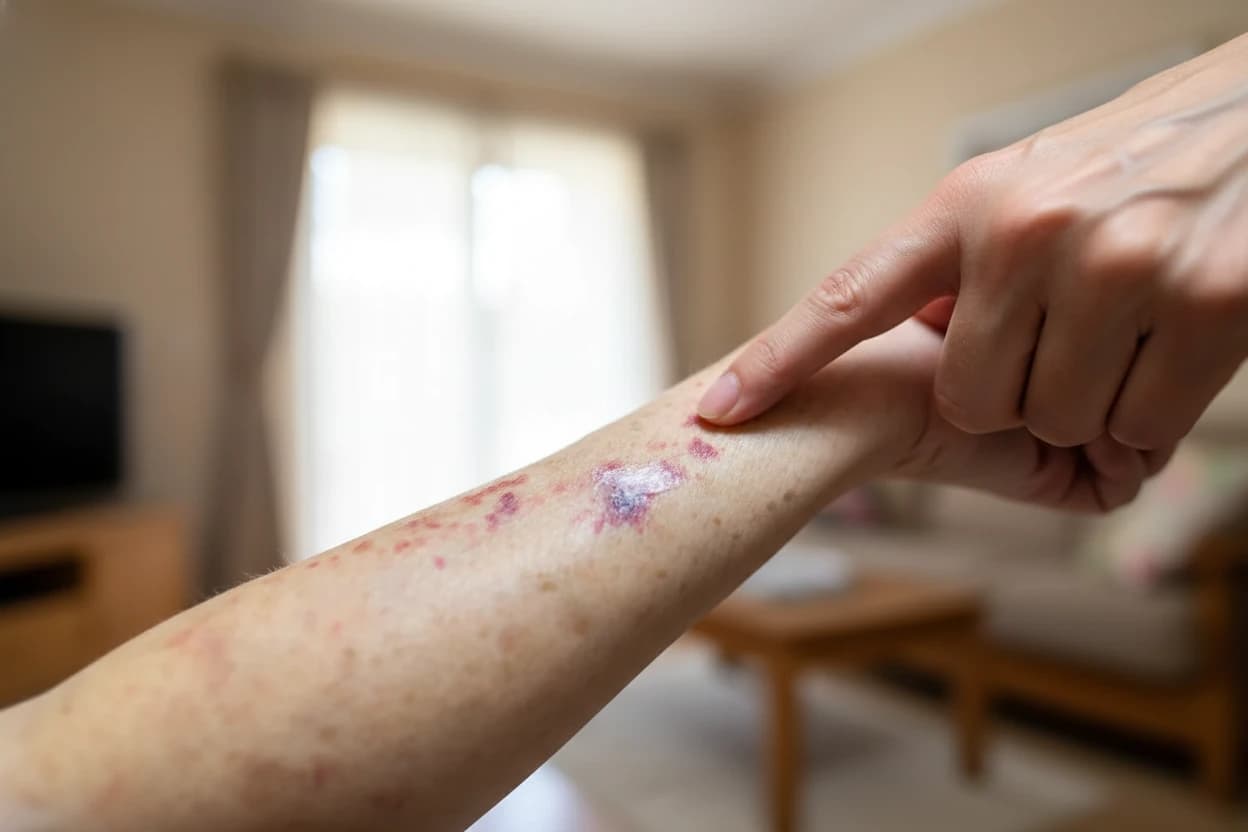
Hidradenitis suppurativa (HS) is a chronic inflammatory skin condition that affects approximately 1% of the global population, often starting in young adulthood1 . It causes painful lumps, abscesses, and tunnels under the skin, primarily in areas where skin rubs together, such as the armpits and groin1 . The disease significantly impacts daily life, causing physical discomfort and emotional distress, and often leads to delays in diagnosis and treatment2 1. Managing HS requires a comprehensive approach involving medical care, lifestyle changes, and psychological support1 .
Understanding Hidradenitis Suppurativa
HS is characterized by painful, deep-seated nodules, abscesses, draining tunnels, and scarring that primarily affect intertriginous areas like the axillary, groin, perianal, perineal, and inframammary regions1 . The condition begins with hair follicle blockage, leading to inflammation and rupture, but it is not caused by infection or poor hygiene3 . Genetic factors, hormonal influences, smoking, and obesity contribute to its development and severity1 3.
Despite its prevalence, HS is often misdiagnosed or unrecognized by healthcare professionals, leading to an average diagnostic delay of around seven years2 4. This delay worsens patient outcomes and prolongs suffering5 . Physician unfamiliarity results in inadequate treatment and diminished patient trust4 . The relapsing and remitting nature of HS, with unpredictable flare-ups and pain, complicates management4 6.
HS also has numerous comorbidities, including metabolic syndrome, inflammatory arthritis, and inflammatory bowel disease, which require consideration during assessment1 . The disease's chronic inflammation can cause irreversible skin damage with tunnel formation and scarring1 . Patients frequently experience pain, drainage, malodor, and disfigurement, which profoundly affect their quality of life1 6.
Effective management involves a combination of medical therapies—such as topical and systemic antibiotics, hormone therapy, immune modulators, and surgery—and supportive care including wound management and pain control1 7. Early recognition and treatment are crucial to prevent complications and improve prognosis1 .
Non-Linear Healing Process
HS healing is complex and non-linear due to its chronic, relapsing, and remitting course4 8. Treatment responses vary widely among patients, and remission can be difficult to achieve and maintain5 . The inflammatory nature of the disease means that pain and flare-ups may persist despite ongoing therapy6 .
Management requires patience and often involves trial and error to identify effective treatments9 . The disease fluctuates in activity, impacting patients' quality of life unpredictably8 . Surgical and medical treatments can be physically and emotionally demanding, requiring resilience from patients10 .
Because of the variable treatment outcomes, multidisciplinary care teams are essential to optimize management and patient satisfaction11 . Regular follow-up is necessary to monitor disease progression and adjust therapies accordingly1 . Pain management is a critical component, addressing both inflammatory and non-inflammatory sources such as scarring, abscesses, and frictional pain12 13.
Lifestyle modifications, including weight loss and smoking cessation, are recommended to reduce disease severity and prevent progression1 14. Avoiding skin trauma by wearing loose clothing and using gentle skin care products helps minimize irritation and flare-ups14 15.
| Treatment Aspect | Considerations | Notes |
|---|---|---|
| Medical Therapy | Antibiotics, immune modulators, hormone therapy | Variable efficacy; requires patience5 1 |
| Surgical Intervention | Deroofing, excision, laser therapy | Combined with medical therapy preferred1 10 |
| Pain Management | NSAIDs, gabapentin, duloxetine | Tailored to pain type and severity12 13 |
| Lifestyle Modifications | Weight loss, smoking cessation | Improves outcomes but effects may be gradual1 14 |
| Follow-up and Monitoring | Regular assessment of lesions and quality of life | Essential for treatment adjustment1 |
| Sources: 1510121314 | ||
Embracing Bravery and Vulnerability
Living with HS involves confronting not only physical symptoms but also psychological barriers such as shame, stigma, and social isolation16 . Lesions often occur in intimate areas, making clinical examinations and disclosure emotionally challenging17 . Patients may feel vulnerable and reluctant to seek timely care, which can delay diagnosis and worsen outcomes16 .
Effective communication with healthcare providers and social networks enhances disease management and quality of life18 . Social support is crucial for coping, and disclosure often improves psychological outcomes18 . Caregiver involvement and peer support groups provide both practical advice and emotional encouragement, reducing feelings of isolation17 19.
Surgical and medical treatments can be physically and emotionally taxing, requiring patient resilience and bravery10 . Empowerment and self-acceptance are key psychological goals in HS management, helping patients to maintain meaningful personal and family relationships despite the disease18 17.
Dietary Changes for HS Management
Diet plays a significant role in managing HS symptoms. Certain dietary patterns, especially those with a high glycemic load and dairy consumption, may exacerbate HS21 . Processed and high-sugar foods are commonly reported triggers for flare-ups21 . Conversely, adherence to anti-inflammatory diets, such as the Mediterranean diet, may reduce disease severity and improve quality of life22 .
Home-cooked meals help patients avoid dietary triggers and support symptom management21 . Keeping a food diary can assist in identifying and avoiding foods that provoke flares21 . Gradual lifestyle modifications are recommended to improve adherence and long-term outcomes22 .
- Avoid processed foods and high-sugar items21
- Limit dairy consumption if identified as a trigger21
- Embrace anti-inflammatory diets like the Mediterranean diet22
- Prepare home-cooked meals to control ingredients21
- Use food diaries to track and identify personal triggers21
The Importance of Community Support
Social support networks are vital for coping with HS and improving quality of life16 . Peer support groups provide practical advice, emotional encouragement, and reduce feelings of isolation19 16. Digital platforms have expanded access to peer support and information sharing worldwide, connecting patients beyond geographical barriers23 .
Multidisciplinary care teams, including dermatologists, surgeons, wound care specialists, pain management experts, nurses, pharmacists, and mental health providers, enhance treatment effectiveness and patient satisfaction11 24. Nurses and pharmacists play key roles in counseling, medication management, and acting as liaisons between patients and clinicians11 .
Caregiver involvement positively influences patient outcomes and adherence to treatment plans17 . Open communication within these support systems fosters hope, perseverance, and empowerment among HS patients23 18.
Mental Health Impact of HS
HS has a profound psychological impact, with high rates of depression, anxiety, and reduced life satisfaction reported among patients25 16. Emotional distress arises from chronic pain, social stigma, and the disease's unpredictable nature25 . Mental health interventions, including counseling and support groups, are integral to comprehensive HS care26 27.
Addressing mental health improves treatment adherence and overall quality of life25 18. Psychological counseling helps patients reframe their experiences, develop positive coping strategies, and build resilience19 18. Early mental health intervention is crucial given the significant psychosocial burden of HS25 .
Social isolation, employment difficulties, and sexual dysfunction are common challenges faced by HS patients, further emphasizing the need for integrated mental health support28 29. Empowerment and self-acceptance are key goals to help patients maintain meaningful relationships and life satisfaction18 17.