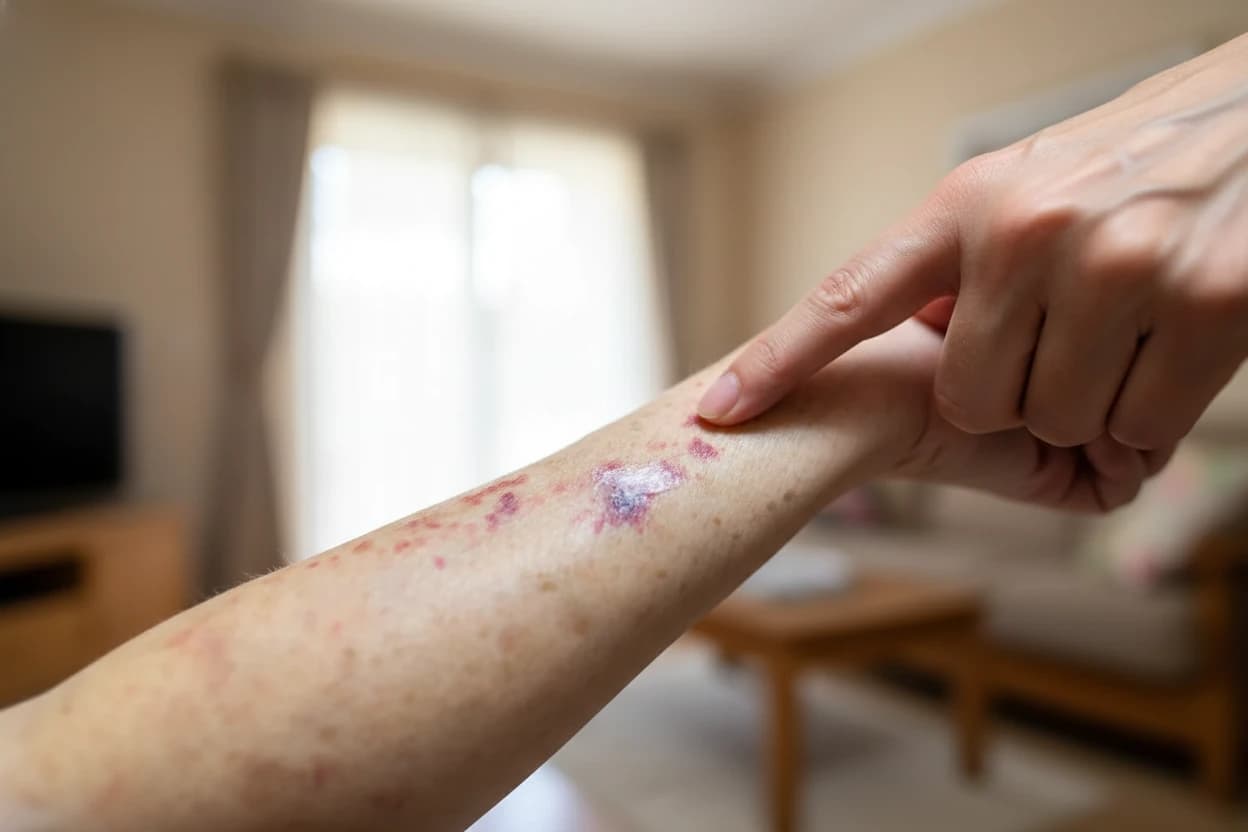
Parasites affect billions of people worldwide, with over two billion infected by parasitic worms alone1 . These organisms live on or inside hosts, exploiting them for nutrients and reproduction, often causing illness2 . Parasitic infections can range from mild to severe, impacting various organs and systems, and require accurate diagnosis and treatment to prevent complications3 .
Parasite Basics
Parasites are organisms that depend on a host to survive and reproduce, often causing harm to the host in the process4 . They exploit their hosts by feeding on their nutrients and using their bodies as habitats, which can lead to illness or disease2 . Hosts include humans and animals that provide resources necessary for parasite survival and reproduction5 . Parasitic infections are common globally, especially in children and immunocompromised individuals, and can cause significant health burdens6 7. Diagnosis and treatment depend on the parasite type and infection severity, with prevention focusing on hygiene, safe food and water, vector control, and education8 9.
Common Parasite Types
Parasites that infect humans are mainly classified into three groups based on their biology and location on or in the host: protozoa, helminths, and ectoparasites10 .
Protozoa
Protozoa are single-celled organisms that multiply within the human host10 . They can infect the intestines, bloodstream, and various organs, causing intestinal or systemic infections10 . Transmission occurs through skin contact, insect vectors like mosquitoes and ticks, or contact with infected animals5 . Common human protozoan parasites include Babesia, Giardia, Cryptosporidium, Plasmodium (which causes malaria), and Toxoplasma10 . These parasites can invade the bloodstream and disseminate to organs such as the lungs and intestines, leading to systemic disease10 .
Helminths
Helminths are multicellular parasitic worms visible to the naked eye in their adult form10 . They usually inhabit the gastrointestinal tract but can infect other tissues11 . Helminths include:
- Flukes (trematodes), which are flatworms transmitted through contaminated water or aquatic animals11 .
- Tapeworms (cestodes), long segmented worms living in the intestines, spreading through eggs in feces and contaminated food or undercooked meat11 .
- Roundworms (nematodes), small intestinal parasites transmitted via contaminated soil or feces11 .
Ectoparasites
Ectoparasites live on the outside of the host and include ticks, fleas, lice, and mites10 . They often act as vectors, transmitting infections through blood-feeding12 . Examples include:
- Fleas, small wingless insects that can spread disease through bites or ingestion12 .
- Lice, tiny insects living on hair or skin, transmitted by close contact12 .
- Mites, tiny arachnids that can cause skin conditions like scabies12 .
- Ticks, arachnids that bite and burrow into the skin, often found in wooded or grassy areas12 .
Parasite Appearance and Identification
Parasites vary widely in size and form, from microscopic protozoa to visible worms and arthropods10 .
Protozoa are microscopic and require magnification for visualization10 . They are classified by their motility into amoebae, flagellates, ciliates, and sporozoans10 . Their life cycles and transmission methods differ, influencing their pathogenic effects10 .
Helminth larvae can be microscopic, but adult worms are generally visible to the naked eye10 . Tapeworms have segmented, ribbon-like bodies, while other flatworms lack segmentation10 . Parasite eggs, larvae, or cysts are often detected in stool samples for diagnosis10 .
Ectoparasites such as lice, fleas, ticks, and mites are visible to the naked eye12 . They can be identified by their characteristic body shapes and behaviors, such as burrowing or blood-feeding12 .
Parasitic Infection Symptoms
Symptoms of parasitic infections vary widely depending on the parasite species, infection intensity, and affected organs10 . Common signs include gastrointestinal symptoms like diarrhea and abdominal discomfort, as well as systemic signs such as fever10 . Other symptoms may include:
- Fatigue and weakness3
- Muscle aches3
- Itchy skin rashes or sores3
- Problems sleeping3
- Increased appetite or weight loss3
Some infections may be asymptomatic, with individuals unknowingly passing parasites to others3 .
Diagnosing Parasitic Infections
Accurate diagnosis is essential for effective treatment and involves a combination of clinical evaluation and laboratory tests10 .
- Medical History: Includes travel history, exposure to animals or vectors, and dietary habits10 .
- Physical Examination: May reveal visible parasites, rashes, or bite marks3 .
- Stool Microscopy: Ova and parasite stool tests detect eggs, larvae, or cysts in fecal samples10 .
- Blood Tests: Blood smears and serologic assays help diagnose systemic infections like malaria and babesiosis10 3.
- Endoscopy: Enteroscopy or colonoscopy allows direct visualization and biopsy of intestinal mucosa10 3.
- Imaging: X-rays, MRI, or CT scans identify parasitic lesions in organs10 .
Parasite Treatment Options
Treatment depends on the specific parasite and infection severity10 . Most parasitic infections require pharmacologic intervention with antiparasitic drugs10 . Treatment options include:
- Oral antiparasitic medications targeting protozoa and helminths10 .
- Topical agents such as shampoos and ointments for ectoparasitic infestations like lice and scabies10 .
- Adjunctive therapies including antibiotics or antifungals for secondary infections10 .
Common antiparasitic drugs include chloroquine, albendazole, ivermectin, and permethrin10 . Following treatment instructions carefully is critical to prevent recurrence3 .
Preventing Parasitic Infections
Prevention focuses on reducing exposure to parasites through hygiene and environmental control10 . Key preventive measures include:
- Regular handwashing with soap and clean water, especially before eating and after handling animals or feces10 .
- Proper disposal of pet feces to reduce zoonotic parasite exposure9 .
- Safe food preparation, including thorough cooking of meat and washing fruits and vegetables10 .
- Regular veterinary care and parasite control for pets9 .
- Use of insect repellents and protective clothing to prevent vector-borne infections5 .
- Adhering to travel health guidelines and chemoprophylaxis when visiting malaria-endemic areas10 .
Key Takeaways
- Parasites are organisms that live on or inside hosts, causing a range of diseases worldwide2 3.
- Human parasites include protozoa, helminths, and ectoparasites, each with distinct life cycles and transmission methods10 .
- Symptoms vary widely but often include gastrointestinal distress and systemic signs like fever10 .
- Diagnosis involves stool tests, blood tests, imaging, and endoscopy depending on the parasite10 .
- Treatment requires specific antiparasitic medications, and prevention relies on hygiene, safe food practices, vector control, and pet care10 9.