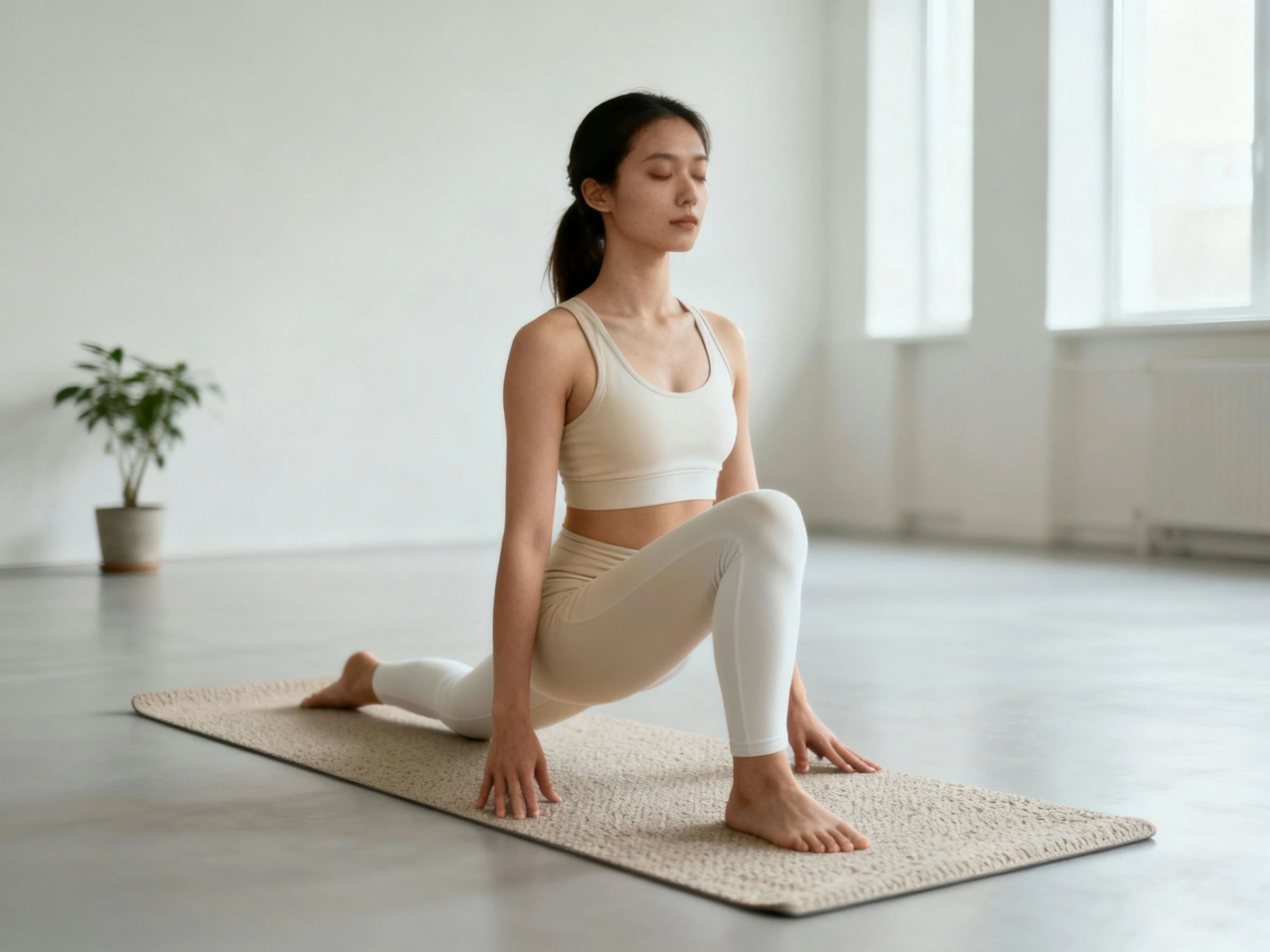
Pelvic floor muscles play a crucial role in supporting pelvic organs such as the bladder, uterus, and bowels, as well as in maintaining urinary and bowel control1 . Weakness in these muscles can lead to issues like urinary incontinence and pelvic organ prolapse, affecting quality of life1 . Strengthening the pelvic floor through targeted exercises can improve muscle function, reduce symptoms, and enhance sexual health2 . This article explores effective pelvic floor strengthening exercises, their benefits, and guidance on proper practice.
Pelvic Floor Strengthening Exercises
Pelvic floor muscle training involves exercises designed to improve the strength, endurance, and coordination of the muscles that support pelvic organs3 . These exercises are effective for managing urinary and fecal incontinence, pelvic organ prolapse, and sexual dysfunction4 5.
Kegel Exercises
Kegel exercises are the most well-known pelvic floor muscle training method. They involve contracting and relaxing the muscles used to stop the flow of urine or gas3 2. To perform Kegels:
- Identify your pelvic floor muscles by imagining stopping the flow of urine or preventing passing gas3 6.
- Tighten these muscles by lifting and squeezing as if lifting a marble upward6 .
- Hold the contraction for about 3 to 5 seconds, then fully relax for the same amount of time2 1.
- Repeat 10 to 15 times per set, aiming for three sets daily3 2.
- Exercises can be done lying down, sitting, or standing, with lying down recommended initially if muscles are weak3 6.
It is important to isolate the pelvic floor muscles without engaging the abdomen, thighs, or buttocks3 6. Avoid regularly stopping urine midstream as a way to identify muscles, as this can cause incomplete bladder emptying and increase infection risk3 6.
Kegel exercises can improve urinary continence, reduce fecal incontinence, and enhance sexual function and satisfaction4 52. Most people notice symptom improvement within 6 to 8 weeks of regular practice2 6.
Other Strengthening Exercises
In addition to Kegels, several exercises can complement pelvic floor strengthening by engaging core and lower body muscles:
- Bridge Pose: Activates pelvic floor, core, and glute muscles, improving pelvic stability1 .
- Squats: Strengthen lower body muscles including the pelvic floor1 .
- Pelvic Tilts: Enhance lower back and abdominal muscle strength, supporting pelvic floor stability1 .
- Bird-Dog Exercise: Engages multiple muscle groups including the pelvic floor for improved coordination and endurance1 .
- Dynamic Neuromuscular Stabilization: A rehabilitative approach targeting integrated spinal stabilization, including the pelvic floor, to improve muscle activation and function7 .
Incorporating these exercises 2 to 3 times per week alongside Kegels can significantly improve pelvic health1 .
Pelvic floor muscles work continuously to support the bladder, colon, rectum, and sexual organs. Strengthening these muscles through Kegels and complementary exercises can prevent leakage and improve sexual health8 .
Benefits of a Strong Pelvic Floor
Strengthening the pelvic floor offers multiple health benefits, particularly for urinary and fecal continence, pelvic organ support, and sexual function4 5. Key benefits include:
- Improved Urinary Control: Pelvic floor muscle training is the first-line treatment for urinary incontinence and can cure or improve symptoms of stress and other types of incontinence9 4.
- Reduced Fecal Incontinence: Exercises help improve bowel function and reduce accidental stool leakage4 .
- Pelvic Organ Prolapse Management: Training strengthens muscles supporting pelvic organs, reducing prolapse symptoms and improving quality of life5 .
- Enhanced Sexual Function: Pelvic floor strengthening improves sexual satisfaction and function, including after hysterectomy5 10.
- Postpartum Recovery: Exercises aid in restoring pelvic strength after childbirth and may reduce urinary incontinence during late pregnancy and postpartum11 .
Regular pelvic floor muscle training improves muscle strength, power, endurance, and basal tone, contributing to better pelvic health and function12 3. Combining exercises with biofeedback or vaginal cones may enhance outcomes9 .
Pregnancy, childbirth, and postpartum recovery can significantly impact the pelvic floor13 .
How to Locate Your Pelvic Floor Muscles
Identifying the correct muscles is essential for effective pelvic floor training. The pelvic floor muscles form a supportive sling at the base of the pelvis, holding the bladder, uterus, and rectum in place3 1. To locate them:
- Imagine stopping the flow of urine midstream or preventing passing gas3 6.
- Focus on the muscles that tighten around the vagina or anus without contracting the abdomen, buttocks, or thighs3 6.
- Women may insert a finger into the vagina, and men into the rectum, to feel the muscles contract14 .
Avoid making a habit of stopping urine flow regularly, as this can cause bladder emptying problems3 . Proper identification helps isolate the pelvic floor muscles during exercises, maximizing effectiveness3 .
Tracking Your Progress
Consistent practice of pelvic floor exercises leads to noticeable improvements in muscle strength and symptom relief within 3 to 6 weeks4 2. Signs of progress include:
- Reduced episodes of urinary or fecal leakage4 .
- Increased ability to contract and hold pelvic floor muscles3 .
- Improved pelvic organ support and reduced sensation of pressure or bulging5 .
If symptoms do not improve after 3 to 6 weeks of regular training, it is advisable to seek professional guidance for assessment and tailored therapy4 .
Common Causes of Pelvic Floor Weakness
Pelvic floor weakness can result from various factors that increase pressure or cause injury to the pelvic muscles5 8. Common causes include:
- Pregnancy and childbirth, which stretch and weaken muscles5 8.
- Chronic constipation and straining during bowel movements5 .
- Heavy lifting or repetitive physical strain5 .
- Obesity, which increases pelvic pressure5 .
- Aging, leading to natural muscle weakening5 .
- Pelvic surgery or injury damaging muscle or nerve function5 .
Weak pelvic floor muscles can cause urinary and fecal incontinence, pelvic organ prolapse, and pelvic pain5 8.
Anything that puts pressure on the pelvis, including pregnancy and childbirth, chronic cough, chronic constipation, constant straining while toileting, or nerve damage from surgery or disease, can lead to a pelvic floor disorder8 .
Risks of Overworking Pelvic Floor Muscles
While strengthening is beneficial, overworking the pelvic floor muscles can cause an overactive pelvic floor, leading to increased symptoms such as urinary incontinence and pelvic pain3 . To avoid this:
- Start pelvic floor training gradually, increasing intensity and duration over time3 .
- Perform exercises with deep breathing and full muscle relaxation between contractions3 .
- Focus on isolating pelvic floor muscles without engaging other muscle groups3 .
- Stop and seek professional advice if pain or discomfort occurs during exercises3 .
Over-exercising can cause muscle fatigue and worsen symptoms, so balanced training is essential14 .
Who Should Strengthen Their Pelvic Floor
Pelvic floor muscle training benefits a wide range of people, including:
- Women experiencing urinary or fecal incontinence, especially after pregnancy or menopause4 5.
- Men with urinary incontinence, such as after prostate surgery3 14.
- Older adults with symptoms of incontinence or pelvic organ prolapse4 .
- Pregnant and postpartum women to prepare for childbirth and aid recovery11 .
- Individuals with pelvic floor dysfunction or pelvic pain13 .
Strengthening these muscles supports bladder and bowel control, sexual function, and pelvic organ stability1 13.
When to Consult a Healthcare Provider
Professional guidance is recommended when:
- Symptoms of urinary or fecal incontinence persist after 3 to 6 weeks of regular pelvic floor training4 .
- Difficulty identifying or isolating pelvic floor muscles occurs3 .
- Pain, discomfort, or worsening symptoms arise during exercises3 .
- Pelvic organ prolapse causes a sensation of pressure or bulging5 .
- You are pregnant and considering pelvic floor training, as evidence on benefits is mixed and supervision is advised11 .
Healthcare providers can offer assessments, biofeedback, electrical stimulation, or physical therapy tailored to individual needs3 515.
Key Takeaways
- Pelvic floor muscles support pelvic organs and control bladder and bowel functions; weakness can cause incontinence and prolapse1 5.
- Kegel exercises are effective for strengthening pelvic floor muscles and improving urinary and fecal continence3 4.
- Complementary exercises like bridges, squats, and pelvic tilts enhance pelvic floor stability and core strength1 .
- Overworking pelvic floor muscles can cause pain and worsen symptoms; start exercises gradually and focus on relaxation3 .
- Professional guidance is recommended if symptoms persist or if you experience pain during exercises4 3.