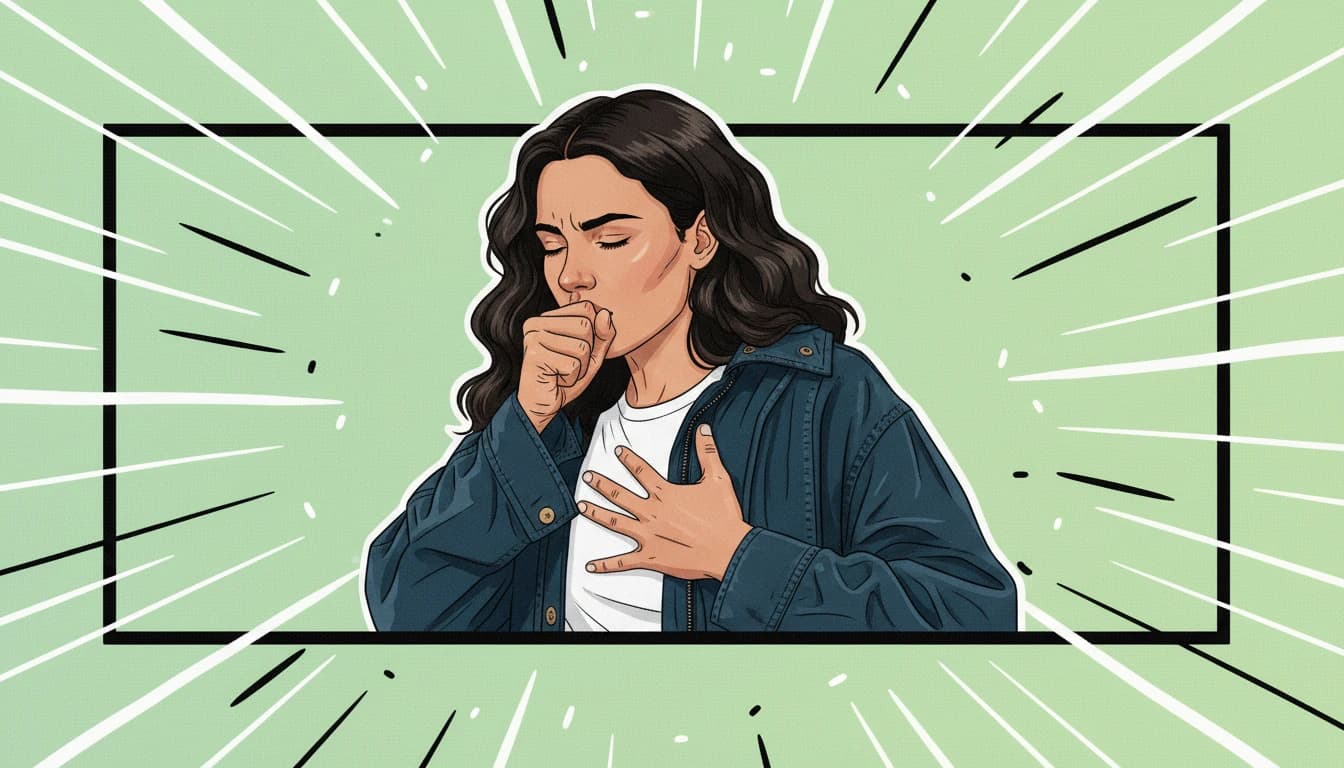
Coughing is one of the most common symptoms prompting medical visits worldwide1 . While many coughs resolve on their own, a persistent cough lasting more than eight weeks in adults can indicate underlying health issues requiring attention2 . Understanding the causes of both acute and chronic coughs is essential for effective treatment and relief3 .
Acute Cough Common Causes
An acute cough typically lasts less than three weeks and often resolves spontaneously4 . It is most commonly caused by viral infections and allergic reactions affecting the upper respiratory tract.
Allergic Rhinitis
Allergic rhinitis affects 10–30% of people worldwide and results from an IgE-mediated immune response to environmental allergens such as pollen, dust mites, and animal dander1 5. When allergens trigger histamine release from immune cells, symptoms like coughing, sneezing, nasal congestion, and itchy, watery eyes develop6 7. Diagnosis often involves skin prick testing to identify specific allergens8 . Treatment focuses on avoiding allergens and using oral antihistamines, which block histamine receptors to reduce symptoms including cough9 10.
COVID
COVID-19, caused by the novel coronavirus SARS-CoV-2, can present with an acute cough among other respiratory symptoms11 12. This viral infection affects the respiratory tract and may cause cough lasting days to weeks during the illness13 .
Flu
Influenza viruses are common causes of acute cough and respiratory illness13 . Flu-related coughs are often dry and severe, lasting up to several weeks as the infection resolves14 .
Pneumonia
Pneumonia is an infection of the lungs that can cause cough with sputum, fever, and difficulty breathing. It is less common as a cause of acute cough but requires prompt diagnosis and treatment to prevent complications15 .
Upper Respiratory Infection (URI)
Viral upper respiratory infections, including the common cold caused by rhinovirus, are the most frequent causes of acute cough11 13. These infections cause inflammation and mucus production in the nasal passages and throat, triggering cough reflexes1 .
Whooping Cough
Whooping cough (pertussis) is a bacterial infection characterized by severe coughing fits that may last several weeks. It is less common but important to recognize due to its contagiousness and potential severity4 .
Chronic Cough Common Causes
Chronic cough is defined as a cough lasting longer than eight weeks in adults16 . It affects about 10% of adults and often signals underlying chronic conditions.
Acid Reflux
Gastroesophageal reflux disease (GERD) causes chronic cough by allowing stomach acid to flow back into the esophagus, stimulating vagal nerve reflexes that trigger coughing17 18. Symptoms often worsen after meals and when lying down17 . Treatment includes lifestyle changes such as elevating the head during sleep and medications like proton pump inhibitors and antacids to reduce acid production19 .
Asthma
Asthma is a major cause of chronic cough and involves airway inflammation and hyperresponsiveness5 20. Coughing in asthma often worsens at night and after exercise21 . Diagnosis relies on clinical history and spirometry testing22 . Inhaled corticosteroids are the mainstay of treatment to reduce airway inflammation and control symptoms7 23.
Cough variant asthma (CVA) is one of the primary causes of chronic cough, significantly impacting quality of life11 .
Chronic Obstructive Pulmonary Disease (COPD)
COPD, often caused by smoking, leads to chronic bronchitis and airway obstruction, resulting in persistent cough with mucus production3 . Smoking cessation is critical to prevent worsening symptoms and disease progression24 .
Medications
Certain medications, especially ACE inhibitors used for blood pressure control, can cause chronic cough in up to 10% of users24 . Switching to alternative drugs usually resolves the cough.
Post-Nasal Drip
Post-nasal drip occurs when excess mucus from the nose and sinuses drips down the back of the throat, irritating cough receptors2 . It is a leading cause of chronic cough and often related to allergies or sinus infections. Treatment includes antihistamines, decongestants, and nasal sprays25 .
Less Common Cough Causes
Less frequent causes of chronic cough include structural and systemic diseases that require specialized evaluation.
- Aspiration of food or liquids can provoke persistent cough and respiratory complications26 .
- Bronchiectasis causes chronic cough with purulent or bloody sputum due to airway damage27 .
- Bronchiolitis involves inflammation of small airways, leading to cough and wheezing28 .
- Cystic fibrosis is a genetic disorder causing thick mucus buildup in the lungs and other organs, resulting in chronic cough29 .
- Lung cancer may present with progressive cough due to tumor growth obstructing airways30 .
- Interstitial lung diseases like pulmonary fibrosis cause chronic dry cough from lung tissue scarring31 .
- Sarcoidosis involves granuloma formation in the lungs and other organs, causing cough32 .
- Imaging studies such as chest CT scans are essential for diagnosing these conditions, while barium enema is not used for respiratory causes33 .
How to Stop Coughing
Stopping a cough effectively depends on addressing its cause and relieving symptoms.
- Hydration helps thin mucus in the throat, making it easier to cough up34 .
- Throat lozenges can soothe dry or tickling coughs34 .
- Expectorants like guaifenesin help loosen mucus in productive coughs34 .
- Decongestants reduce nasal congestion and postnasal drip that trigger cough34 .
- Steam inhalation or hot showers loosen mucus and ease coughing34 .
- Continuation of prescribed treatments for chronic conditions such as asthma or COPD is essential to control cough35 .
Infants and Young Children
- Cough drops are not safe for infants and young children due to choking risk34 .
- Cough medicines should be used cautiously in children under 6 years and only under medical advice34 .
- Honey may relieve cough symptoms in children over 1 year old but is unsafe for infants36 .
- Over-the-counter cough and cold medicines are generally not recommended for children under 12 years36 .
Home remedies like hydration and steam inhalation provide symptomatic relief but should complement medical treatment. Avoid giving cough medicines or honey to infants and young children without consulting a healthcare provider34 36.
Preventing Coughing Fits
Preventing coughing fits involves managing triggers and underlying conditions.
- Avoid allergens by staying indoors during high pollen seasons and using dust mite-proof bedding9 .
- Elevate the head during sleep to reduce acid reflux and GERD-related cough17 .
- Smoking cessation is vital to prevent cough exacerbation in COPD and other lung diseases24 .
- Minimize exposure to irritants such as smoke, dust, and strong odors24 .
- Adhere to prescribed treatments for chronic respiratory diseases to maintain symptom control35 .
When to See a Doctor
Most acute coughs resolve within three weeks, but persistent coughs lasting more than 10–14 days or worsening symptoms require medical evaluation15 . Seek prompt care if you experience:
- Coughing up blood (hemoptysis) 15
- High fever lasting more than two days15
- Shortness of breath or wheezing15
- Unexplained weight loss or night sweats24
- Persistent hoarseness or difficulty swallowing24
- Cough interfering with sleep or daily activities3
Early consultation helps identify treatable causes and prevents complications such as secondary infections15 .
Key Takeaways
- Acute cough is most often caused by viral infections and allergic rhinitis, resolving within three weeks4 1.
- Chronic cough lasts longer than eight weeks and commonly results from asthma, GERD, COPD, postnasal drip, or medications16 2.
- Less common causes include aspiration, bronchiectasis, lung cancer, and interstitial lung diseases requiring specialized imaging37 33.
- Symptomatic relief includes hydration, throat lozenges, steam inhalation, and appropriate medications; caution is needed in children34 36.
- Persistent or severe cough with warning signs warrants prompt medical evaluation to ensure proper diagnosis and treatment15 .
Frequently Asked Questions
What is the difference between acute and chronic cough?
Acute cough lasts less than three weeks and usually resolves on its own, while chronic cough persists for more than eight weeks in adults and may indicate underlying health issues4 16.
Can allergies cause a cough?
Yes, allergic rhinitis causes cough due to histamine release triggered by allergens like pollen and dust mites. Treatment includes allergen avoidance and antihistamines5 9.
Are cough medicines safe for children?
Cough medicines and cough drops are generally not recommended for children under 6 years old due to safety concerns. Honey can be used for children over 1 year but should be avoided in infants34 36.
When should I see a doctor for a cough?
See a healthcare provider if your cough lasts more than 10–14 days, or if you have symptoms like coughing up blood, high fever, shortness of breath, or unexplained weight loss15 .