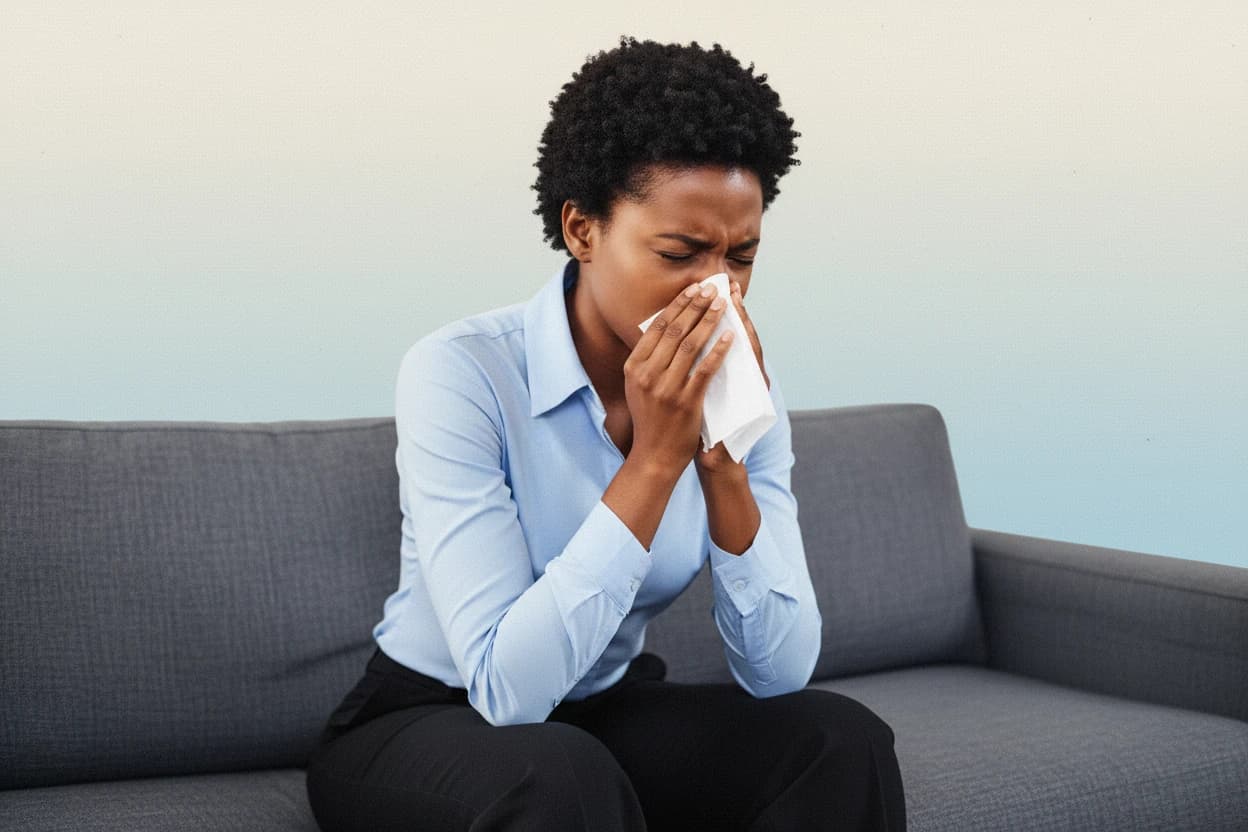
Pneumonia is a common lung infection that inflames the air sacs in one or both lungs, often filling them with fluid or pus. This condition can cause symptoms ranging from mild to life-threatening, including a persistent cough that produces discolored mucus, fever, chills, and difficulty breathing1 . It affects people of all ages but is most serious for infants, older adults, and those with weakened immune systems or chronic health conditions2 . Understanding the characteristics, causes, treatment, and potential complications of pneumonia cough is essential for timely diagnosis and effective management3 .
Pneumonia Cough Characteristics
A pneumonia cough is typically deeper and more persistent than a common cold cough4 . It often starts as a dry cough, especially in viral pneumonia, but usually becomes productive with discolored sputum such as yellow, green, or even bloody mucus as the infection progresses4 5. This cough is a reflex aimed at clearing mucus, fluid, and pathogens from the lungs6 4.
On physical examination, healthcare providers often detect crackles or rales—crackling sounds caused by fluid accumulation in the alveoli (air sacs)—and wheezing, particularly if the bronchial tubes are involved4 . The intensity of coughing may increase during episodes of pneumonia, reflecting worsening inflammation and mucus production4 .
Even after the infection resolves, the cough can persist for weeks due to ongoing airway inflammation and mucus clearance, a phenomenon known as post-infectious cough hypersensitivity4 7. This lingering cough may be deep and resonant, continuing to help clear residual mucus from the lungs4 .
💡 Did You Know?
Pneumonia causes the air sacs in the lungs to fill with fluid or pus, which triggers a persistent cough that helps clear the lungs1 .
Causes of Pneumonia Cough
The cough in pneumonia is caused by irritation and infection of the airways. When the lungs are infected by bacteria, viruses, or fungi, the immune system responds by increasing mucus production to trap and remove pathogens6 4. This excess mucus, along with fluid buildup in the alveoli, stimulates sensory nerves in the airways that trigger the cough reflex4 .
Coughing serves as a protective mechanism to clear the airways of mucus, fluid, and infectious agents, helping to restore normal lung function4 . The type of pneumonia—bacterial, viral, or fungal—can influence the nature of the cough. For example, viral pneumonia often begins with a dry cough that later becomes productive, while bacterial pneumonia usually presents with a productive cough from the start4 5.
Risk factors for developing pneumonia and its characteristic cough include age extremes (under 2 years or over 65 years), chronic lung or heart diseases, weakened immune systems, smoking, and recent hospitalization1 2.
Pneumonia Cough Treatment
Treatment of pneumonia cough focuses primarily on addressing the underlying infection and supporting the body's recovery. Since the cough reflex is a natural response to clear mucus and pathogens from the lungs, suppressing it without treating the infection is not recommended6 4.
Antimicrobial therapy is tailored to the causative organism:
- Bacterial pneumonia is treated with antibiotics, which often lead to symptomatic improvement within a few days6 48.
- Viral pneumonia may require antiviral medications for certain viruses, though many cases resolve with supportive care alone6 48.
- Fungal pneumonia is managed with antifungal agents, and sometimes antibiotics if there is a bacterial co-infection6 4.
Supportive care plays a vital role in recovery and includes:
- Adequate hydration to thin mucus and facilitate its clearance4 8.
- Rest to help the immune system fight the infection and reduce fatigue4 8.
- Avoidance of irritants such as cigarette smoke9 .
- Use of over-the-counter pain relievers and fever reducers like acetaminophen or ibuprofen to manage symptoms9 .
- Humidified air or steam inhalation to loosen mucus9 .
Cough suppressants are generally avoided unless recommended by a healthcare provider, as coughing helps clear the lungs8 . Completing the full course of prescribed antibiotics is crucial to prevent relapse and complications4 8.
“A pneumonia cough is often deep and loud, and may linger for several weeks after other symptoms resolve.”
— Sanja Jelic, Columbia University College of Physicians and Surgeons5
Pneumonia Complications
If pneumonia is left untreated or inadequately managed, it can lead to serious complications that threaten lung function and overall health. Common complications include:
- Lung abscess: A localized collection of pus within the lung tissue6 4.
- Respiratory failure: Severe pneumonia can impair oxygen transfer, requiring mechanical ventilation6 48.
- Sepsis: A systemic inflammatory response to infection that can be life-threatening6 4.
- Pleural effusion: Fluid accumulation around the lungs causing chest pain and difficulty breathing6 4.
Certain populations are at higher risk for these complications, including infants, older adults, immunocompromised individuals, and those with chronic health conditions1 28.
Early diagnosis and appropriate treatment reduce the risk of these complications. Hospitalization may be necessary for severe cases to provide intravenous antibiotics, oxygen therapy, and close monitoring8 .
Pneumonia Cough Summary
Pneumonia is a lung infection that causes inflammation and fluid buildup in the air sacs, leading to a characteristic deep, persistent cough often producing discolored sputum6 41. This cough is a protective reflex to clear mucus and pathogens from the lungs6 4. Treatment depends on the type of pneumonia and includes antibiotics, antivirals, or antifungals, along with supportive care such as hydration and rest6 48.
Persistent cough after pneumonia is common and may last for weeks due to residual airway inflammation4 7. Medical evaluation is recommended if symptoms worsen or do not improve with treatment4 . Preventive measures include vaccination, good hygiene, avoiding smoking, and managing underlying health conditions1 2.
- Pneumonia cough is typically deep, persistent, and productive with discolored sputum, often accompanied by crackles or wheezing4 .
- The cough reflex helps clear mucus and pathogens from the lungs and is triggered by airway irritation and infection6 4.
- Treatment targets the underlying infection with antibiotics, antivirals, or antifungals, plus supportive care like hydration and rest6 48.
- Complications such as lung abscess, respiratory failure, sepsis, and pleural effusion can occur if pneumonia is untreated6 4.
- Persistent cough after pneumonia is common; seek medical attention if symptoms persist or worsen4 .