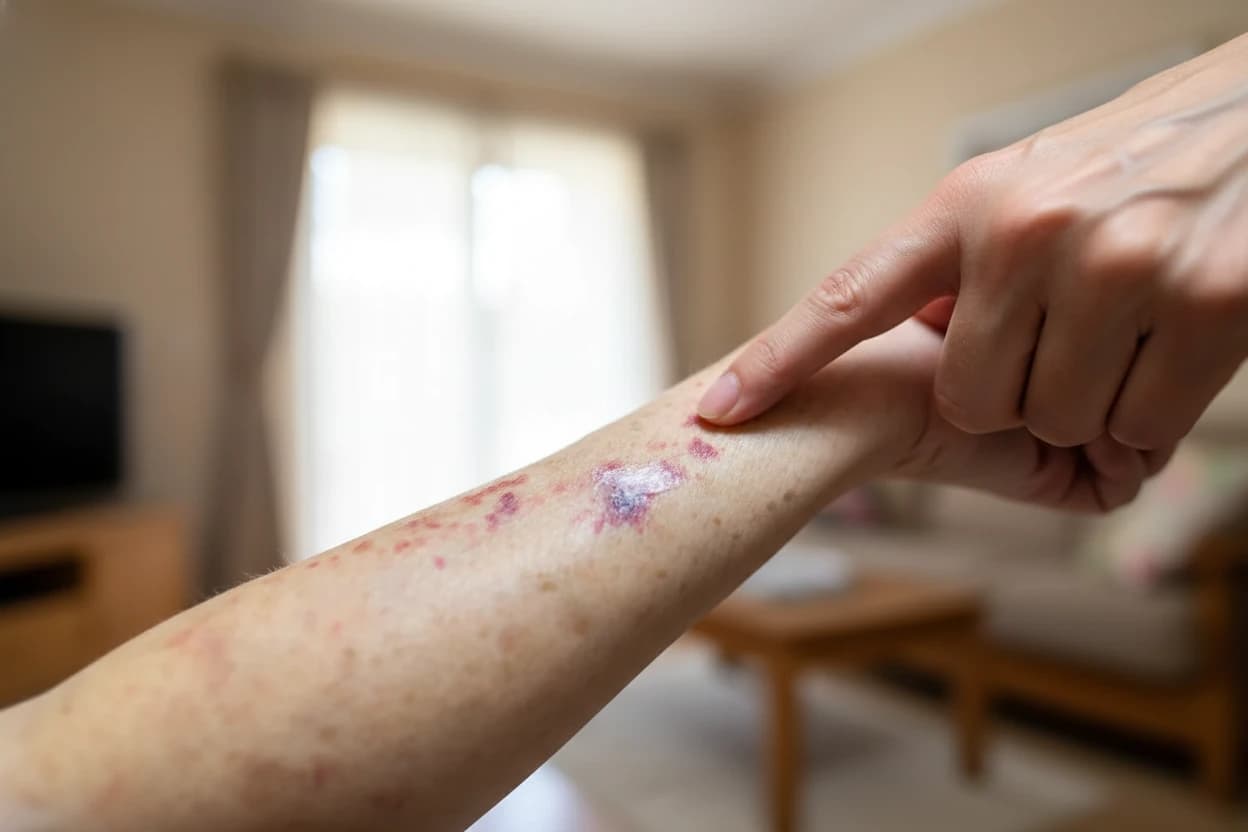
Scalp conditions causing itching and flaking affect millions worldwide, with dandruff being one of the most common issues encountered1 . While dandruff is generally a mild condition manageable with over-the-counter shampoos, scalp psoriasis is a chronic autoimmune disease that leads to an overproduction of skin cells and requires more specialized treatment2 . Understanding the causes, symptoms, and treatment options for each condition is essential for effective management and improved scalp health3 .
Dandruff Causes and Symptoms
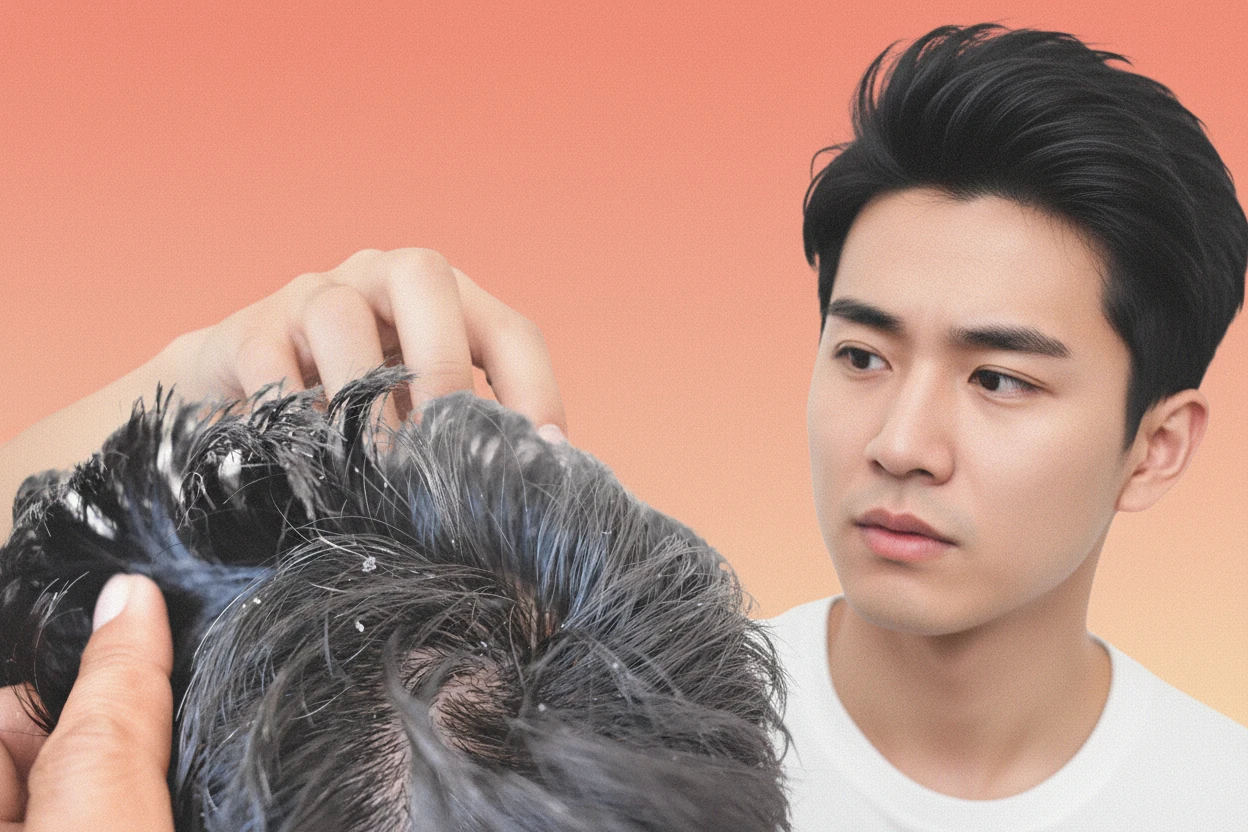
Dandruff is a non-inflammatory form of seborrheic dermatitis restricted to the scalp, characterized by itchy, flaking skin without visible inflammation4 . It results from a combination of factors including sebum production, bacterial proliferation (notably Staphylococcus species, Streptococcus, and Malassezia restricta), and host immune responses5 . The condition is chronic and relapsing, affecting a large portion of the population worldwide5 .
Common causes and contributing factors of dandruff include:
- Overgrowth of the yeast-like fungus Malassezia, which thrives on scalp oils6 .
- Sensitivity to hair care products, such as shampoos, gels, or dyes, causing irritation and flaking3 .
- Infrequent shampooing leading to oil and dead skin buildup3 .
- Dry skin, which can cause small flakes on the scalp and other body areas3 .
- Hormonal influences, with men more commonly affected than women3 .
- Immune system deficiencies, such as in people with HIV, increasing susceptibility3 .
Symptoms of dandruff typically include:
- White or yellow flakes that fall from the scalp onto hair and clothing3 .
- Mild itching without significant redness or inflammation4 .
- Flakes confined to the scalp, sometimes extending to ears, eyebrows, and other oily skin areas like the forehead and nose crease4 .
💡 Did You Know?
Dandruff affects nearly 50% of the global population at some point in their lives, making it a very common scalp condition6 .
Scalp Psoriasis Causes and Symptoms
Scalp psoriasis is a chronic autoimmune disease characterized by rapid skin cell turnover, leading to thick, scaly plaques on clearly defined, erythematous (red) skin7 . It is one of the most prevalent trichological (hair and scalp) disorders and can affect approximately 0.1–1.5% of the global population8 9. The immune system mistakenly attacks skin cells, causing them to grow faster than normal and accumulate on the scalp surface10 .
Key causes and features of scalp psoriasis include:
- Immune system dysregulation causing accelerated skin cell growth10 .
- Genetic predisposition and environmental triggers such as infections, stress, or extreme temperatures3 .
- Association with systemic comorbidities like psoriatic arthritis, metabolic syndrome, diabetes, cardiovascular disease, nephropathy, bowel disease, and neurological disorders9 11.
- Frequent involvement of the scalp in psoriasis vulgaris (common psoriasis) 12.
Symptoms of scalp psoriasis often present as:
- Thick, sharply demarcated plaques with silver-white scaling12 .
- Red, inflamed patches that may extend beyond the hairline to the forehead, neck, and ears3 .
- Intense itching, burning sensations, and soreness3 .
- Temporary hair loss due to follicle damage from scratching or inflammation6 .
- Possible spread to other body areas such as elbows, knees, palms, and back3 .
“Scalp psoriasis is an autoimmune disorder where skin cells turn over too quickly, causing thick, silvery scales and red, inflamed patches that often extend beyond the hairline.”
— Shereen Timani, M.D., FAAD, FASDP, FASMS, Johns Creek Dermatology6
Comparing Dandruff and Psoriasis Symptoms
Distinguishing between dandruff and scalp psoriasis can be challenging due to overlapping symptoms like flaking and itching. However, key differences exist in their clinical presentation and severity.
| Feature | Dandruff | Scalp Psoriasis |
|---|---|---|
| Cause | Non-inflammatory seborrheic dermatitis; yeast overgrowth and oiliness4 5 | Autoimmune disorder causing rapid skin cell growth7 10 |
| Appearance | Small white or yellow flakes; no visible inflammation4 | Thick, sharply defined red plaques with silver-white scales12 |
| Location | Confined to scalp, sometimes ears, eyebrows, oily facial areas4 | Scalp and may extend beyond hairline to forehead, neck, ears3 |
| Itching | Mild to moderate itching4 | Intense itching, burning, soreness3 |
| Inflammation | Absent or minimal4 | Prominent erythema (redness) 12 |
| Duration | Chronic but often intermittent5 | Chronic and persistent7 |
| Hair loss | Rare, usually due to scratching or inflammation6 | Possible temporary hair loss due to plaques and scratching6 |
Both conditions can cause flakes on the scalp, but psoriasis typically produces thicker, silvery scales and more intense symptoms13 . Dandruff flakes tend to be smaller and less adherent, while psoriasis plaques are well-demarcated and may bleed if scratched13 .
Both dandruff and psoriasis can cause flakes of skin on the scalp but are separate conditions. Dandruff may result from an overreaction to yeast or seborrheic dermatitis, a type of eczema. Psoriasis is a chronic autoimmune condition causing dead skin buildup on the scalp and other body areas13 .
Treatment Options for Each Condition
Dandruff Treatment
Dandruff is often manageable with over-the-counter (OTC) medicated shampoos and proper scalp care3 . Treatment aims to reduce scalp flaking, control yeast overgrowth, and soothe itching.
Common treatment strategies include:
- Regular washing with anti-dandruff shampoos containing active ingredients such as ketoconazole, salicylic acid, selenium sulfide, sulfur, tar, or zinc pyrithione3 .
- Avoiding harsh shampoos or hair products that can irritate the scalp14 .
- Rotating between medicated and moisturizing shampoos to prevent scalp dryness3 .
- Gentle scalp massage during shampooing to remove flakes without irritation3 .
- If OTC treatments fail, consulting a dermatologist for prescription-strength shampoos or topical antifungals and corticosteroids may be necessary3 .
Tip: Follow shampoo instructions carefully, leaving the product on the scalp for the recommended time to maximize effectiveness3 .
Scalp Psoriasis Treatment
Both dandruff and scalp psoriasis cause scalp flaking and itching, but psoriasis is a chronic autoimmune disease with more severe symptoms and systemic implications. Early consultation with a healthcare provider ensures appropriate diagnosis and management13 15.
Scalp psoriasis requires more intensive treatment to control inflammation, reduce scaling, and prevent flares15 . There is no cure, but symptoms can be managed effectively.
Treatment options include:
- Topical therapies such as corticosteroids, coal tar preparations, salicylic acid lotions or shampoos, and vitamin D analogs like calcipotriene15 3.
- Use of scale softeners like anthralin or tazarotene to facilitate plaque removal3 .
- Biologic agents targeting immune pathways, especially anti-IL-17 agents, have shown superior control in difficult-to-treat scalp psoriasis16 .
- Systemic medications (oral or injectable) such as methotrexate, cyclosporine, or biologics may be required for extensive disease or psoriatic arthritis15 .
- Phototherapy using ultraviolet (UV) light or excimer laser treatments to reduce plaques3 .
- Supportive care including gentle hair brushing, moisturizing the scalp, and stress management3 .
Tar and salicylic acid are commonly used treatments for scalp psoriasis. Anti-IL-17 agents have achieved better control of scalp psoriasis15 16.
| Treatment Type | Dandruff | Scalp Psoriasis |
|---|---|---|
| Topical shampoos | Ketoconazole, zinc pyrithione, tar | Coal tar, salicylic acid shampoos |
| Topical corticosteroids | Occasionally for severe dandruff | Mainstay for inflammation control |
| Systemic medications | Rarely needed | Methotrexate, biologics, cyclosporine |
| Phototherapy | Not typical | UV light, excimer laser |
| Lifestyle care | Regular washing, gentle scalp care | Moisturizing, stress reduction |
When to Consult a Doctor
Managing scalp psoriasis often requires a combination of topical treatments, systemic medications, and lifestyle changes, while dandruff typically improves with consistent use of medicated shampoos3 .
Most cases of dandruff can be managed at home with OTC products. However, medical consultation is advised if:
- Dandruff symptoms persist or worsen despite treatment15 .
- Flakes are accompanied by redness, swelling, or pain6 .
- There is uncertainty whether the condition is dandruff or scalp psoriasis17 .
- Scalp psoriasis symptoms appear, including thick plaques, bleeding, or extensive scaling15 .
- Signs of psoriatic arthritis develop, such as joint pain or stiffness18 .
Early diagnosis and treatment are crucial to prevent complications and improve quality of life19 . Dermatologists can provide specialized therapies and monitor for systemic involvement in psoriasis15 .
If no improvement is noted with initial treatment, patients should be referred to a dermatologist15 .
Summary of Key Differences
Understanding the key differences between dandruff and scalp psoriasis helps in accurate diagnosis and effective treatment:
- Cause: Dandruff is related to yeast overgrowth and oiliness; psoriasis is an autoimmune disorder causing rapid skin cell growth4 7.
- Symptoms: Dandruff causes mild itching with small flakes; psoriasis causes thick, red plaques with silvery scales and intense itching4 12.
- Distribution: Dandruff is limited to the scalp and oily skin areas; psoriasis may extend beyond the scalp and affect other body parts4 3.
- Treatment: Dandruff responds well to OTC shampoos; psoriasis often requires prescription topical or systemic therapies3 15.
- Hair Loss: Both can cause hair loss indirectly through scratching or inflammation, but psoriasis-related hair loss is usually temporary6 .
Accurate differentiation between these conditions is essential to avoid ineffective treatments and potential complications19 .