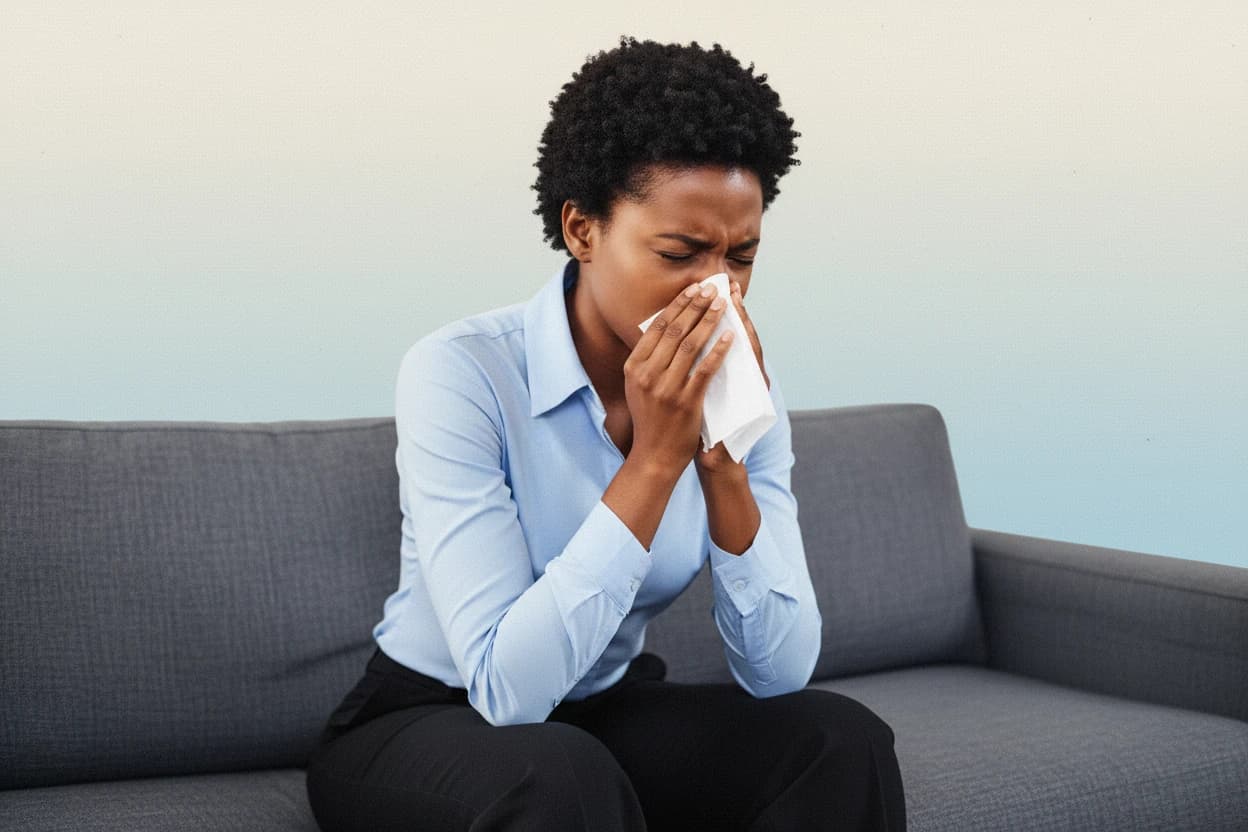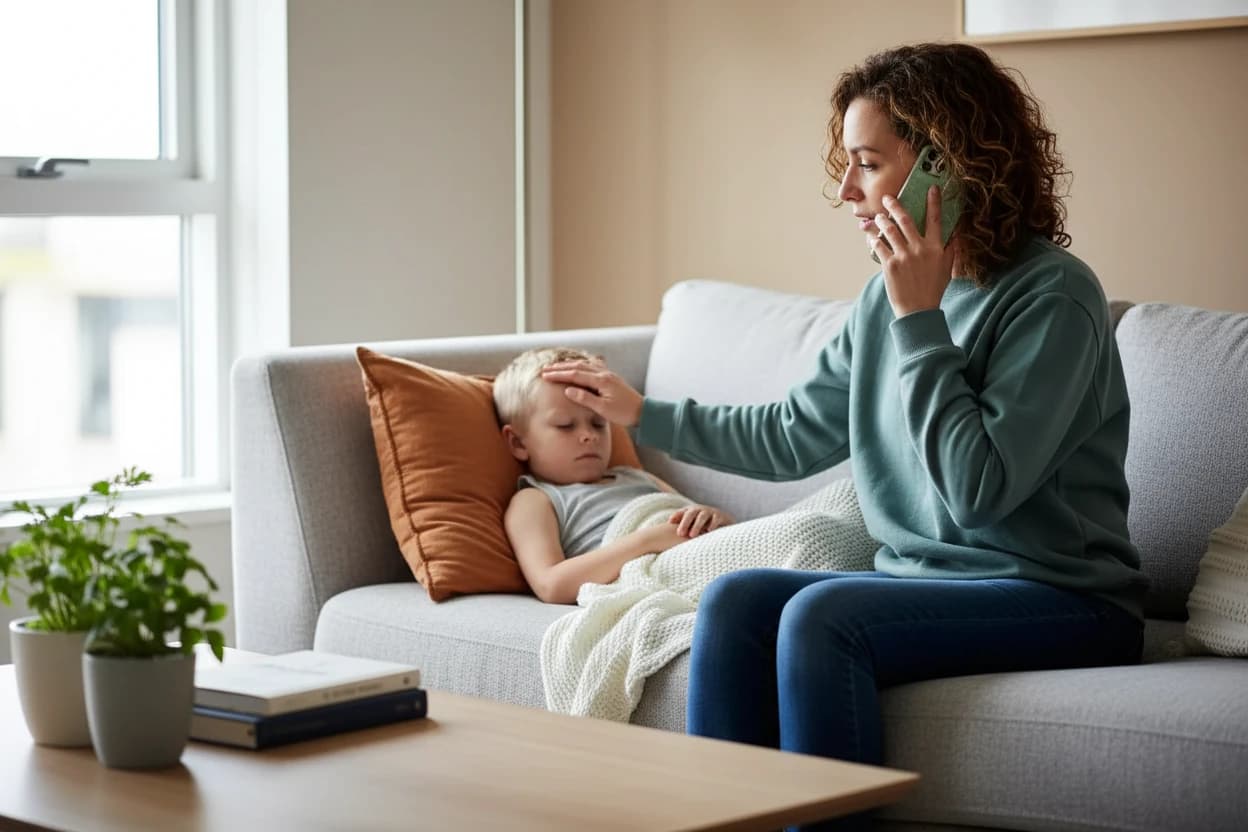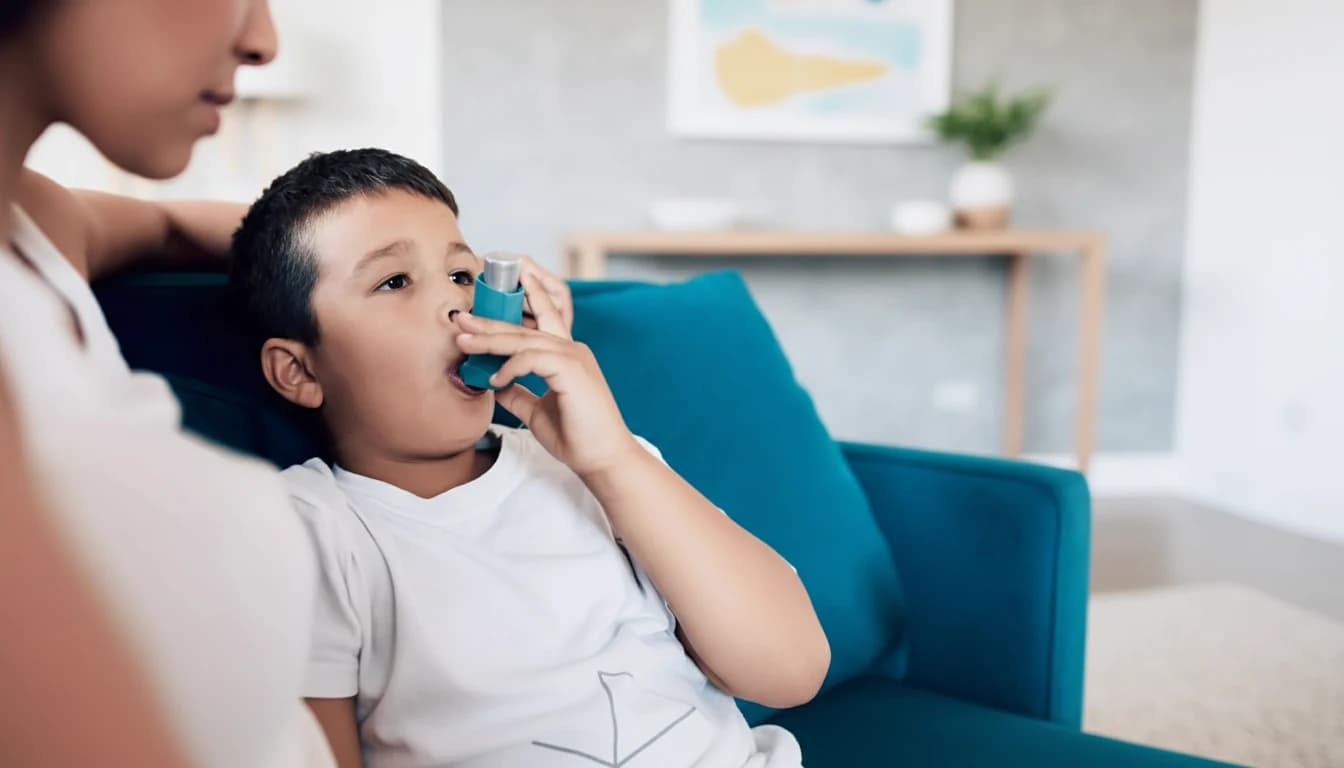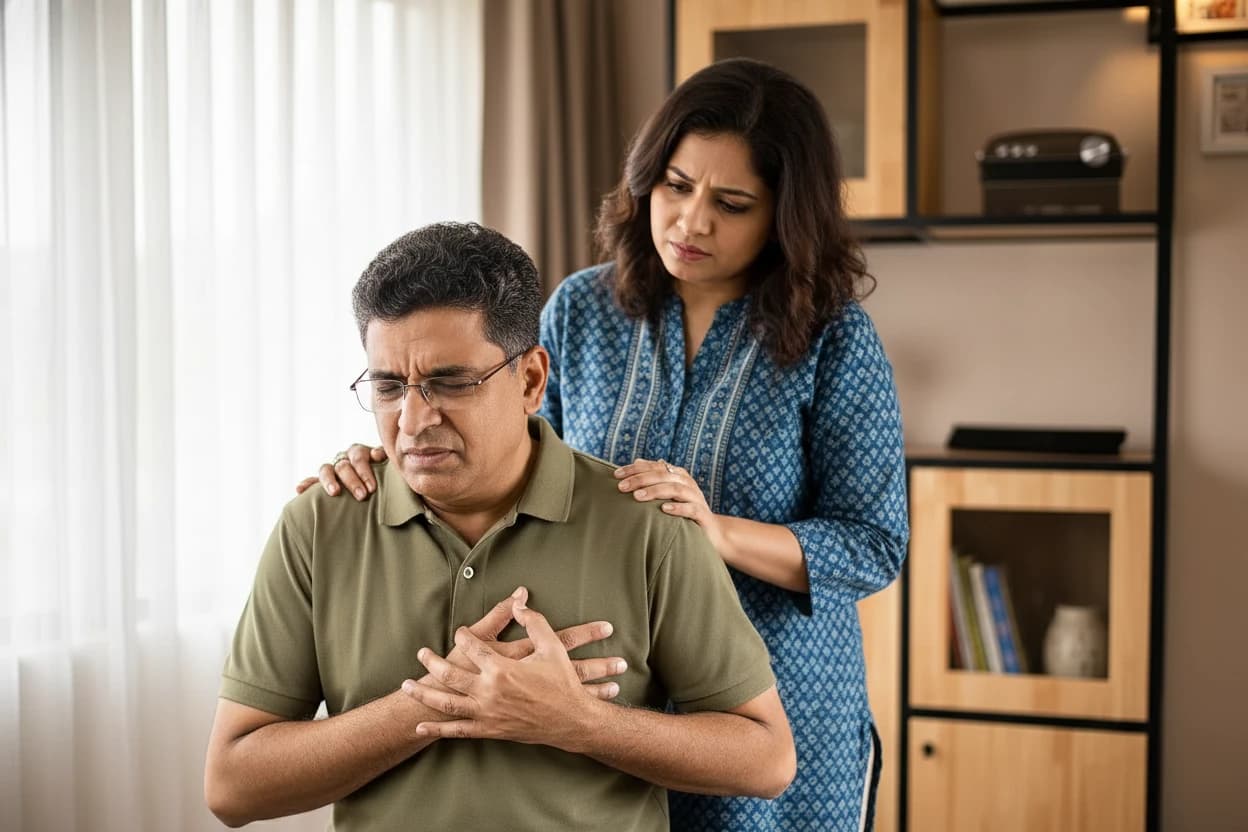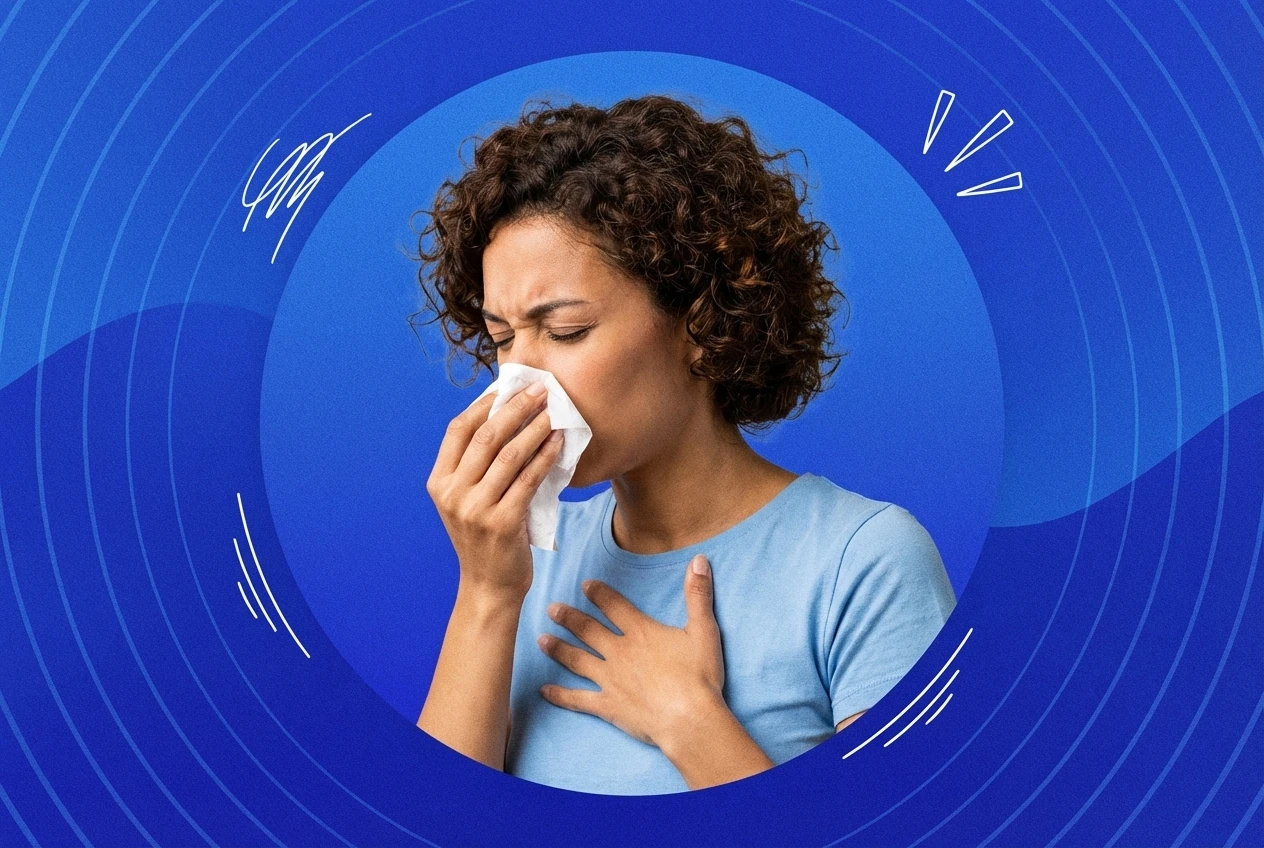
Walking pneumonia is a mild form of pneumonia that often allows people to continue their daily activities without feeling severely ill1 . It is a common lung infection, especially among children and young adults, and is usually caused by the bacterium Mycoplasma pneumoniae2 3. Despite its mild nature, walking pneumonia can last for several weeks and sometimes lead to complications if untreated4 5.
Walking Pneumonia Symptoms
Symptoms of walking pneumonia typically develop gradually over one to four weeks and may persist for several weeks4 6. The condition often mimics a cold or mild flu, making it easy to overlook4 6. Common symptoms include:
- Persistent dry cough that can last for weeks or even months7 85
- Mild fever, usually below 101°F (38.3°C) 59
- Headache and general malaise (feeling unwell) 71
- Sore throat and nasal congestion1 9
- Mild chills and fatigue1 5
- Chest pain or discomfort, especially when taking deep breaths5 3
- Occasional sputum production, sometimes mixed with saliva10
Because symptoms are often mild, many people with walking pneumonia do not require bed rest or hospitalization and may not realize they have pneumonia11 12. However, the lingering cough is a hallmark symptom that can persist for weeks after other symptoms resolve8 5.
“Walking pneumonia is a common bacterial condition. It produces milder symptoms that appear more gradually than in other types of more serious pneumonia.”
— Mayo Clinic Staff, Mayo Clinic6
Causes of Walking Pneumonia
Walking pneumonia is most commonly caused by the bacterium Mycoplasma pneumoniae, which is responsible for about 15% of community-acquired pneumonia cases2 13. This bacterium is classified as an atypical pathogen because it causes milder symptoms and is harder to detect than typical pneumonia bacteria13 6.
Transmission occurs primarily through respiratory droplets expelled when an infected person coughs, sneezes, talks, or breathes near others10 2. Close contact in crowded environments such as schools, dormitories, or military barracks facilitates the spread of M. pneumoniae14 15.
Risk Factors
Certain groups are more susceptible to walking pneumonia or may experience more severe illness:
- Children and young adults, especially those aged 5 to 15 years old2 63
- Individuals with weakened immune systems or chronic lung conditions such as asthma, COPD, or emphysema7 9
- People living or working in crowded settings14 15
- Tobacco users and those regularly using inhaled corticosteroids3
- Older adults, particularly those over 65 years old9
Secondary bacterial pneumonia can also develop after viral respiratory infections, particularly in immunocompromised individuals10 7.
Walking pneumonia is a mild lung infection. Causes may include bacteria, viruses, or mold1 .
Diagnosing Walking Pneumonia
Diagnosing walking pneumonia can be challenging due to its mild and nonspecific symptoms4 16. A healthcare provider typically begins with a clinical evaluation that includes a physical examination and detailed history taking10 16. Listening to the lungs with a stethoscope may reveal crackling or wheezing sounds, but these signs are often subtle or absent16 .
Diagnostic tools used to confirm walking pneumonia include:
- Chest radiography (X-ray): The gold standard to detect lung involvement and identify patchy infiltrates typical of atypical pneumonia17 11
- Blood tests: Help determine if the pneumonia is bacterial and assess the immune response7 10
- Sputum culture or mucus samples: Used to identify the specific bacterial pathogen, especially M. pneumoniae10 15
Because symptoms can be mild, walking pneumonia is often underdiagnosed or mistaken for a common cold or flu4 11.
“If you have pneumonia symptoms, even if they are mild, you should discuss with your healthcare provider as soon as possible.”
— Dr. Albert Rizzo, American Lung Association12
Walking Pneumonia Treatment Options
Treatment depends on the cause and severity of the infection. Since walking pneumonia is most often bacterial, antibiotic therapy is the mainstay of treatment4 18. Common antibiotics prescribed include macrolides (such as azithromycin), tetracyclines, or fluoroquinolones5 3.
Key treatment points include:
- Early antibiotic treatment improves outcomes and shortens illness duration10 4
- A typical antibiotic course lasts 5 to 10 days5
- Symptomatic treatment with over-the-counter (OTC) medications can help relieve cough, nasal congestion, fever, and pain10 12
- Rest and hydration are important supportive measures during recovery7 12
- Medication use in children should be supervised by a healthcare professional to ensure safety and proper dosing7
Most people start to feel better within three to five days of starting antibiotics, but the cough may persist for several weeks5 12. If walking pneumonia is caused by a virus, antibiotics are ineffective, and treatment focuses on supportive care11 .
| Treatment Aspect | Details | Citation |
|---|---|---|
| Antibiotics | Macrolides, tetracyclines, fluoroquinolones | 53 |
| Symptomatic relief | OTC meds for cough, congestion, fever, pain | 1012 |
| Supportive care | Rest and hydration | 712 |
| Duration of antibiotics | 5 to 10 days | 5 |
| Recovery time | Symptom improvement in 3-5 days; cough may last weeks | 512 |
Preventing Walking Pneumonia
Preventive measures focus on reducing transmission and strengthening the immune system. Since walking pneumonia spreads through respiratory droplets, good hygiene and respiratory etiquette are essential10 7. Prevention strategies include:
- Frequent hand washing with soap and water for at least 20 seconds9 7
- Covering the mouth and nose when coughing or sneezing10 7
- Avoiding sharing personal items such as utensils or towels7
- Wearing masks in crowded or high-risk settings, especially for people with respiratory conditions9
- Annual influenza vaccination to reduce the risk of secondary bacterial pneumonia7
- Pneumococcal vaccines recommended for high-risk groups such as young children and older adults7 9
- Maintaining a healthy lifestyle with regular physical activity, balanced nutrition, and adequate sleep to strengthen immune defenses10 9
There is currently no vaccine specifically for Mycoplasma pneumoniae infection15 3.
Walking pneumonia is very contagious and can spread through tiny droplets when an infected person coughs, sneezes, talks, or breathes near others. People can be contagious for two to four weeks before symptoms appear and remain contagious until symptoms end15 1.
Potential Complications
While walking pneumonia is generally mild, it can lead to serious complications, especially in vulnerable populations such as the elderly, young children, and those with weakened immune systems4 19. Possible complications include:
- Progression to more severe pneumonia requiring hospitalization4 15
- Acute respiratory distress syndrome (ARDS), a severe lung inflammation that impairs oxygen exchange4
- Brain inflammation (encephalitis) and meningitis in rare cases4
- Hemolytic anemia caused by immune response to infection6
- Worsening of underlying lung diseases such as asthma or COPD6 9
- Chronic cough or lung conditions like fibrosis developing after infection10
Persistent or worsening symptoms, such as difficulty breathing or high fever, warrant prompt medical evaluation7 15.
Annual influenza vaccination and pneumococcal vaccines help prevent secondary bacterial pneumonia and reduce complications10 7.
Key Takeaways
- Walking pneumonia is a mild, atypical form of pneumonia often caused by Mycoplasma pneumoniae, primarily affecting children and young adults2 6.
- Symptoms develop gradually and include a persistent dry cough, mild fever, headache, and fatigue, often resembling a cold or mild flu4 5.
- Diagnosis relies on clinical evaluation, chest X-rays, and laboratory tests such as blood and sputum cultures10 1716.
- Antibiotics are effective for bacterial walking pneumonia, with supportive care including rest, hydration, and symptom relief4 512.
- Preventive measures include good hand hygiene, respiratory etiquette, vaccination against influenza and pneumococcus, and maintaining a healthy lifestyle7 109.
- Although usually mild, walking pneumonia can cause serious complications in vulnerable individuals, making early diagnosis and treatment important4 19.