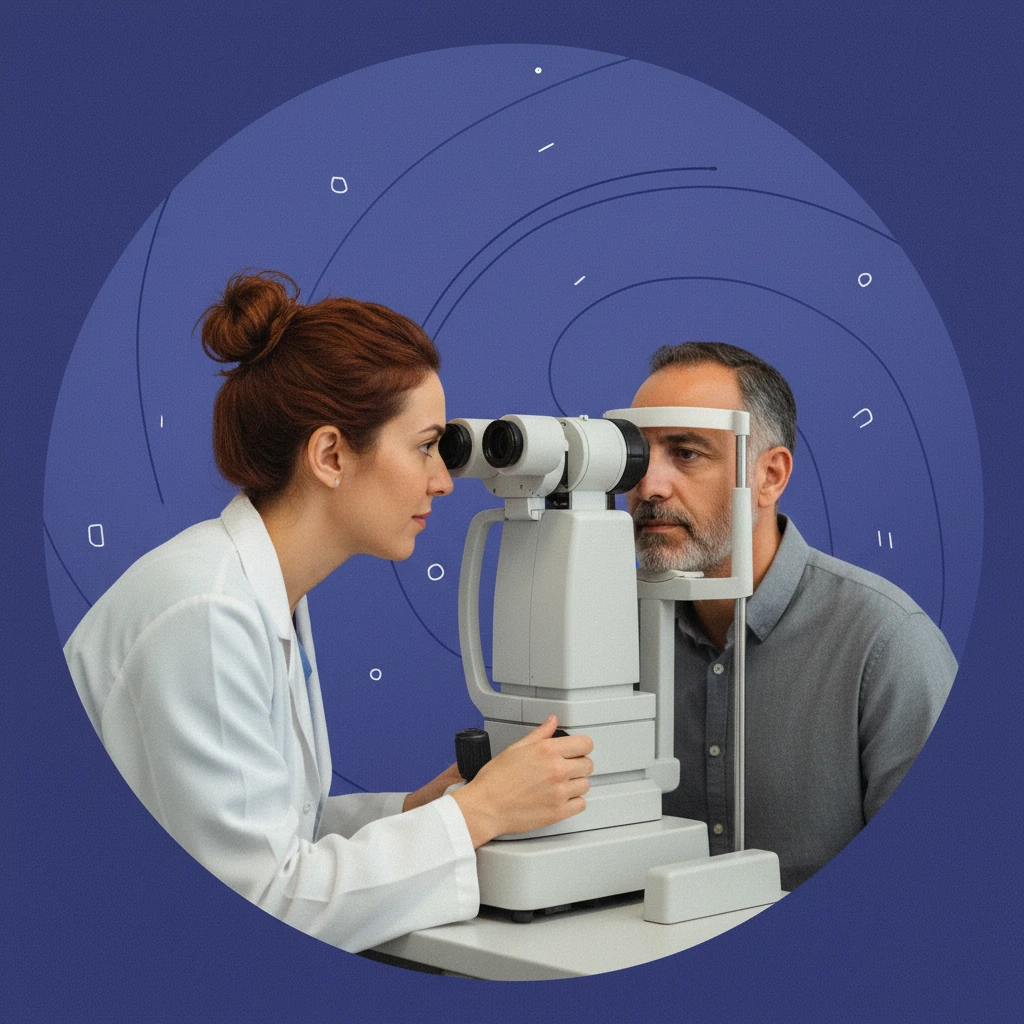
Glaucoma is a leading cause of irreversible blindness worldwide, affecting millions of people across all ages1 . This group of eye diseases damages the optic nerve, often due to increased pressure inside the eye, and can progress silently without early symptoms2 . Early detection and management are crucial to slow or prevent vision loss, especially in high-risk populations3 .
Glaucoma Hereditary Links
Glaucoma is a complex neurodegenerative disorder influenced by both genetic and environmental factors4 . Primary open-angle glaucoma (POAG), the most common form, is multifaceted and heterogeneous, with several genetic variables contributing to its development5 . Early-onset glaucoma, which affects children and young adults, is often inherited through specific genetic mutations and follows Mendelian autosomal dominant or recessive patterns6 .
Genetic mutations can affect ocular structures or the dynamics of aqueous humor (the fluid inside the eye), leading to increased intraocular pressure (IOP) and optic nerve damage7 . Studies have identified genes linked to early-onset glaucoma through family linkage analysis, while adult-onset glaucoma genes have been found via genome-wide association studies4 . The risk of developing POAG is significantly higher in individuals with a family history, with a pooled odds ratio of 2.49 compared to those without such history8 . Having a first-degree relative with glaucoma notably increases one’s risk8 .
Hereditary glaucoma includes several types:
- Primary open-angle glaucoma (POAG)
- Primary angle-closure glaucoma (PACG)
- Congenital glaucoma (present at birth or early childhood)
- Pigmentary glaucoma
Each type involves genetic factors that affect the eye’s drainage system, leading to fluid buildup and optic nerve damage9 .
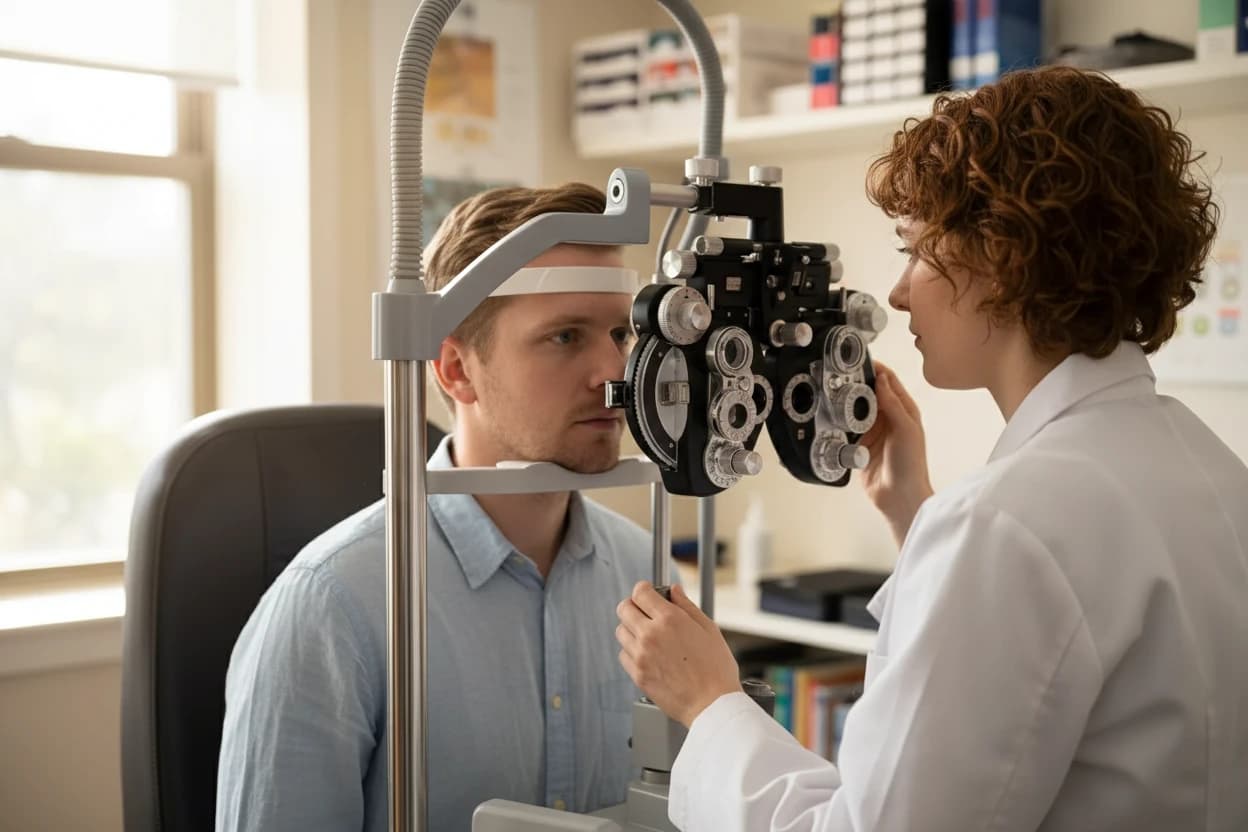
“Get a complete eye exam — which means getting your eyes dilated. Through a dilated exam, we can actually see the optic nerve and assess the size as well as any areas of potential thinning. Some people are born with large optic nerves and will never get glaucoma; but we cannot determine who will and who won't develop glaucoma over time, hence the importance of a yearly eye exam for those with a large nerve. Family history and race are strong risk factors; if you have a close family member with glaucoma, you should get a screening exam. People of African, Hispanic, and East Asian descent are also predisposed to glaucoma (open versus closed angle) and should get a screening exam.”
— Mona Kaleem, Wilmer Eye Institute, Johns Hopkins University10
Glaucoma Risk Groups
Glaucoma can affect anyone but certain groups are at higher risk due to age, ethnicity, family history, and other factors11 . The disease primarily affects older adults, with prevalence increasing sharply after age 6012 . For example, in Japan, about 5% of people aged 40 and over have glaucoma13 . Globally, significant disparities exist in glaucoma incidence across geographic regions and ethnic groups8 .
Key risk groups include:
- People over 60 years old, who have up to six times higher risk than younger individuals3
- Individuals of African, Asian, and Hispanic descent, with African Americans having 6-8 times higher risk than Caucasians3
- Those with a family history of glaucoma, which increases risk 4-9 times3
- Males have a higher incidence of open-angle glaucoma, while females more commonly develop angle-closure glaucoma8
Other factors such as extreme nearsightedness or farsightedness, steroid medication use, and eye injury also place people at increased risk3 .
“Before the eyes are dilated, I also recommend getting a check of the drainage angle. The cornea thickness can also be measured with a small hand-held device. People with a thinner than average cornea are at greater risk for glaucoma and should be monitored.”
— Mona Kaleem, Wilmer Eye Institute, Johns Hopkins University10
Primary Glaucoma Risk Factors
Glaucoma is a multifactorial disease with several risk factors influencing its onset and progression. Elevated intraocular pressure (IOP) is the most important known modifiable risk factor, but many patients continue to experience disease progression despite good IOP control, indicating other mechanisms are involved14 . Vascular factors, oxidative stress, immune dysregulation, and genetic predispositions also contribute to glaucoma risk15 16.
Frailty
Age-related frailty increases susceptibility to glaucoma. The prevalence of glaucoma rises sharply in people over 60 years old, reflecting cumulative damage and reduced ocular resilience12 3. Older adults may also have thinner corneas and compromised optic nerve health, further elevating risk10 .
Eye Injuries
Trauma to the eye can disrupt aqueous humor outflow, leading to elevated IOP and secondary glaucoma17 . Post-traumatic glaucoma is a recognized subtype of secondary glaucoma caused by injury or surgery17 . Eye injuries may cause scarring or blockage in the drainage system, increasing pressure and optic nerve damage risk3 .
Cardiovascular Conditions
Systemic vascular factors such as reduced ocular perfusion pressure and faulty vascular autoregulation have been implicated in glaucoma pathogenesis, though the vascular theory remains controversial16 . Both low and high systemic blood pressure may influence glaucoma risk, but evidence is mixed16 . Cardiovascular diseases can affect blood flow to the optic nerve, potentially increasing vulnerability to damage11 .
Eye Conditions
Several ocular conditions increase glaucoma risk:
- Thin central cornea, which may underestimate true IOP and is associated with higher glaucoma risk3 10
- Large or thinning optic nerve head, which may indicate susceptibility to damage10
- Closed drainage angle, leading to angle-closure glaucoma10
Diabetes
Diabetes is a systemic disease linked to increased glaucoma risk, possibly due to vascular and metabolic changes affecting the eye3 18. Insulin resistance and related metabolic disorders may contribute to retinal and optic nerve vulnerability19 .
Migraine
Migraine has been associated with glaucoma risk, potentially through vascular dysregulation affecting optic nerve blood flow3 .
Obstructive Sleep Apnea
Obstructive sleep apnea may increase glaucoma risk by causing intermittent hypoxia and vascular stress on the optic nerve3 .
Medications
Long-term corticosteroid use is a well-known risk factor for glaucoma, as steroids can elevate intraocular pressure by affecting aqueous humor drainage12 3.
Smoking
While smoking is a risk factor for many eye diseases, its direct role in glaucoma risk is less clear and requires further research3 .
Summary list of primary glaucoma risk factors:
Elevated intraocular pressure (IOP) 14
- Older age (especially over 60 years) 12
- Family history of glaucoma8
- Ethnicity (higher risk in Black, Asian, Hispanic populations) 3
- Eye trauma or surgery17
- Systemic diseases such as diabetes and cardiovascular conditions18 11
- Use of corticosteroids12
- Thin corneas and ocular anatomical variations10
“Glaucoma treatment is one of the fastest growing areas in ophthalmology research and development and the disease management options are improving as time goes on. Our goal is to halt or prevent any further deterioration of optic nerve damage.”
— Mona Kaleem, Wilmer Eye Institute, Johns Hopkins University10
Glaucoma Causes Summary
Glaucoma refers to a group of eye diseases characterized by progressive damage to the optic nerve, often associated with increased intraocular pressure due to impaired aqueous humor drainage2 . The disease is multifactorial, involving genetic predisposition, age-related changes, vascular factors, and environmental influences4 12.
There are two main subtypes:
- Primary glaucoma – no identifiable secondary cause; includes primary open-angle glaucoma and primary angle-closure glaucoma10 .
- Secondary glaucoma – caused by other ocular or systemic conditions such as trauma, inflammation, or medication effects17 .
The basic mechanism involves blockage or dysfunction of the eye’s drainage system, leading to fluid buildup and elevated eye pressure that damages the optic nerve10 . However, glaucoma can also occur with normal eye pressure, indicating other factors like optic nerve sensitivity and vascular insufficiency play roles2 .
Risk factors for glaucoma include:
💡 Did You Know?
Glaucoma is an eye condition that damages the optic nerve, which can lead to vision loss or blindness. The optic nerve sends visual information from your eye to the brain and is vital for good vision21 .
- Elevated intraocular pressure (primary modifiable risk factor) 14
- Age over 55 or 60 years12
- Family history of glaucoma8
- Ethnicity, with higher prevalence in Black, Asian, and Hispanic populations3
- Systemic diseases such as diabetes, hypertension, and migraine18 3
- Eye injuries or surgeries17
- Long-term corticosteroid use12
Early glaucoma is often asymptomatic, with gradual loss of peripheral vision progressing to tunnel vision and eventual central vision loss if untreated2 . Angle-closure glaucoma can cause sudden symptoms requiring emergency treatment2 .
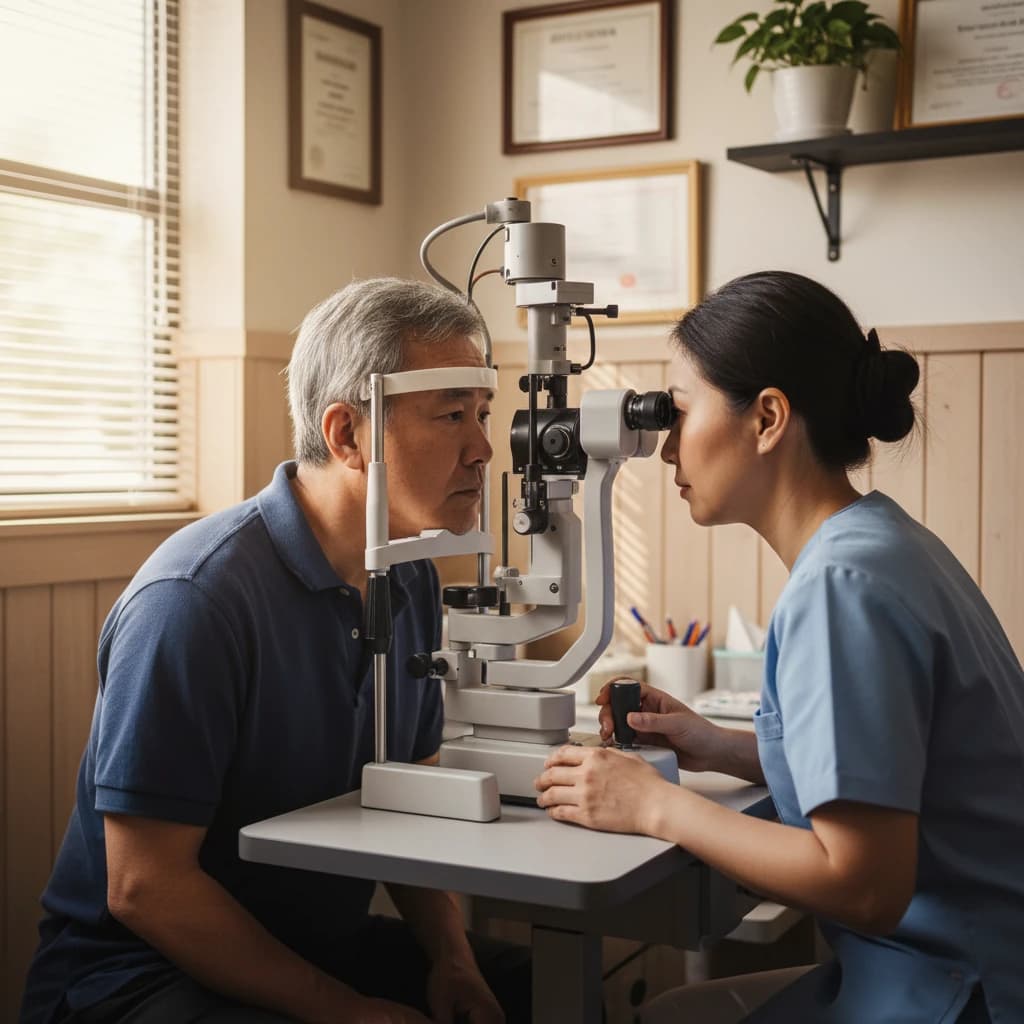
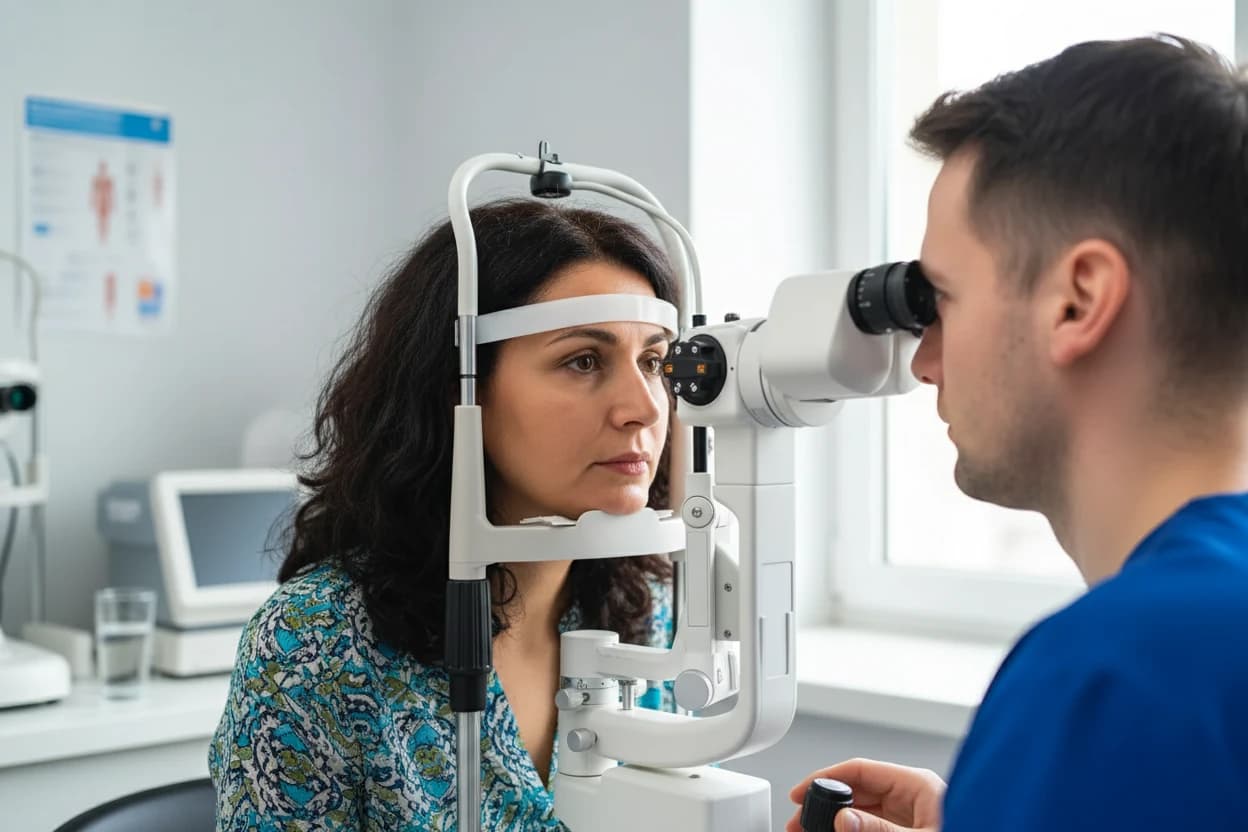
Regular comprehensive eye exams including measurement of eye pressure, evaluation of the optic nerve, and assessment of the drainage angle are essential for early detection and management20 .