Iron deficiency anemia (IDA) is the most common nutritional deficiency worldwide, affecting millions of people across all ages1 2. It occurs when the body lacks sufficient iron to produce healthy red blood cells, reducing hemoglobin levels and impairing oxygen delivery to tissues3 4. This condition often develops gradually, with symptoms ranging from mild fatigue to serious cardiac complications, making early recognition and diagnosis crucial for effective treatment5 4.
Key Symptoms of Iron Deficiency Anemia
Iron deficiency anemia results from decreased hemoglobin and red blood cell production, which limits oxygen transport throughout the body3 4. This oxygen shortage causes a variety of common symptoms that reflect the body's compensatory responses and tissue hypoxia5 4.
- Fatigue and generalized weakness are the most frequent complaints, due to reduced oxygen availability for muscle and organ function5 4.
- Pallor, or paleness of the skin and mucous membranes, occurs as blood flow is redirected to vital organs5 4.
- Cold extremities, such as cold hands and feet, arise from poor peripheral circulation4 .
- Shortness of breath and chest pain may develop as the heart works harder to compensate for low oxygen levels5 46.
- Palpitations or a rapid heartbeat can indicate cardiac strain or underlying heart disease exacerbated by anemia6 .
- Headaches and dizziness may result from cerebral hypoxia4 .
- Irritability and decreased exercise tolerance are common due to systemic oxygen deprivation4 .
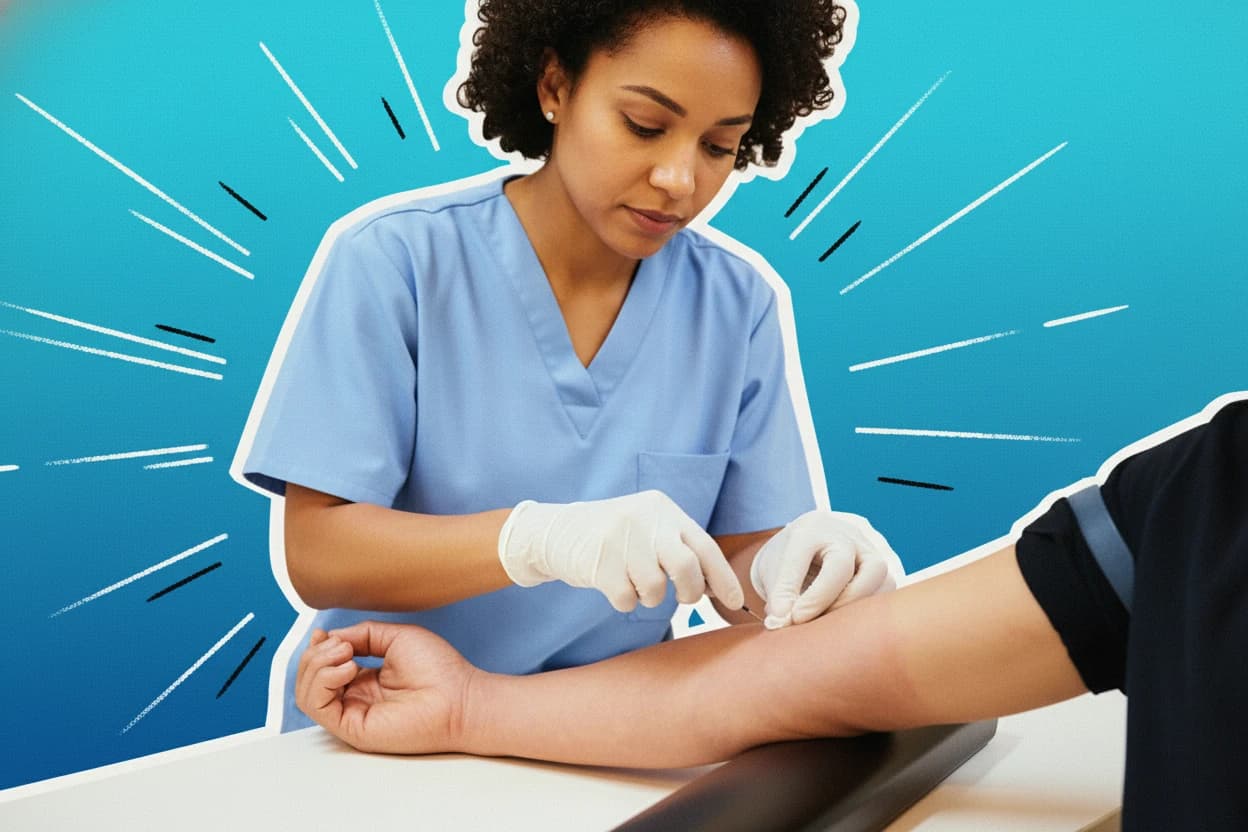
These symptoms can overlap with other medical conditions, so thorough clinical evaluation and laboratory testing, including hemoglobin and iron studies, are essential for accurate diagnosis5 7.
Less Common Symptoms
Beyond the typical signs, iron deficiency anemia can present with less common manifestations that reflect iron's role in neurological, dermatological, and immune functions8 94.
- Pica, the craving for non-food substances like ice, dirt, or paper, is a notable but rare symptom linked to iron deficiency1 4.
- Atrophic glossitis, characterized by a smooth, sore, and inflamed tongue, is an oral sign of iron insufficiency9 4.
- Koilonychia, or spoon-shaped, brittle nails, is a classic dermatological feature of prolonged iron deficiency4 .
- Restless legs syndrome (RLS), marked by uncomfortable sensations and an urge to move the legs, affects about one-third of patients with IDA and often improves with iron treatment8 10.
- Hair thinning and dry skin may occur due to impaired oxygen delivery and nutrient deficiency10 .
- Neuropsychiatric symptoms, including depressive mood and irritability, have been associated with iron deficiency, highlighting its impact on brain function10 .
These rare symptoms emphasize the systemic nature of iron deficiency and the importance of considering IDA in diverse clinical presentations.
“Iron is one of the most important components of the human body. It has multiple roles, but the most critical one is creating hemoglobin to carry oxygen in the blood to tissues.”
— Stephen Macari, MD, Hartford HealthCare Medical Group11
Iron Deficiency Symptoms in Children
Iron deficiency anemia is a significant health concern in children, often presenting with subtle or atypical symptoms that can affect growth and development1 1213. Because children have increased iron needs during rapid growth phases, early detection is vital.
- Common symptoms in children include pallor, fatigue, irritability, and a fast heartbeat1 1214.
- Pica is also frequently observed in pediatric patients, manifesting as cravings for ice or dirt1 12.
- Behavioral changes, such as fussiness or decreased attention, may signal iron deficiency1 13.
- A sore or swollen tongue and enlarged spleen can be physical signs of IDA in children14 .
- Untreated iron deficiency in children is linked to neurodevelopmental delays and cognitive impairment, underscoring the need for prompt intervention13 15.
Routine screening with hemoglobin tests is recommended for infants and toddlers, especially those at risk due to diet or health conditions14 . Treatment typically involves iron supplementation and dietary modifications to ensure adequate iron intake.
Pregnancy and Iron Deficiency Symptoms
Pregnancy increases iron requirements substantially due to fetal growth and expanded maternal blood volume16 . This heightened demand often leads to iron deficiency anemia, which can be difficult to distinguish from normal pregnancy symptoms.
- Fatigue and shortness of breath are common in both pregnancy and IDA, complicating diagnosis16 .
- Nausea and food aversions during pregnancy may reduce dietary iron intake, increasing the risk of deficiency16 .
- Routine screening with complete blood counts early and throughout pregnancy is advised to detect anemia promptly5 16.
- Untreated iron deficiency in pregnancy is associated with risks such as preterm birth and low birth weight5 16.
- Iron supplementation before and during pregnancy supports maternal health and fetal development16 .
Because symptoms overlap, healthcare providers emphasize laboratory testing and careful clinical assessment to identify and manage iron deficiency anemia in pregnant individuals.
When to Seek Medical Care
Pregnancy increases iron demands significantly, and routine screening is essential to differentiate normal pregnancy symptoms from iron deficiency anemia and to ensure maternal and fetal health16 .
Prompt medical evaluation is essential when symptoms of iron deficiency anemia worsen or appear suddenly, especially those indicating cardiac or respiratory compromise5 76.
- Seek urgent care if you experience sudden chest pain, severe shortness of breath, or palpitations7 6.
- Persistent fatigue, dizziness, or pallor warrant medical assessment and laboratory testing for anemia4 7.
- Individuals with risk factors such as heavy menstrual bleeding, gastrointestinal symptoms, or poor dietary intake should consult a healthcare provider for screening17 16.
- Children showing behavioral changes, pica, or growth delays should be evaluated promptly1 13.
- Pregnant individuals with symptoms suggestive of anemia require routine monitoring and follow-up blood tests16 .
Early diagnosis allows for timely treatment, reducing the risk of complications and improving quality of life.
“In women who are menstruating, iron deficiency usually is a result of a subtle imbalance between what we’re eating and what we’re absorbing and what we’re excreting. It is very rarely a sign of more significant pathology.”
— Richard Eisenstaedt, MD, Abington, Pennsylvania18
Iron Deficiency Anemia Summary
Iron deficiency anemia develops gradually as iron stores are depleted and hemoglobin production declines, leading to impaired oxygen delivery to tissues4 7. Symptoms often start mild and worsen over time, making early recognition challenging4 .
Diagnosis requires blood tests measuring hemoglobin, serum ferritin, iron levels, and total iron-binding capacity5 17. Identifying the underlying cause, such as blood loss or malabsorption, is critical for effective treatment17 19.
Treatment involves iron supplementation, either oral or intravenous, depending on severity and absorption capacity19 . Adherence to therapy is essential for hematologic recovery and symptom improvement, which may take weeks to months19 .
| Stage of Iron Deficiency Anemia | Description | Clinical Features |
|---|---|---|
| First Stage | Iron stores decrease without affecting red blood cells | No anemia symptoms yet20 |
| Second Stage | Bone marrow produces red blood cells with insufficient hemoglobin | Mild symptoms like fatigue20 |
| Third Stage | Hemoglobin drops below normal range, causing anemia symptoms | Fatigue, pallor, dyspnea20 |
| Sources: 20 | ||
Early treatment prevents complications such as heart failure, developmental delays in children, and adverse pregnancy outcomes5 413.
Restless legs syndrome affects about one-third of patients with iron deficiency anemia and typically improves with iron supplementation, highlighting the neurological impact of iron deficiency8 10.
Iron Deficiency Anemia FAQs
What causes iron deficiency anemia?
Iron deficiency anemia results from inadequate iron intake, chronic blood loss (e.g., heavy menstruation, gastrointestinal bleeding), malabsorption disorders, or increased requirements such as pregnancy and growth spurts17 1618.
What are the common symptoms of iron deficiency anemia?
Typical symptoms include fatigue, weakness, pallor, shortness of breath, cold extremities, and palpitations. Less common symptoms include pica, restless legs syndrome, and brittle nails5 410.
Iron deficiency anemia symptoms often develop slowly, making early detection difficult. Prompt medical evaluation and laboratory testing are key to effective treatment and preventing complications4 57.
How is iron deficiency anemia diagnosed?
Diagnosis is confirmed through blood tests measuring hemoglobin, serum ferritin, serum iron, and total iron-binding capacity. Additional tests may be needed to identify the cause of iron deficiency5 177.
How is iron deficiency anemia treated?
Treatment involves iron supplementation, dietary changes to increase iron intake, and addressing underlying causes. Oral iron is common, but intravenous iron may be necessary in cases of malabsorption or severe deficiency19 2.
When should I see a healthcare provider?
Consult a healthcare provider if you experience persistent fatigue, pallor, shortness of breath, or symptoms like chest pain and palpitations. Children with behavioral changes or pica and pregnant individuals with anemia symptoms should also seek care promptly4 716.