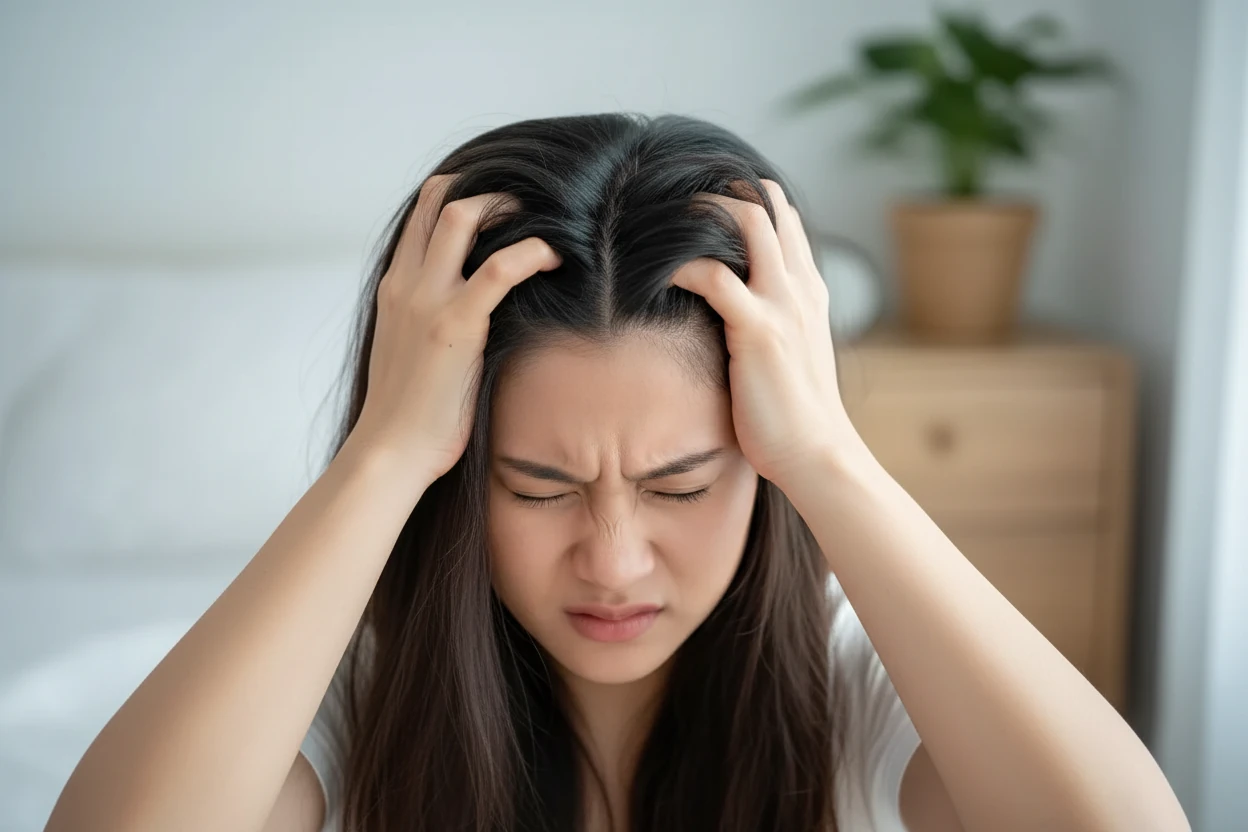
Head lice infestations affect millions of people worldwide, especially children, and can cause intense itching and discomfort1. Dandruff, a common scalp condition, affects up to half of adults at some point, leading to flaky skin and mild itching2. Although both conditions share some symptoms, they have different causes, treatments, and implications for contagiousness3. Understanding these differences is key to proper diagnosis and management4.
Lice and Dandruff Symptoms
Both lice and dandruff cause itching and visible flakes or specks on the scalp, which can be confusing5. However, there are distinct features that help differentiate them:
- Head lice infestations are marked by the presence of live lice and nits (lice eggs) attached firmly to the hair shaft56.
- Nits are small, oval, white or yellowish specks that cling tightly to hair and cannot be easily brushed off56.
- Lice-related itching tends to be more intense and often worsens at night when lice are more active61.
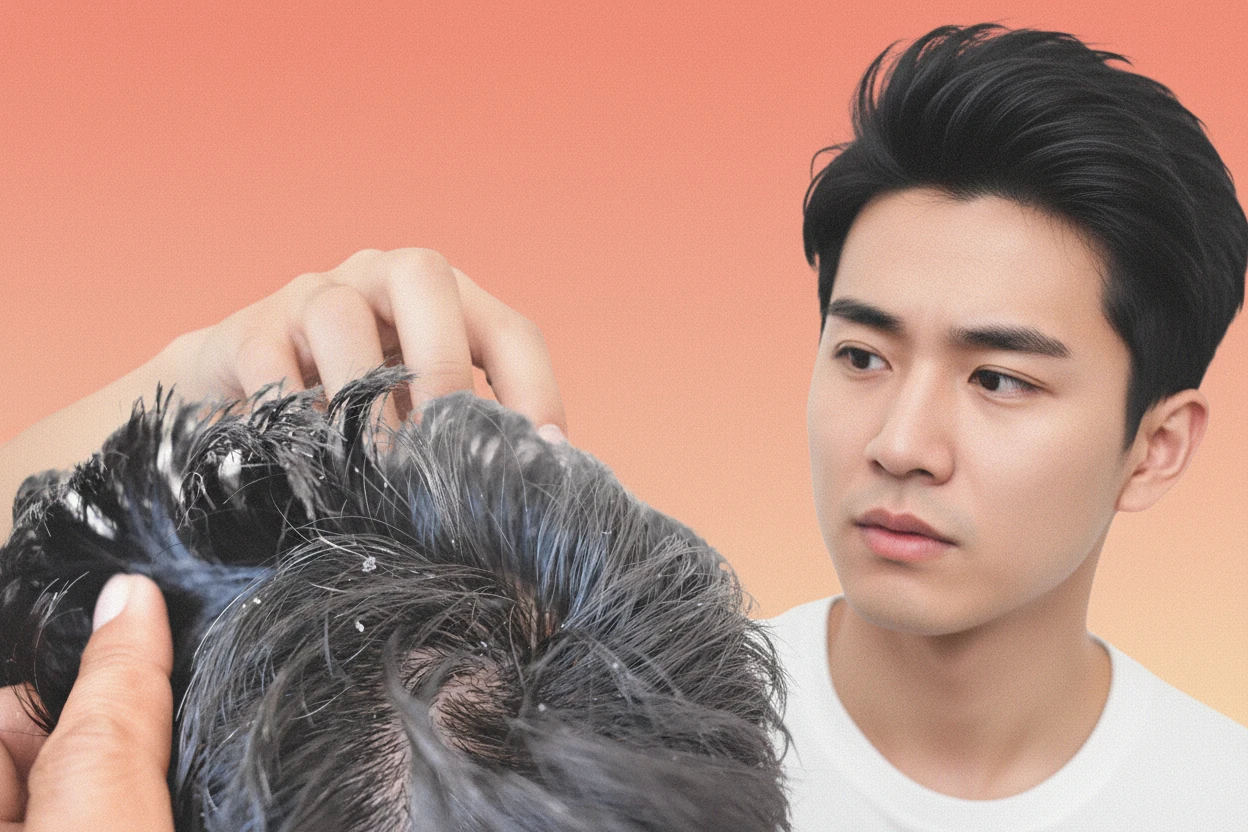
- Dandruff presents as white or yellowish flakes of dry skin on the scalp and clothing, which can be easily brushed or shaken off78.
- The itching from dandruff is generally milder compared to lice and is often related to scalp dryness or oiliness78.
A close examination reveals that nits are teardrop-shaped and firmly attached near the scalp, while dandruff flakes are loose and fall away easily4. Lice themselves are tiny, about the size of a sesame seed, and can be tan, brown, or black, whereas dandruff flakes are white or yellowish4.
Key Differences Between Lice and Dandruff
Contagiousness
Lice and dandruff differ significantly in how they spread:
- Head lice are contagious parasites that spread mainly through direct head-to-head contact and sharing personal items like combs, hats, or towels61.
- Lice can crawl rapidly on the scalp, moving up to 23 cm per minute, facilitating quick transmission during close contact61.
- Children are at higher risk due to frequent close interactions during play and school activities61.
- School policies often require children with lice to stay home until treatment is completed to prevent spread61.
- In contrast, dandruff is a noncontagious skin condition and cannot be transmitted from person to person78.
Causes
The underlying causes of lice and dandruff are distinct:
- Head lice are parasitic insects (Pediculus humanus capitis) that feed on human blood and live on the scalp61.
- Lice infestations are unrelated to personal hygiene and can affect anyone with close contact or shared items61.
- Dandruff results from excessive oil production and overgrowth of Malassezia yeast on the scalp, leading to skin flaking78.
- Environmental factors, hormonal changes, and skin sensitivity also contribute to dandruff development78.
Treatments
Treatment approaches differ due to the nature of each condition:
- Lice require prompt treatment with medicated shampoos containing pediculicides such as permethrin or pyrethrin, often applied twice about a week apart93.
- Thorough combing with a fine-toothed nit comb is essential to remove lice and nits910.
- Washing clothing, bedding, and personal items in hot water (above 130°F) helps prevent reinfestation10.
- Dandruff is managed with medicated shampoos containing ingredients like coal tar, ketoconazole, salicylic acid, selenium sulfide, or zinc pyrithione311.
- Regular use of dandruff shampoos and good scalp hygiene help control symptoms78.
Affected Age Groups
- Head lice infestations are most common in school-aged children, especially between ages 3 and 12, due to their close contact behaviors16.
- Dandruff affects a broad age range, with up to 50% of adults experiencing it at some point; it is less common in young children but can appear as cradle cap in infants273.
| Aspect | Lice | Dandruff |
|---|---|---|
| Contagiousness | Highly contagious via close contact6 | Not contagious7 |
| Cause | Parasitic insect feeding on blood6 | Skin condition due to yeast and oil7 |
| Treatment | Medicated shampoos + nit combing9 | Medicated shampoos with antifungal agents3 |
| Common Age Group | Children 3-12 years1 | Adults and adolescents2 |
| Sources:123679 | ||
Related Stories
Similarities of Lice and Dandruff
Scalp Primarily Affected
Both conditions primarily affect the scalp and can cause visible flakes or specks in the hair17. Dandruff may also affect other sebaceous areas such as eyebrows, nose, ears, and chest, while severe lice infestations can extend to eyebrows and eyelashes76.
Emotional Impact
Lice and dandruff can cause significant social and emotional distress, especially in children and adolescents12. Visible symptoms often lead to embarrassment, reduced self-esteem, and social anxiety17.
Strict Treatment Steps
Effective management of both conditions requires consistent and proper treatment to prevent reinfestation or worsening symptoms17. Incomplete treatment can lead to persistent symptoms and social discomfort17.
| Feature | Lice | Dandruff |
|---|---|---|
| Itching | Intense, often worse at night6 | Mild to moderate, related to scalp dryness7 |
| Flakes/Specks | Nits firmly attached to hair shaft5 | Loose flakes that fall off easily7 |
| Contagiousness | Highly contagious6 | Not contagious7 |
| Treatment | Medicated shampoos + nit combing9 | Medicated shampoos with antifungal agents3 |
| Emotional Impact | Social stigma, school absenteeism1 | Social discomfort, reduced self-esteem1 |
| Sources:135679 | ||
Regular Monitoring Needed
Consistent treatment and monitoring are key to managing both lice and dandruff effectively and improving quality of life17.
Both lice and dandruff cause itching, irritation, and visible flakes, which can be mistaken for one another. Proper identification and treatment are essential to relieve symptoms and reduce social stigma17.
Can You Have Lice and Dandruff Together?
It is possible to have both head lice and dandruff simultaneously, which can complicate diagnosis due to overlapping symptoms17. The causes of each condition are distinct, so having one does not increase the risk of the other17. However, dandruff flakes may obscure lice eggs, and scratching from lice can worsen dandruff symptoms17.
Coexistence of lice and dandruff requires careful examination and treatment to address both conditions effectively12.
When to Seek Medical Care
Most cases of lice and dandruff can be managed at home, but medical evaluation is advised if symptoms persist or worsen17. Consult a healthcare provider or dermatologist if:
- Over-the-counter lice treatments fail after two applications17.
- Persistent scalp sores, redness, or signs of infection develop17.
- Over-the-counter dandruff shampoos are ineffective or dandruff significantly impacts quality of life17.
- You are uncertain about the diagnosis or experience social and emotional distress related to the condition17.
Healthcare providers can offer accurate diagnosis and recommend effective treatments, including prescription options if necessary17.
“Lice and dandruff cause similar symptoms, but they have different causes and treatments. Head lice are tiny parasites that live on the scalp and feed on blood. Dandruff is a skin condition in which dry skin flakes off the scalp.”
— Brendan Camp, MD3
Quick Review
Lice and dandruff are common scalp conditions with overlapping symptoms such as itching and visible flakes, but they differ in cause, contagiousness, and treatment12. Lice are contagious parasitic insects requiring prompt treatment with medicated shampoos and combing, while dandruff is a noncontagious skin condition managed with antifungal or medicated shampoos17. Proper identification, consistent treatment, and monitoring are essential to prevent reinfestation or worsening symptoms17.