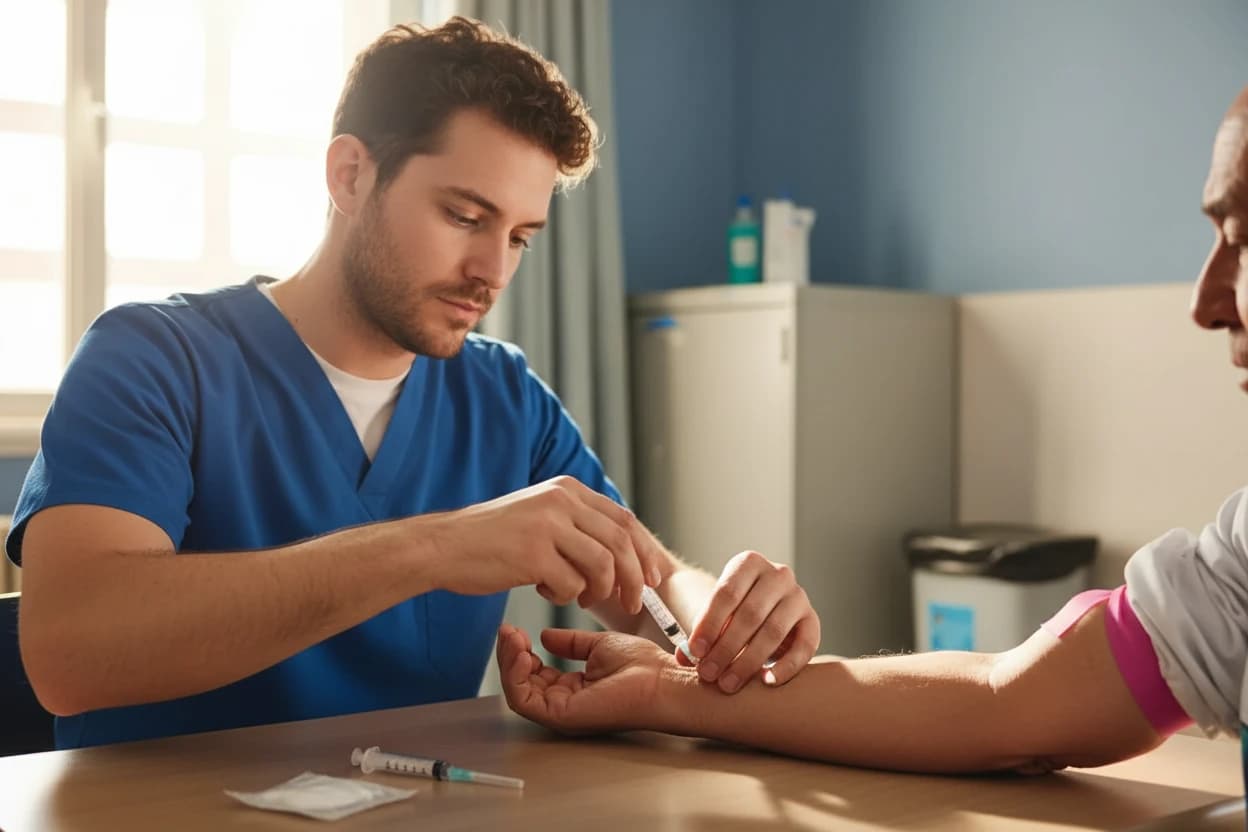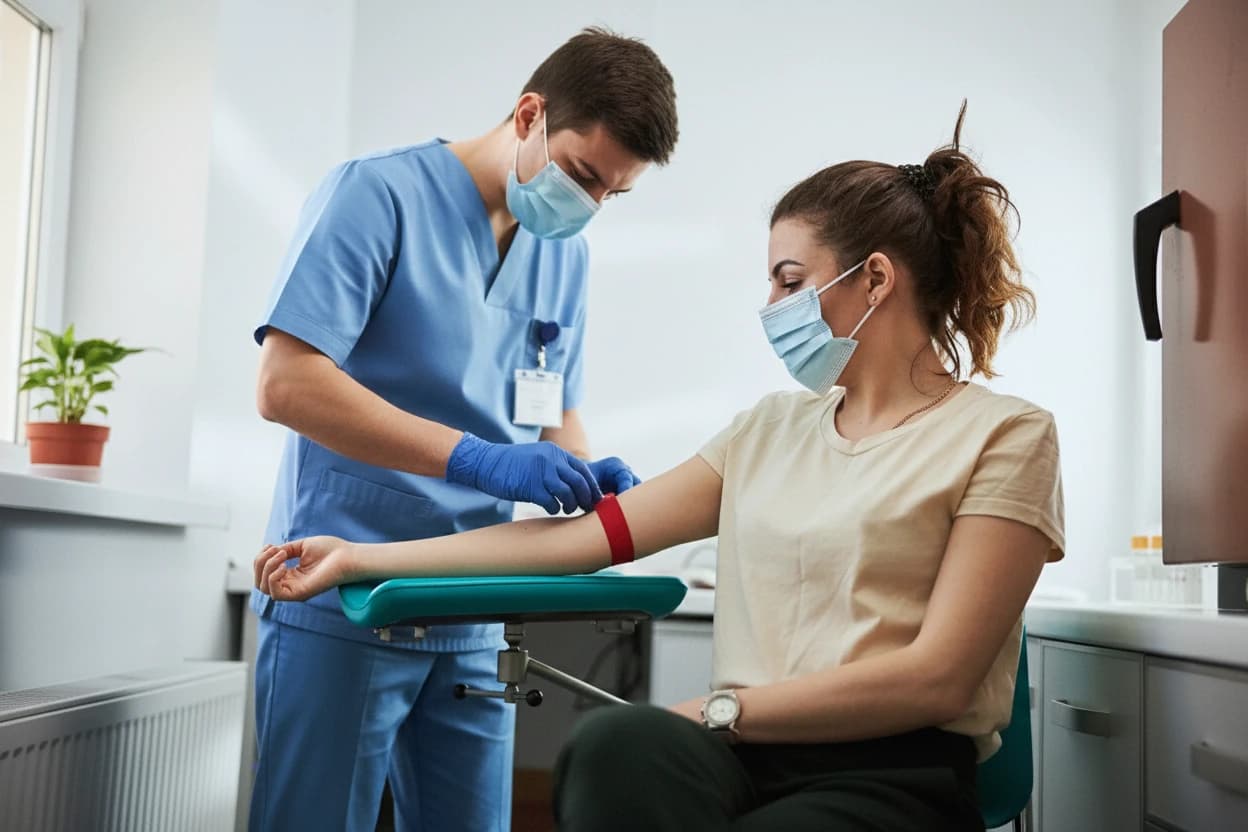
Low hemoglobin, commonly known as anemia, affects nearly one-third of the global population, making it a widespread health concern1 . Hemoglobin is crucial for carrying oxygen to the body's tissues, and its deficiency can impair oxygen delivery, leading to fatigue and other symptoms2 . Understanding the causes, symptoms, and treatment options for low hemoglobin is essential for effective management and prevention2 .
Hemoglobin Basics
Hemoglobin is a protein found in red blood cells that carries oxygen from the lungs to the tissues and returns carbon dioxide from the tissues to the lungs2 . It consists of a globin protein and a heme group, which contains iron and gives blood its red color2 . Each hemoglobin molecule can bind up to four oxygen molecules, enabling efficient oxygen transport3 . The oxygen-carrying capacity of blood is directly related to the concentration of hemoglobin2 . Without adequate hemoglobin, tissues experience hypoxia, or oxygen deprivation, which can impair organ function3 .
Low Hemoglobin Levels
Low hemoglobin levels indicate a reduced capacity of the blood to carry oxygen, often leading to symptoms of anemia2 . Hemoglobin levels are measured through laboratory blood tests, typically as part of a complete blood count (CBC) 4. Normal hemoglobin values vary by age and sex but generally are above 13 g/dL in men and 12 g/dL in women4 . In infants, hemoglobin levels are higher at birth and decrease during the first months of life5 .
What Is a Critically Low Hemoglobin Level?
A critically low hemoglobin level is one that significantly impairs oxygen delivery and increases the risk of organ dysfunction and death2 . Levels below 6.5 g/dL are associated with significant morbidity and mortality2 . Hemoglobin concentrations below 5 g/dL are life-threatening and can lead to cardiac failure2 . Although low hemoglobin detected on routine testing is not always an emergency, severely low levels require urgent medical attention2 .
Causes of Low Hemoglobin
Low hemoglobin, or anemia, results from a decrease in red blood cell mass or hemoglobin concentration2 . The causes can be broadly classified into decreased production, increased destruction, or blood loss2 . Iron deficiency is the most common cause worldwide2 . Other causes include vitamin B12 and folate deficiencies, chronic diseases, genetic disorders, and malignancies2 .
- Nutritional deficiencies such as iron, vitamin B12, and folate impair hemoglobin synthesis2 .
- Chronic diseases like kidney disease and cancer can reduce red blood cell production2 .
- Genetic conditions such as thalassemia and sickle cell disease affect hemoglobin structure or production2 .
- Blood loss from injury, menstruation, or internal bleeding reduces red blood cell mass2 .
- Hemolytic anemia results from increased destruction of red blood cells2 .
- Dilutional anemia can occur due to excessive fluid intake or retention2 .
- Bone marrow infiltration by cancer can impair hemoglobin production2 .
“Menstruating women have the highest dietary iron needs to maintain adequate levels of iron in the blood and adequate hemoglobin.”
— Amar Kelkar, MD, MPH, Dana-Farber Cancer Institute6
Symptoms of Low Hemoglobin
Symptoms of low hemoglobin arise primarily from tissue hypoxia due to impaired oxygen delivery2 . Mild anemia may be asymptomatic, especially if it develops slowly7 . As hemoglobin levels decrease, symptoms become more apparent and can include:
- Fatigue and weakness2
- Pallor (pale skin and mucous membranes) 2
- Shortness of breath, especially with exertion2
- Dizziness or lightheadedness2
- Rapid or irregular heartbeat (tachycardia) 2
In severe cases, symptoms may escalate to chest pain, confusion, and syncope (fainting) 2. These symptoms reflect the body's compensatory mechanisms and the impact of reduced oxygen supply on vital organs2 .
“There’s always been a fairly common prevalence of iron deficiency in women of reproductive years because of a tenuous balance between the amount of iron that we normally ingest and the amount that we absorb balanced by an obligate loss of iron.”
— Richard Eisenstaedt, MD, Abington, Pennsylvania6
Treatment Options for Low Hemoglobin
Treatment of low hemoglobin focuses on addressing the underlying cause2 . Management strategies vary depending on the etiology and severity of anemia.
- Nutritional supplementation: Oral or intravenous iron supplements are used for iron deficiency anemia2 . Vitamin B12 and folic acid supplements treat corresponding deficiencies2 .
- Blood transfusion: Reserved for severe anemia or acute blood loss to rapidly restore hemoglobin levels2 .
- Management of chronic disease: Treating underlying conditions such as chronic kidney disease or malignancy can improve anemia2 .
- Bone marrow transplantation: May be necessary for anemia due to bone marrow failure2 .
Hemoglobin levels typically improve within 6 to 8 weeks of appropriate supplementation2 . Intravenous iron or vitamin B12 may be used for rapid correction in severe cases or when oral therapy is not tolerated2 . Dietary counseling is often essential to support treatment and prevent recurrence8 .
Effective treatment of anemia requires identifying the underlying cause. Iron deficiency, the most common cause, is often managed with supplements and dietary changes, while severe cases may need blood transfusions or specialized therapies2 8.
Preventing Low Hemoglobin
Prevention of low hemoglobin depends largely on addressing modifiable risk factors, especially nutritional deficiencies2 . Adequate intake of iron and vitamin B12 is essential for hemoglobin synthesis2 . Dietary sources of iron include meat, beans, fortified cereals, and leafy green vegetables2 . Vitamin C-rich foods such as citrus fruits and bell peppers enhance iron absorption from plant sources2 .
- Ensure sufficient iron intake through diet or supplements, especially in menstruating women and pregnant individuals6 .
- Monitor vitamin B12 intake, particularly in vegetarians and vegans, who may require fortified foods or supplements2 .
- Avoid excessive intake of substances that impair iron absorption, such as antacids and high-fiber foods, during iron supplementation6 .
- Manage chronic diseases that may contribute to anemia2 .
- Regular screening in high-risk populations can facilitate early detection and prevention8 .
Vitamin C enhances the absorption of non-heme iron from plant sources, making citrus fruits and bell peppers valuable in preventing nutritional anemia2 .
Key Takeaways
- Hemoglobin is a vital protein in red blood cells responsible for oxygen transport; low levels impair oxygen delivery and cause anemia2 .
- Normal hemoglobin levels are generally above 13 g/dL in men and 12 g/dL in women; levels below these thresholds indicate anemia4 .
- Iron deficiency is the most common cause of low hemoglobin worldwide, often due to blood loss or inadequate intake2 .
- Symptoms of low hemoglobin include fatigue, pallor, shortness of breath, and rapid heartbeat, worsening as levels decline2 .
- Treatment targets the underlying cause and may include nutritional supplements, blood transfusions, or management of chronic diseases2 .