Razor bumps are a common skin problem that affects many people who shave regularly, especially those with curly or coarse hair1 . These small, inflamed bumps can cause discomfort and affect skin appearance, often appearing shortly after shaving2 . Understanding the causes, symptoms, and effective treatments is essential to managing and preventing razor bumps3 .
Symptoms of Razor Bumps
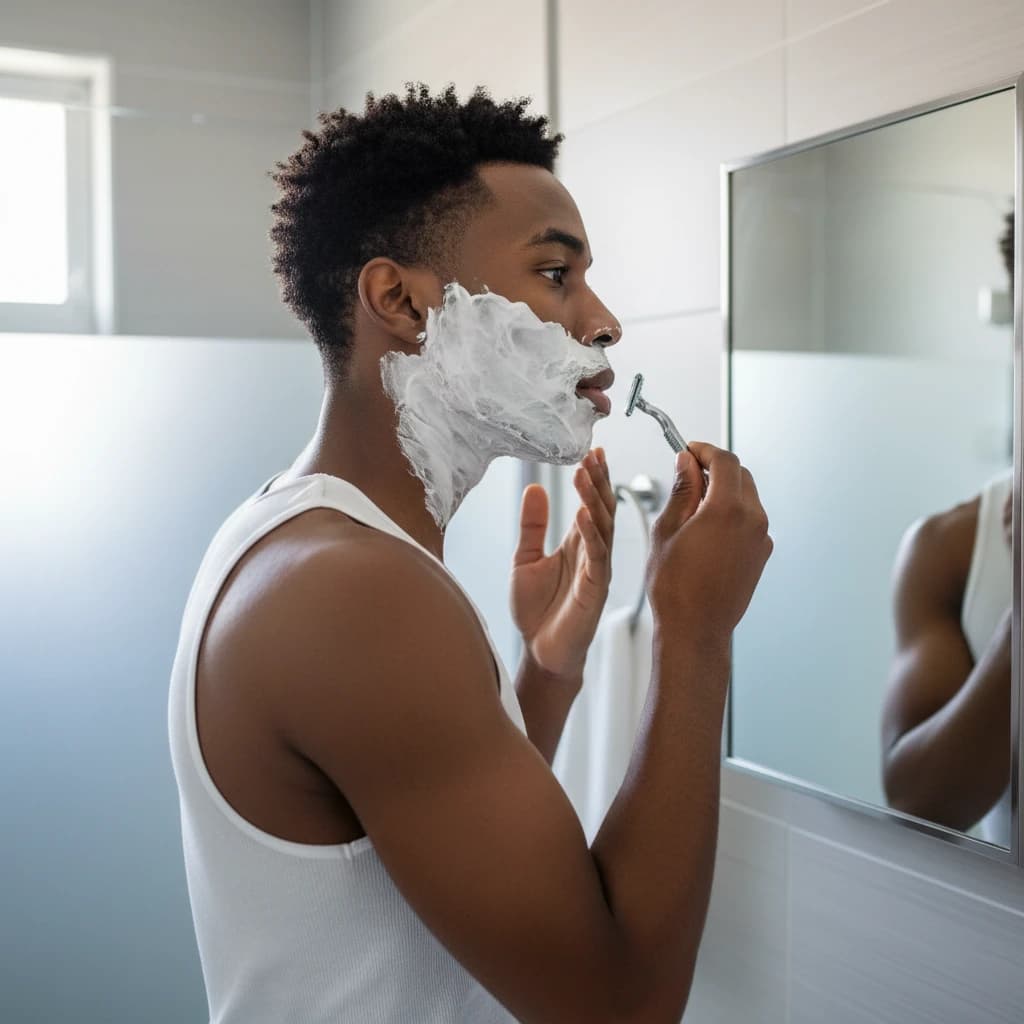
Razor bumps, medically known as pseudofolliculitis barbae, typically present as small, inflamed bumps on the skin after shaving2 . They most commonly affect the beard area in men, including the neck, jaw, cheeks, and chin, but can also appear on any shaved area such as the armpits, genital regions, and legs2 45. The bumps vary in number from a few to many and usually measure 2 to 5 millimeters in size2 .
These bumps may be skin-colored, red, or darker than the surrounding skin, especially in individuals with darker skin tones2 1. Razor bumps often feel firm to the touch and may be accompanied by itching or tenderness1 . In some cases, an ingrown hair can be seen beneath the skin surface within the bump2 . Razor bumps typically develop shortly after shaving but can continue to appear for a day or two afterward2 . Without treatment, they may persist for several days to weeks2 .
Additional symptoms include papules (small raised bumps) and pustules (pus-filled bumps), which can resemble acne1 . The affected skin may also show post-inflammatory hyperpigmentation, where the skin darkens after the inflammation subsides2 .
Razor Bump Causes
Razor bumps are primarily caused by ingrown hairs, which occur when shaved hairs curl back and grow into the skin instead of outward2 . This ingrowth triggers an inflammatory response as the body perceives the hair as a foreign object, leading to redness, swelling, and irritation6 1. Curly or coarse hair is more prone to this problem because it tends to bend back into the skin more easily2 5.
Genetic and environmental factors contribute to the risk of developing razor bumps. They are more common in people of African, Hispanic, and Middle Eastern descent due to hair texture and skin characteristics2 51. Men are more frequently affected because of regular shaving habits, especially daily shaving2 5. Shaving too closely or using improper shaving techniques increases the likelihood of hairs becoming ingrown3 7.
Other contributing factors include shaving against the direction of hair growth, using dull or multiple-blade razors, and shaving dry skin without adequate lubrication7 8. Dead skin buildup can also block hair follicles, forcing hairs to grow sideways under the skin7 .
Razor bumps are more common in darker skin types, and in people who have thick, coarse, and curly hair9 .
Potential Complications
If left untreated, razor bumps can lead to several complications that affect both skin health and appearance. Persistent inflammation may cause post-inflammatory hyperpigmentation, resulting in darker patches of skin where the bumps occurred2 1. In some cases, keloid scarring develops, characterized by thick, raised scars that can be cosmetically concerning2 .
Secondary bacterial infections are another risk, especially if the bumps are scratched or picked at. Infection can cause pus formation, increased pain, and swelling2 1. Chronic razor bumps may also lead to psychological distress and reduced self-esteem due to their visible nature and discomfort2 .
Long-term complications include permanent skin changes such as deep grooves or raised scars, especially in individuals with darker skin tones10 . These changes emphasize the importance of early and effective management.
Home Remedies for Razor Bumps
Stop Shaving
One of the most effective home remedies for razor bumps is to stop shaving temporarily to allow the skin to heal2 3. The American Academy of Dermatology Association (AADA) recommends avoiding shaving for a period, as most razor bumps resolve within a month, with the remainder clearing within three months2 . This break reduces irritation and prevents new bumps from forming.
Change Your Shaving Routine
If shaving must continue, modifying the shaving routine can help reduce razor bumps:
- Shave less frequently to give skin time to recover2 11.
- Always shave in the direction of hair growth to minimize irritation and ingrown hairs2 39.
- Use a sharp, single-blade razor or an electric razor on a high setting to avoid cutting hair too closely2 67.
- Apply a moisturizing shaving cream or gel and shave when hair is wet, such as after a warm shower or with a warm compress, to soften hair and skin2 37.
- Avoid stretching or pulling the skin while shaving and use short, gentle strokes10 .
- Replace razors every 5 to 7 uses to maintain sharpness and reduce bacterial buildup2 8.
- After shaving, apply cold compresses and soothing aftershaves to calm inflammation2 7.
Try Chemical Hair Removers
Chemical hair removers can be an alternative to shaving for some individuals. These products dissolve hair just below the skin surface without cutting, which may reduce the risk of ingrown hairs and razor bumps12 . However, it is important to choose formulas suitable for sensitive skin and to test for allergic reactions before regular use12 .
Medical Treatments for Razor Bumps
For persistent or severe razor bumps, professional medical treatments may be necessary. Dermatologists can prescribe topical corticosteroids to reduce inflammation, typically applied once or twice daily for three to four weeks2 . Both over-the-counter and prescription-strength corticosteroids are available2 .
"Vaseline helps keep the skin hydrated, which is essential for healing and preventing further irritation."
— Carley Jamison, PureMD9
Oral antibiotics, such as tetracyclines (e.g., doxycycline), are recommended for more serious or infected cases to control bacterial growth and inflammation2 3. In cases of large or inflamed bumps, steroid injections like triamcinolone acetonide may be used to reduce swelling and scarring2 .
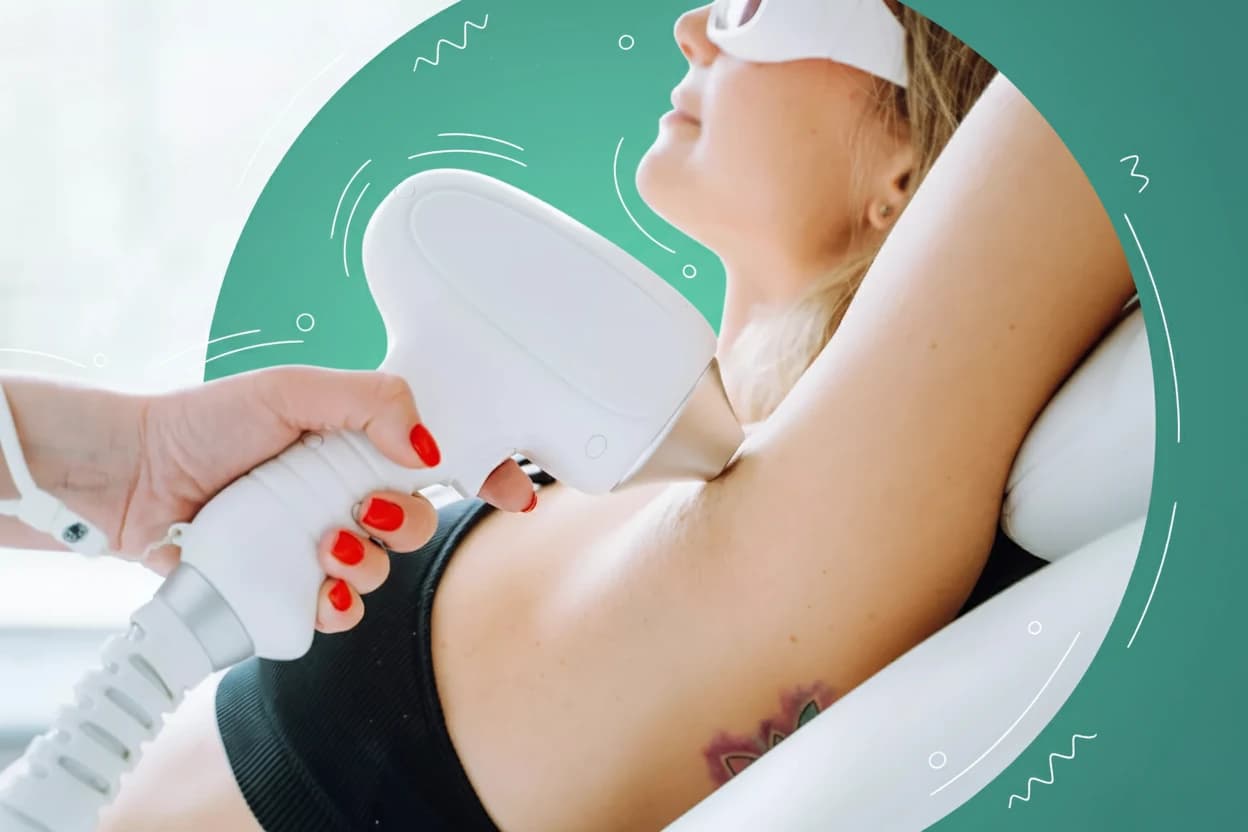
Laser hair removal is a safe and effective long-term option to manage razor bumps by reducing hair growth and preventing ingrown hairs2 19. Common lasers used include Diode and Nd:YAG lasers, which target hair follicles to minimize regrowth6 .
Additional treatments include topical retinoids, salicylic acid, or glycolic acid products that exfoliate the skin and reduce hair curvature, helping hairs grow outward rather than inward3 18.
"If you shave in many different directions, you increase the chances of razor bumps, irritation, and even ingrown hairs. It is best to shave in the direction your hair grows."
— Dr. Dendy Engelman, New York City9
Preventing Razor Bumps
Prevention focuses on adopting gentle shaving techniques and maintaining healthy skin:
- Shave less frequently or allow hair to grow longer to reduce irritation2 1110.
- Always shave in the direction of hair growth to minimize hair curling back into the skin2 119.
- Use a sharp razor and replace it regularly to avoid dull blades that tug at hair and skin2 7.
- Shave after a warm shower or apply a warm compress to soften hair and open pores2 3.
- Use a gentle cleanser before shaving to remove dead skin cells and reduce clogged pores2 38.
- Apply moisturizing shaving cream or gel to lubricate the skin and hair2 37.
- After shaving, soothe skin with cold compresses and alcohol-free, fragrance-free moisturizers or aftershaves2 7.
- Regular exfoliation helps remove dead skin cells and prevents hairs from becoming trapped1 8.
- Avoid tight clothing that can irritate freshly shaved skin and worsen razor bumps13 .
💡 Did You Know?
Razor bumps can occur not only from shaving but also from waxing or tweezing, as any temporary hair removal that cuts or pulls hair can cause hairs to curl back into the skin and trigger inflammation6 .
When to Seek Medical Care
Most razor bumps improve with home care and preventive measures. However, medical attention is advised if:
- Razor bumps persist for several weeks despite home treatment2 .
- Signs of infection develop, such as increased pain, pus, swelling, or warmth2 1.
- Scarring, keloids, or significant hyperpigmentation occur2 .
- Psychological distress or self-esteem issues arise due to the appearance of razor bumps2 .
- You experience frequent recurrences that interfere with daily life2 .
A dermatologist can evaluate the condition, review shaving habits, and recommend appropriate treatments, including prescription medications or laser therapy2 13.
Summary
- Razor bumps are inflamed, often itchy bumps caused by ingrown hairs after shaving, especially common in people with curly or coarse hair2 1.
- They typically appear shortly after shaving and can last from days to weeks2 .
- Prevention involves gentle shaving techniques, proper skin care, and reducing shaving frequency2 11.
- Home remedies such as stopping shaving temporarily and using soothing products can help most cases resolve2 3.
- Persistent or severe cases may require medical treatments including topical steroids, antibiotics, steroid injections, or laser hair removal2 .
- Early management is important to prevent complications like scarring, hyperpigmentation, and infection2 .